

What Are Art Lofts in Chicago — and Where Can You Find Them?
Art lofts in Chicago are live/work spaces that blend residential living with creative workspace — typically inside converted industrial or historic buildings. These spaces offer open layouts, high ceilings, and industrial character that appeal to artists, designers, and digital creators.
Chicago's creative housing scene runs deep. The city has a long history of repurposing industrial buildings — warehouses, factories, and historic commercial structures — into spaces where residents can both live and make their work. The result is a diverse mix of dedicated creative developments, independent studio buildings, and loft-style apartments scattered across neighborhoods like Pilsen, Logan Square, and Avondale.
For many creatives, modern loft-style apartments deliver the ideal combination of open layouts, high ceilings, and industrial character. These spaces provide the flexibility needed for creative pursuits alongside the comfort of contemporary residential living.
This guide breaks down everything worth knowing about Chicago's artist space options, so finding the right fit is straightforward.
Defining the Modern Art Lofts Chicago Creative Scene

The concept of the Artist Loft Chicago Il has evolved significantly from its mid-century origins. Originally, these spaces were drafty, industrial warehouses occupied by painters and sculptors who required massive, uninterrupted floor plates to execute large-scale projects. Today, the modern creative scene encompasses structured, beautifully designed spaces that cater to a wide variety of creative disciplines.
Traditional apartments are built with distinct, compartmentalized rooms that separate daily living activities. In contrast, Live Work Lofts prioritize open-concept layouts. This lack of dividing walls allows residents to customize their floor plans according to their exact workspace needs. Whether the resident is a photographer setting up a studio backdrop, a fashion designer laying out cutting tables, or a digital creator needing a clean backdrop for video production, the spatial flexibility of a loft is unmatched.
Architectural Features of Art Lofts Chicago Spaces
True loft spaces are defined by their structural history. In Chicago, these buildings typically date back to the late 19th and early 20th centuries, a period when the city served as a major manufacturing and transit hub. The resulting architecture offers several distinct features:
- High Ceilings: Often reaching heights of 10 to 18 feet, timber-framed or concrete ceilings provide a sense of volume that traditional residential construction cannot replicate. To explore these structural benefits further, view the guide on Lofts With High Ceilings.
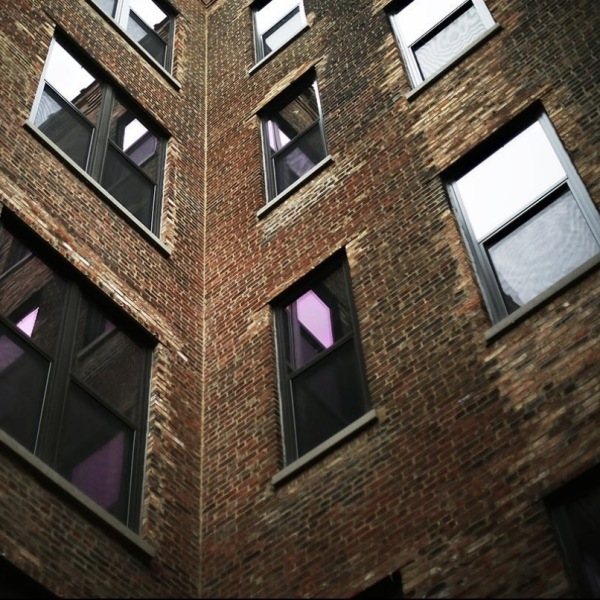
- Exposed Brick and Timber Beams: Original structural elements are often left exposed, providing a rich, textured backdrop that adds warmth and historical character to the space. For more details on these finishes, check out the Ultimate Brick Loft Apartments Guide.
- Large Windows and Natural Light: Industrial factories required maximum daylight for workers, resulting in massive multi-pane windows that flood modern residential units with natural light—an essential element for visual artists.
- Concrete or Hardwood Floors: Durable, heavy-duty flooring that can withstand heavy machinery, paint spills, or sculpture materials is a hallmark of an authentic Industrial Loft.
Community and Collaboration in Art Lofts Chicago Developments
Beyond the physical architecture, dedicated Art Lofts are designed to foster organic interaction. Unlike standard multi-family buildings where residents rarely interact, creative loft communities often integrate shared resources that encourage collaboration.
Dedicated creative loft developments are often built with community at their core. Many of these buildings incorporate shared exhibition spaces, galleries, and central courtyards where residents can gather, showcase their work, and host public events. This shared environment transforms a simple residential building into a self-sustaining creative ecosystem, allowing painters, musicians, and digital designers to share ideas, tools, and inspiration.
Historic Preservation vs. Modern Creative Spaces

When searching for creative spaces in Chicago, residents typically choose between two primary paths: renting a space in a historically preserved, adaptively reused industrial building, or choosing a modern loft-style apartment that mirrors those historic aesthetics while providing contemporary conveniences.
Adaptive reuse involves taking a building designed for one purpose—such as a former school or telephone switching station—and converting it into residential spaces. This preservation process maintains the structural integrity and historical soul of the building but can sometimes present challenges in terms of modern energy efficiency, climate control, and acoustic insulation.
On the other hand, Modern Lofts Chicago options are constructed to provide the best of both worlds. They incorporate the high ceilings, large windows, and open layouts of historic buildings while integrating energy-efficient HVAC systems, high-speed fiber internet, modern kitchens, and premium building amenities. For a deeper dive into these structures, consult the Ultimate Warehouse Lofts Guide 2026.
Below is a comparison highlighting how these two styles of spaces function for modern residents:
| Feature | Historic Timber Lofts | Modern Loft-Style Apartments |
|---|---|---|
| Primary Structure | Original heavy timber, load-bearing brick, historic ironwork | Reinforced concrete, steel frames, engineered wood |
| Acoustics | Sound can travel through older timber floors and ceilings | Advanced soundproofing and modern insulation between units |
| Climate Control | Radiator heat, window AC units, or retrofitted ductwork | Individually controlled, energy-efficient central heating and cooling |
| Amenities | Often limited to basic laundry rooms and shared storage | Rooftop decks, fitness centers, secure package rooms, and bike storage |
| Layout Flexibility | Highly open, sometimes requiring creative zoning with furniture | Structured open layouts with modern closets and designated utility areas |
Top Neighborhood Hubs for Chicago Creatives
Chicago's geography is dotted with neighborhoods that have long served as magnets for creative professionals. Each area offers a distinct cultural landscape, transit access, and architectural style.
- Pilsen: Historically recognized as a major center for art, murals, and community activism, Pilsen is one of the city's premier cultural hubs. The neighborhood is famous for its monthly 2nd Fridays Gallery Night, where local galleries and artist studios open their doors to the public. For those looking to live in the heart of this creative community, Pilsen Chicago Apartments offer immediate proximity to local coffee shops, independent music venues, and public murals. To explore the local rental market, view the options for Lofts In Pilsen Chicago.
- Logan Square: Known for its historic boulevards and active creative community, Logan Square is home to various loft offices, flex spaces, and creative hubs along the 606 Trail. These spaces have hosted independent creative businesses for over 15 years, offering flexible layouts directly adjacent to the trail.
- Avondale: Recognized by Time Out as one of the coolest neighborhoods in the world, Avondale hosts dedicated creative facilities and music studios. These facilities offer dedicated monthly rentals for painters, sculptors, and musicians, supporting long-term creative work.
- River West: Positioned just northwest of downtown, River West offers historic industrial buildings converted into spacious residential lofts, providing straightforward access to both the Loop and the creative communities of the West Town area. Learn more by reading the River West Lofts guide.
Creative Spaces in Historic Districts
In historic districts like Bridgeport and Pilsen, the physical buildings themselves are central to the neighborhood's identity. Massive former industrial buildings featuring timber construction often host curated art galleries, ceramic centers, and fashion design centers.
With studio spaces ranging from 250 to 5,000 square feet, these structures serve as multi-disciplinary creative homes. Public events like open studio nights allow the public to explore the spaces and interact directly with painters, sculptors, and woodworkers, anchoring the neighborhood's creative economy.
Frequently Asked Questions About Chicago Artist Spaces
What is the difference between a live/work loft and a traditional apartment?
A live/work Loft Apartment is specifically zoned and structurally designed to accommodate both residential living and professional commercial or creative activities. Traditional apartments are zoned strictly for residential use and often feature layouts with multiple walls and small rooms that restrict large-scale creative projects. Live/work spaces feature wide-open floor plans, industrial-grade utility systems, and durable flooring that can withstand creative production.
How do historic developments balance preservation with modern amenities?
Developers achieve this balance through adaptive reuse strategies that preserve the building's historic envelope—such as exterior masonry, timber beams, and original windows—while completely rebuilding the interior infrastructure. According to the Unique Apartments Chicago Guide 2026, this approach allows properties to offer the vintage charm of exposed brick alongside modern necessities like high-efficiency electric appliances, smart home integrations, and contemporary bathroom fixtures.
What are the typical sizes and layouts of creative lofts in Chicago?
Sizes vary widely depending on the building's original industrial purpose. Work-only studios generally range from small spaces (250 to 500 square feet) to expansive workshop environments exceeding 1,000 square feet. Residential and live/work lofts typically feature open studio layouts, one-bedroom, or multi-bedroom configurations that prioritize flexible, open floor plates. For more information on configuring these spaces, refer to the Loft Studio Apartments Rental Guide.
Conclusion
For those seeking the perfect balance of historic loft character and modern residential convenience, The Otis Apartments by FLATS offers an exceptional living experience. Located in Chicago's culturally rich Pilsen neighborhood, these modern one- to three-bedroom rentals feature open-concept layouts, high ceilings, and premium finishes that cater perfectly to creative lifestyles.
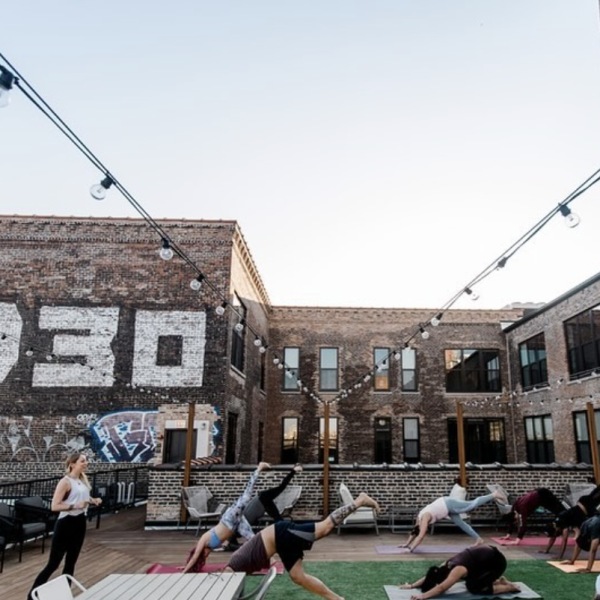
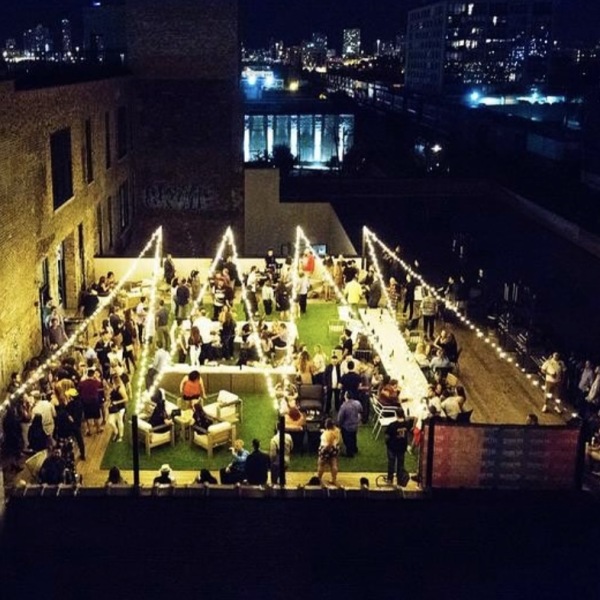
Residents at The Otis Apartments enjoy top-tier community amenities, including a fully equipped gym, a rooftop deck with panoramic views of the Chicago skyline, and close proximity to the neighborhood's famous galleries, cafes, and public art installations. It stands out as a premier choice for those looking to immerse themselves in Pilsen's unique local culture without sacrificing modern comforts.
To explore how these contemporary living spaces can elevate your daily routine, check out the Artist Loft Chicago Ultimate Guide and find your next home in the heart of Chicago's creative community.