

The Complete Guide to Warehouse Lofts for Rent in 2026
Warehouse lofts for rent are some of the most sought-after apartments in urban markets right now — and it's easy to see why. These converted industrial spaces offer soaring ceilings, exposed brick, and open floor plans that standard apartments simply can't match.
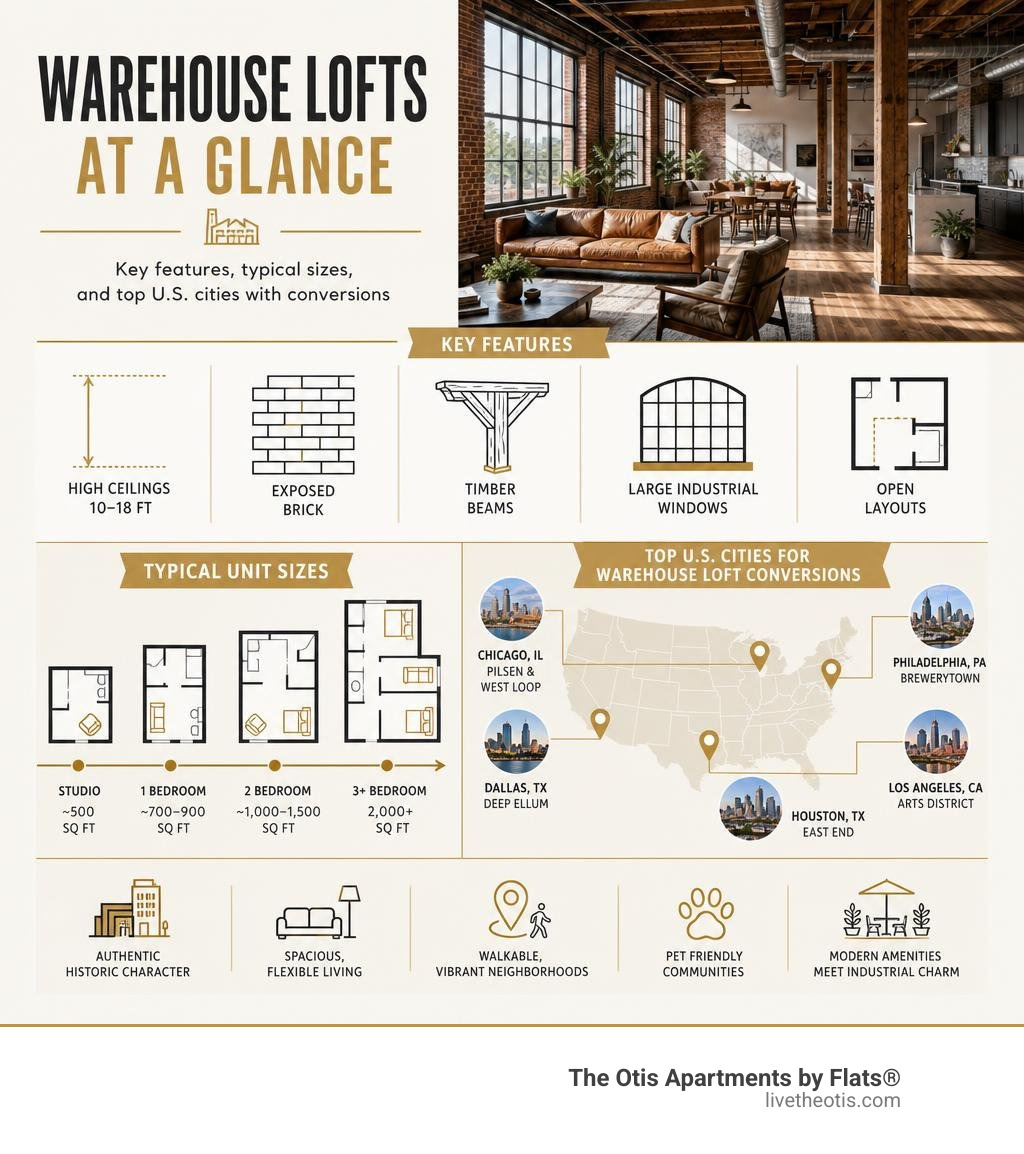
Here's a quick snapshot of what to expect when searching for a warehouse loft:
- What they are: Residential units converted from former factories, warehouses, and industrial buildings
- Key features: High ceilings (10–18 ft), exposed brick, timber beams, large industrial windows, open layouts
- Where to find them: Historic urban neighborhoods like Chicago's Pilsen and West Loop, Houston's East End, Philadelphia's Brewerytown, Dallas's Deep Ellum, and Los Angeles's Arts District
- Unit sizes: Typically range from studios (~500 sq ft) up to large multi-bedroom units exceeding 2,000 sq ft
- Who they suit: Those who want character-rich, flexible living spaces in walkable, culturally vibrant neighborhoods
- Pet policies: Many warehouse loft communities welcome pets, often with designated dog parks and pet wash stations
Warehouse loft living blends the raw character of industrial architecture with the comfort of modern amenities. A building constructed in 1922 might now have in-unit laundry, a rooftop deck, and EV charging — all while keeping its original brick walls and heavy timber beams intact.
That combination of authentic history and contemporary convenience is what makes these spaces so compelling for city dwellers who want more than a generic apartment box.
What Are Warehouse Lofts for Rent?
A warehouse loft is a residential apartment created through the adaptive reuse of a former industrial building, factory, or manufacturing facility. These spaces are defined by their structural authenticity, showcasing the raw materials used in early 20th-century construction rather than hiding them behind drywall.
When searching for an industrial loft, renters will typically encounter three distinct categories:
- Hard Lofts: These are authentic industrial conversions. They feature original structural elements such as exposed brick walls, raw concrete or timber ceilings, support pillars, and large multi-paned factory windows. They represent the true history of the building.
- Timber Lofts: A subset of hard lofts, timber lofts are characterized by massive, exposed heavy wood beams and original hardwood flooring. They offer a warmer, more rustic aesthetic than concrete-heavy spaces.
- Soft Lofts: These are newer residential constructions designed to mimic the loft aesthetic. While they feature high ceilings and open layouts, they are built with modern materials, offering superior acoustic insulation and energy efficiency, though they lack the historic origin of a true conversion.
The history of these spaces dates back to the mid-20th century when artists began occupying vacant industrial buildings as live-work studios. Over the decades, these spaces transitioned from bohemian work studios into highly desirable, upscale residential properties.
The Appeal of Warehouse Lofts for Rent in Major Cities
In major urban centers, warehouse lofts represent a connection to local history and architectural preservation. In Chicago, neighborhoods with a rich manufacturing and printing heritage have become the premier destinations for finding these unique homes.
For those looking at loft apartments for rent, areas like Pilsen, River West, Lincoln Park, and Lakeview offer distinct opportunities. Pilsen, in particular, has seen a beautiful evolution, converting former manufacturing hubs—such as historic elevator factories—into vibrant residential communities.
Prospective tenants can explore local listings through specialized platforms like loft apartments for rent in Lincoln Park, Chicago or browse curated inventories on loft apartments for rent in Chicago via Domu to find historic conversions that match their lifestyle.
How Warehouse Lofts Differ from Traditional Apartments
The architectural differences between warehouse lofts and traditional apartments are substantial. Traditional apartments prioritize compartmentalized rooms and uniform finishes, whereas warehouse lofts focus on volume, light, and structural character.
| Feature | Warehouse Lofts | Traditional Apartments |
|---|---|---|
| Ceiling Height | Typically 10 to 18 feet | Standard 8 to 9 feet |
| Floor Plans | Open-concept, highly customizable layouts | Defined, separate rooms with fixed walls |
| Wall Structures | Exposed brick, concrete, or heavy timber | Painted drywall and plaster |
| Window Sizes | Oversized, multi-paned industrial sash windows | Standard residential double-hung windows |
| Flooring Materials | Polished concrete or original structural hardwood | Carpet, vinyl plank, or standard laminate |
| Acoustics & Privacy | Open spaces with sound carrying across areas | Standard partition walls isolating sound |
Key Features and Amenities of Industrial Loft Living
The enduring popularity of warehouse lofts stems from their distinct design elements. Living in a converted warehouse means enjoying architectural details that cannot be replicated in standard modern construction.
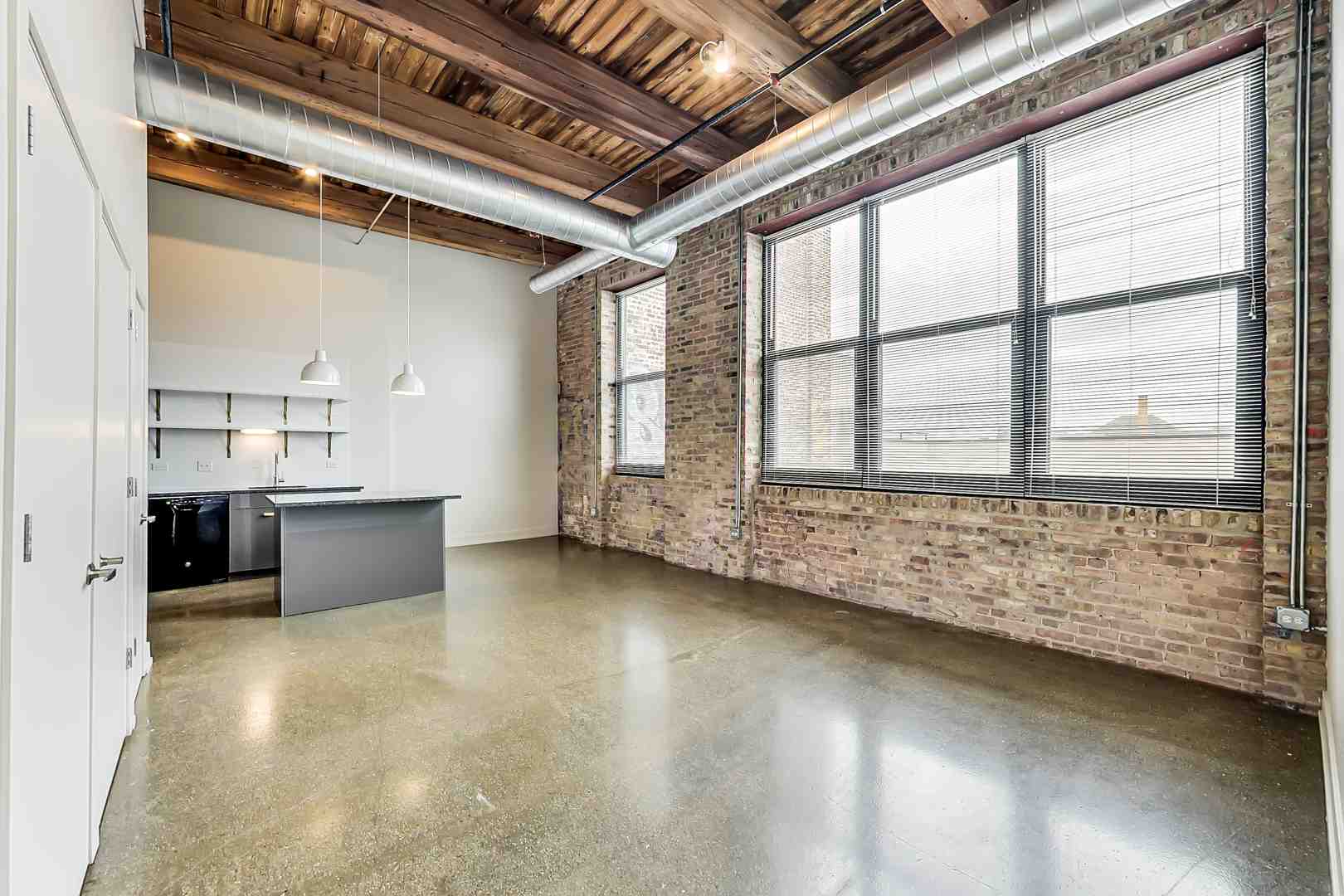
- Exposed Brick Walls: Original masonry provides natural texture, warmth, and a historic color palette that serves as a stunning backdrop for modern furniture.
- Timber Beams and Concrete Columns: Heavy structural supports—whether weathered wood or industrial-grade concrete—are left exposed, creating visual interest and dividing open spaces naturally.
- Industrial Windows: Towering, metal-framed windows flood the interior with natural light, often showcasing dramatic urban views.
- Soaring Ceilings: Having lofts with high ceilings changes the entire feel of a home, making even modest square footage feel grand and airy.
Modern Conveniences in Historic Spaces
While the structural bones of a warehouse loft are historic, the interior living spaces are designed for 2026 standards. Developers of adaptive reuse projects carefully integrate high-end residential finishes without disrupting the industrial charm.
According to the loft space for rent ultimate guide, premier conversions feature modern kitchens equipped with stainless steel appliances, stone countertops, and custom cabinetry. Smart home technology, keyless entry systems, and individual climate control zones are seamlessly woven into the layouts.
Additionally, residents of historic buildings often enjoy access to community amenities that rival new high-rises. These typically include:
- Fully equipped fitness centers and yoga studios
- Expansive rooftop decks with lounge seating, grilling stations, and skyline views
- Secure package rooms and Amazon lockers
- Dedicated co-working spaces with high-speed internet for remote professionals
Pet Policies and Community Spaces
Warehouse lofts are highly popular among pet owners, thanks to their durable flooring materials like polished concrete, which resist scratches and are easy to clean. Many converted buildings offer dedicated pet amenities, such as on-site pet washrooms and enclosed rooftop dog runs.
When searching for Chicago warehouse lofts for rent, it is important to review specific community guidelines. Most upscale properties maintain a strict two-pet limit per apartment to ensure a comfortable living environment for all residents.
Community events, such as seasonal gatherings on the rooftop deck or local art galleries hosted in the lobby, are also common, fostering a strong sense of connection among neighbors.
Historic Conversions vs. New Warehouse-Style Buildings
When browsing the rental market, tenants must choose between authentic historic conversions (hard lofts) and newly constructed buildings designed with an industrial aesthetic (soft lofts). Both options offer distinct benefits depending on a renter's priorities.

For a deeper dive into the architectural history of these structures, the industrial lofts guide 2026 outlines how early manufacturing hubs were engineered with heavy timber and load-bearing masonry, providing the solid foundation that makes modern conversions possible.
Authentic Hard Lofts
Authentic hard lofts offer unmatched character and historical significance. Living in a converted 1920s warehouse means walking on original hardwood floors that bear the character marks of their industrial past, or living alongside cast-iron columns that once supported heavy machinery.
To explore options that preserve these structural elements, renters can explore loft apartments that highlight adaptive reuse. The primary benefit of a hard loft is its individuality; because of the building's original layout, no two units are exactly alike.
However, renters should be prepared for minor quirks, such as exposed utility pipes, minimal built-in closet space, and less sound insulation between units due to the historic nature of the building's shell.
Modern Soft Lofts
For those who love the loft aesthetic but prioritize modern comfort, soft lofts are an excellent alternative. These buildings are newly constructed to feature high ceilings, large windows, and open layouts, but they utilize modern building techniques.
Soft lofts offer superior acoustic insulation between floors and walls, energy-efficient double-paned windows, and highly functional layouts with ample built-in storage. They also feature uniform finishes and predictable floor plans, making them a practical choice for residents who want the look of a warehouse loft with the conveniences of new construction.
What to Look for When Touring Warehouse Lofts
Touring a warehouse loft requires a different approach than evaluating a standard apartment. Because these spaces are unique conversions, there are specific factors to assess during an in-person visit.
- Natural Light Distribution: Because lofts are deep and often have fewer interior walls, observe how far natural light penetrates into the living space, particularly in designated sleeping areas.
- Storage and Closets: Open floor plans often mean fewer built-in closets. Look for dedicated storage alcoves or assess where wardrobes and shelving units can be placed.
- Acoustics and Sound Transmission: Concrete floors help minimize vertical sound travel, but high ceilings can create echoes. Check the thickness of partition walls and ask about the building's acoustic design.
- Window Functionality: Ensure the historic-style windows open easily for ventilation and feature proper seals to prevent drafts.
For those interested in downtown living, reviewing the loft apartments downtown Chicago guide can help identify the best neighborhoods and property types to target during a search.
How to Find and Lease Warehouse Lofts for Rent
Finding the perfect warehouse loft requires using specific search strategies. Standard apartment search engines may not always categorize these properties correctly, so utilizing targeted keywords and specialized local platforms is key.
- Use Targeted Search Filters: When searching online, use keywords such as "timber loft," "industrial," "exposed brick," or "warehouse conversion" to bypass standard apartment complexes.
- Explore Specialized Platforms: Websites like Zillow's Chicago loft apartments listings or dedicated local databases offer direct paths to authentic conversions.
- Work with a Local Leasing Agent: Local leasing agents often have access to off-market listings or upcoming conversions in historic neighborhoods.
- Prepare Your Documentation: Because unique loft spaces are highly competitive, have your proof of income, identification, and rental history ready to submit immediately after a tour.
To find premium loft spaces, renters can explore historic neighborhoods that showcase the high standards of industrial conversions in the area.
To cast a wide net across the city, browsing lofts Chicago for rent or reviewing warehouse apartments for rent Chicago will provide a comprehensive view of available inventory. Additionally, those seeking creative live-work environments can explore commercial loft space for rent Chicago to find spaces suited for both business and residential use.
Frequently Asked Questions About Warehouse Lofts
Are warehouse lofts typically pet-friendly?
Yes, most modern warehouse loft conversions are highly pet-friendly. Concrete floors are incredibly durable, making them ideal for residents with pets. Many communities offer dedicated pet amenities, including pet washing stations, rooftop dog runs, and nearby green spaces. It is standard for these properties to have a clear two-pet limit per apartment, with specific guidelines regarding pet registration.
How is climate control managed in converted warehouses?
Temperature regulation in warehouse lofts can vary based on the type of conversion. Hard lofts with soaring ceilings and large historic windows require robust systems to heat and cool the expansive space. Modern conversions address this by installing high-efficiency HVAC systems, smart thermostats, and advanced window glazes to maintain a comfortable environment. Soft lofts, built with modern materials, typically offer excellent insulation and consistent climate control year-round.
What parking options are available for loft residents?
Parking options depend on the building's location and design. Many converted warehouses feature attached heated garage parking, while others partner with nearby parking structures to offer dedicated spaces. Given their central locations in highly walkable neighborhoods, warehouse lofts are also exceptionally well-served by public transportation, bike-sharing networks, and dedicated EV charging stations within the community.
Conclusion
Warehouse lofts for rent offer an unparalleled living experience, blending historic architectural character with the comfort of modern design. From exposed brick walls and timber ceilings to expansive rooftop decks and state-of-the-art fitness centers, these spaces cater to those who appreciate thoughtful design and urban culture.
For renters seeking premium loft living in Chicago, The Otis Apartments offers an exceptional residential experience. Located in the heart of the vibrant Pilsen neighborhood, this community features modern one- to three-bedroom layouts designed with the style, convenience, and historic connection that define the FLATS brand. Residents enjoy top-tier community amenities, including a stunning rooftop deck with skyline views, a fully equipped gym, and easy access to Pilsen's renowned artistic and cultural scene.
To find your perfect home and experience the best of urban loft living, explore loft apartments at The Otis Apartments today.