

Why Loft Spaces Appeal to Urban Renters
Loft space for rent offers a distinctive living experience that blends industrial heritage with modern convenience. These converted factory and warehouse spaces feature open floor plans, high ceilings, and architectural elements that standard apartments simply can't match.
Quick Guide to Finding Your First Loft:
- What they are: Converted industrial buildings with open layouts, typically 10+ foot ceilings, exposed brick or beams, and large windows
- Best locations: West Loop, River West, and Pilsen in Chicago offer abundant loft options
- Typical sizes: Studios under 800 sq ft to multi-bedroom units exceeding 1,500 sq ft
- Key features: Natural light, flexible layouts, minimal interior walls, industrial aesthetics
- Uses: Residential living, creative studios, work-from-home setups, or event spaces
- What to expect: Higher ceilings mean more heating/cooling costs, but unmatched character and space
Loft living has evolved from its roots in New York's SoHo district during the 1970s, when artists first converted abandoned industrial buildings into living spaces. Today, cities like Chicago have embraced this trend through adaptive reuse—transforming historic structures into modern residences while preserving their architectural DNA.
The appeal extends beyond aesthetics. Open floor plans provide versatility for living, working, and entertaining. High ceilings create an airy atmosphere. Large factory windows flood interiors with natural light. These features combine to deliver a lifestyle that traditional apartments struggle to replicate.
Whether seeking a residential home, a creative workspace, or a flexible live-work arrangement, understanding the fundamentals of loft rentals helps beginners navigate this unique segment of the housing market.
Understanding the Appeal of a Loft Space for Rent
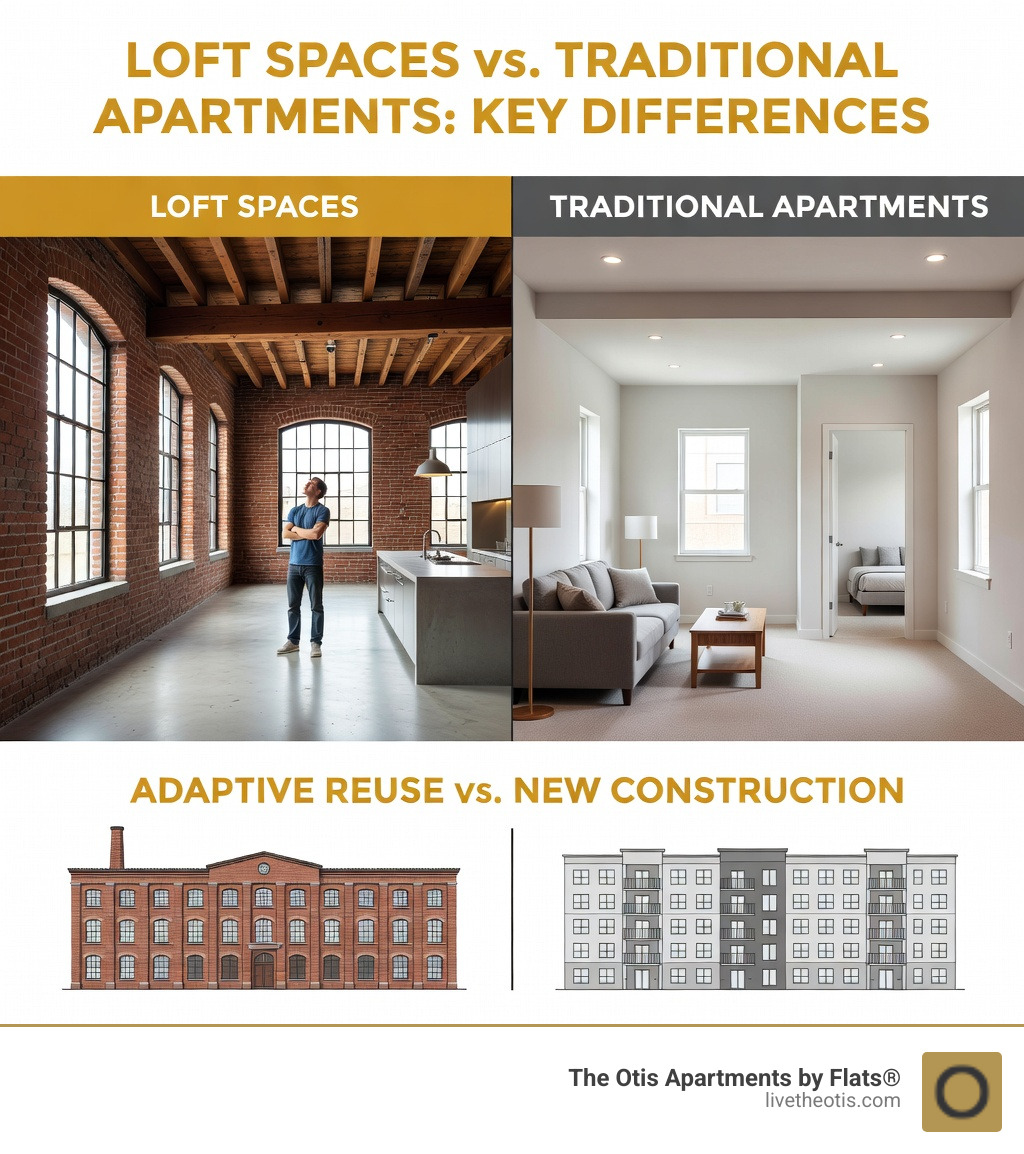
The enduring popularity of a loft space for rent stems from the inherent character of the buildings themselves. Unlike standard residential construction, lofts are often housed in former manufacturing plants, textile mills, or warehouses. This industrial origin provides a structural "honesty" that many modern renters find compelling. The presence of original timber beams, exposed ductwork, and polished concrete floors serves as a reminder of the building’s history while providing a neutral, sophisticated backdrop for contemporary decor.
One of the primary draws is the flexibility of the layout. Traditional apartments are divided into specific rooms with fixed purposes, but a loft offers a "blank canvas" approach. This allows residents to define their own spaces using furniture, area rugs, or shelving units rather than permanent walls. This adaptability is particularly beneficial for those who require a home office, an art studio, or a large area for entertaining.

Furthermore, the verticality of these spaces cannot be overstated. With Lofts with High Ceilings, the perceived square footage of a unit increases significantly. A 1,000-square-foot loft with 12-foot ceilings feels substantially larger and more breathable than a traditional apartment of the same size with standard 8-foot ceilings. This extra height also allows for creative storage solutions and the potential for mezzanine levels.
Key Features of Modern Loft Rentals
Modern loft rentals have evolved to include high-end finishes that complement their rugged industrial bones. While the "hard loft" aesthetic remains popular, contemporary conversions often integrate luxury elements to enhance daily comfort.
- Large Windows: Perhaps the most iconic feature, oversized factory windows are a staple. These often span from floor to ceiling, flooding the space with natural light and offering expansive views of the Chicago skyline or neighborhood streetscapes.
- Minimalist Design: Modern lofts often lean into a minimalist aesthetic, utilizing clean lines and a restricted color palette to emphasize the architectural details of the building.
- Smart-Home Technology: Despite the age of the buildings, many lofts for rent in Chicago now feature integrated technology. This includes keyless entry systems, smart thermostats that help manage the energy needs of high-ceilinged spaces, and high-speed fiber optic internet.
- Sustainable Materials: Adaptive reuse is inherently sustainable, as it breathes new life into existing structures. Many modern lofts further this commitment by using reclaimed wood for flooring or energy-efficient lighting fixtures.
- Premium Finishes: It is common to find quartz or granite countertops, stainless steel appliances, and spa-inspired bathrooms within these industrial shells. This juxtaposition of "raw and refined" is a hallmark of the FLATS brand.
Top Neighborhoods for Loft Living in Chicago
Chicago is a premier destination for those seeking a loft space for rent, thanks to its rich industrial history. Several neighborhoods stand out for their concentration of high-quality loft conversions and vibrant local cultures.
The West Loop is perhaps the most famous area for loft living. Once the city's meatpacking district, it has transformed into a culinary and tech hub. The warehouses here have been meticulously converted into luxury residences, often steps away from world-class dining on Randolph Street.
River West offers a slightly more residential feel while maintaining excellent proximity to downtown. It features a mix of historic timber lofts and modern developments, making it a popular choice for professionals who want a quick commute via the Blue Line.
Pilsen has emerged as a cultural cornerstone for loft dwellers. Known for its deep artistic roots and the Chicago Arts District, Pilsen offers authentic industrial lofts that appeal to the creative community. The neighborhood is characterized by vibrant murals, independent galleries, and a strong sense of local heritage. Residents in Pilsen benefit from a high Walk Score and proximity to the CTA Pink Line, which provides direct access to the Loop.
For those interested in exploring the broader market, Chicago Loft Rentals provide a gateway to these diverse neighborhoods, each offering a unique take on the urban loft experience.
Finding a Loft Space for Rent in Chicago
Navigating the Chicago loft market requires an understanding of both the building types and the neighborhood amenities. When searching for a loft space for rent, it is important to consider more than just the unit itself.
- Neighborhood Highlights: Each area has a distinct personality. For instance, the Chicago Arts District in Pilsen hosts "2nd Fridays Gallery Night," allowing residents to engage directly with local artists.
- Local Amenities: Look for proximity to grocery stores, parks, and fitness centers. Neighborhoods like Pilsen offer unique attractions like Harrison Park and the National Museum of Mexican Art.
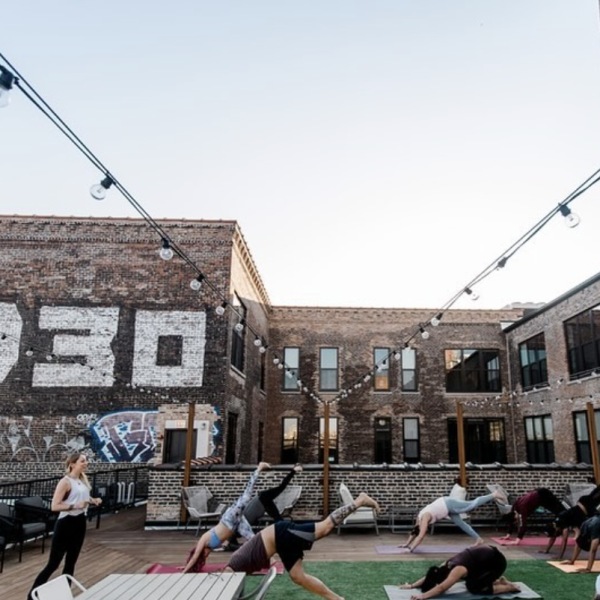
- Community Features: Many loft buildings foster a sense of community through shared spaces. Rooftop decks are a highly sought-after amenity in Chicago, providing panoramic views and a place for social interaction.
- Access to Public Transit: Connectivity is key in Chicago. Proximity to CTA "L" stations or major bus routes can significantly impact the daily experience of urban living.
Comparing Loft Rentals to Standard Commercial Properties
The term "loft" is used in both residential and commercial contexts. While residential lofts are designed for living, commercial lofts are often utilized as creative offices, showrooms, or production studios. Understanding the differences is crucial for anyone looking to lease a loft space for rent.
| Feature | Loft Space (Residential/Creative) | Traditional Office/Commercial |
|---|---|---|
| Layout | Open, customizable, minimal walls | Partitioned, cubicles, fixed rooms |
| Aesthetics | Exposed brick, timber, industrial | Drywall, acoustic tile ceilings, carpet |
| Ceiling Height | Typically 10 to 20 feet | Standard 8 to 9 feet |
| Windows | Oversized, industrial-style | Standard commercial windows |
| Culture | Creative, collaborative, informal | Formal, corporate, structured |
| Maintenance | Unique (exposed pipes, high windows) | Standardized (facility management) |
Lofts offer a level of versatility that traditional commercial properties lack. The open environment fosters collaboration, making it an ideal choice for industries that value creative exchange. For a deeper look at how these spaces cater to the creative class, the Artist Loft Chicago Ultimate Guide explores the intersection of art and architecture.
Ideal Uses for a Loft Space for Rent
Because of their unique physical characteristics, lofts are suitable for a wide range of specialized uses beyond simple habitation.
- Film and Photography Production: The abundance of natural light and high ceilings make lofts a favorite for production crews. The industrial backdrop provides an automatic "set" for fashion shoots or interviews.
- Tech Startups: The open floor plan is perfect for growing teams that need a collaborative environment without the stuffiness of a traditional corporate office.
- Art Galleries: High walls and open floors are necessary for displaying large-scale works of art. Many lofts in the Chicago Arts District serve this dual purpose.
- Event Venues: Lofts are increasingly popular for private events, workshops, and pop-up retail. Their flexible nature allows for custom furniture arrangements and decor.
- Fashion Showrooms: Designers often use lofts to showcase their collections, utilizing the high ceilings for dramatic displays and the open space for runway setups.
Practical Considerations for Prospective Renters
While the aesthetic of a loft space for rent is undeniably attractive, there are practical realities to consider before signing a lease. Industrial buildings were not originally designed for residential use, and even the best conversions require a different approach to maintenance and daily living.
One of the most important factors is the building's infrastructure. Many historic lofts utilize freight elevators. While these are excellent for moving large furniture or equipment, they may operate differently than standard passenger elevators. It is also important to consider noise insulation. Exposed brick and concrete floors are beautiful but can reflect sound; many renters use large rugs and acoustic panels to manage acoustics.
Heating and cooling are also significant considerations. High ceilings mean there is a larger volume of air to temper. Modern lofts, like those managed by FLATS, often include upgraded HVAC systems and smart thermostats to help manage this efficiently. Additionally, renters should be aware of insurance requirements. Especially for those using lofts for creative productions or events, carrying comprehensive liability insurance is often a standard lease requirement.
Navigating the Leasing Process
The leasing process for a loft space for rent can vary depending on the intended use and the duration of the stay.
- Long-Term Leases: Most residential lofts in Chicago follow a standard 12-month lease cycle. These typically require a security deposit and a background check.
- Hourly and Daily Rentals: For those seeking space for a specific event or photo shoot, platforms like Giggster or Peerspace offer lofts by the hour. Rates in major urban centers can range significantly based on the size and location of the venue.
- Build-out Allowances: In some commercial loft leases, landlords may provide an allowance for the tenant to customize the space. This is common for businesses signing multi-year agreements.
- Security Protocols: Prospective renters should inquire about building security. Many modern conversions feature attended lobbies, video surveillance, and secure package delivery systems.
Frequently Asked Questions about Loft Rentals
What is the difference between a hard loft and a soft loft?
A "hard loft" is a true industrial conversion. These are buildings that were originally used for manufacturing or warehousing and were later repurposed for residential use. They feature original elements like exposed brick, timber beams, and concrete floors. A "soft loft" is a newer construction designed to mimic the loft aesthetic. While they offer the same open floor plans and high ceilings, they are built with modern materials and often include more traditional apartment amenities from the start.
Are loft apartments typically pet-friendly?
Many loft communities in Chicago are pet-friendly, recognizing that pets are a vital part of the urban lifestyle. However, most buildings, including those managed by FLATS, adhere to a two-pet limit per apartment. Renters should be prepared to provide vaccination records and may be required to pay a pet deposit or monthly pet rent. Proximity to local dog parks is a common feature for loft buildings in neighborhoods like Pilsen and the West Loop.
How do I find available loft listings?
Finding the right loft space for rent involves a mix of digital searching and physical exploration.
- Rental Platforms: Use sites like Zillow, Apartments.com, or specialized local sites to filter for "loft" styles.
- Specialized Brokers: Some real estate agents specialize exclusively in industrial conversions and can provide access to off-market listings.
- Virtual Tours: Many modern buildings offer high-quality virtual tours, allowing you to gauge the scale and light of a space before visiting in person.
- Neighborhood Exploration: Walking through areas like the Chicago Arts District can help you identify buildings you like, as many lofts have distinctive exteriors that are easy to spot.
- Listing Verification: Always verify that a listing is legitimate by researching the property management company and never sending money before viewing a space.
Conclusion
Choosing a loft space for rent is a commitment to a specific type of urban lifestyle—one that values history, creativity, and architectural character. From the timber-framed lofts of River West to the artist-centric spaces in Pilsen, Chicago offers a wealth of options for those ready to move beyond the standard apartment box.
The Otis Apartments by FLATS represents a modern evolution of this trend, offering one- to three-bedroom rentals in the heart of Pilsen. These spaces blend the neighborhood's rich cultural heritage with premium amenities like rooftop decks and fitness centers, catering to those who want the best of urban living. For those ready to begin their journey, exploring Loft Apartments for Rent is the first step toward finding a home that is as unique as the city itself.