


What to Know Before Renting a Chicago Loft
Chicago lofts for rent are some of the most sought-after apartments in the city — and for good reason. These spaces blend raw industrial character with modern urban living in a way that traditional apartments simply can't match.
Here's a quick overview of what to know:
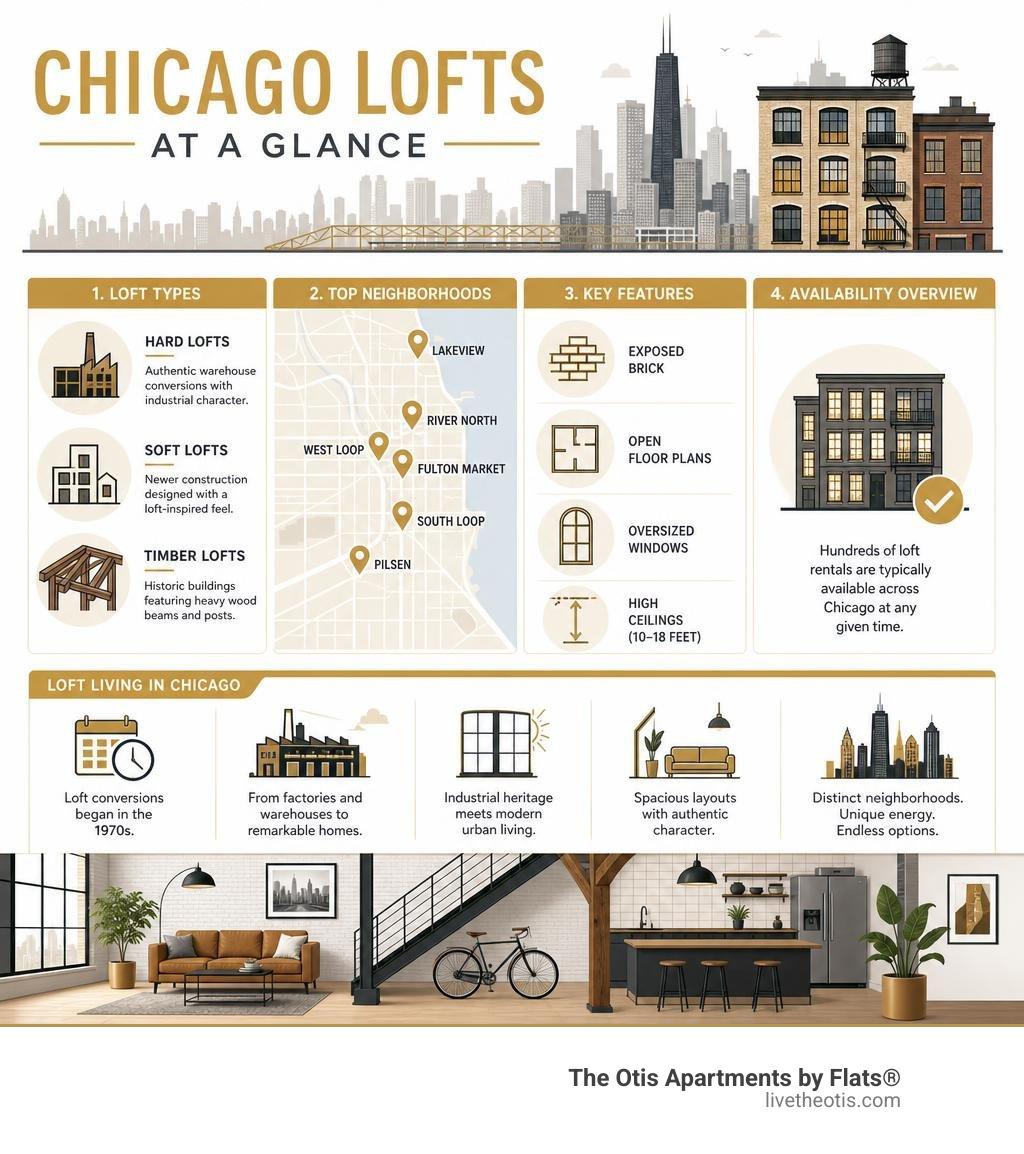
- Types available: Hard lofts (authentic conversions), soft lofts (new builds with a loft feel), and timber lofts (heavy beam structures)
- Top neighborhoods: West Loop, Fulton Market, South Loop, River North, Pilsen, and Lakeview
- Typical sizes: 1,000 to 2,000+ square feet with ceiling heights ranging from 10 to 18 feet
- Signature features: Exposed brick, open floor plans, oversized windows, and high ceilings
- Current availability: Hundreds of loft rentals listed across Chicago at any given time
Chicago's loft scene has deep roots. The city's first loft conversions emerged in the 1970s, when former factories, warehouses, and printing houses in neighborhoods like the West Loop and South Loop began transforming into residential spaces. Today, that industrial heritage is one of the biggest draws for renters who want a home with real character.
Whether it's a converted warehouse with 20-foot ceilings in Fulton Market or a historic school building reimagined as apartments in Uptown, Chicago offers a remarkable range of loft living options — each with its own personality and neighborhood energy.
Understanding the Types of Chicago Lofts for Rent
When searching for the perfect space, it is helpful to understand the architectural distinctions that define the local rental market. Chicago's industrial history has left behind a rich variety of structural styles, each offering a unique aesthetic and living experience. For a deeper look at this lifestyle, the Chicago Loft Apartment Living guide provides excellent background context.
Hard Lofts (Authentic Industrial Conversions)
Hard lofts are the original, historic conversions. These units are located inside buildings that previously served as factories, warehouses, or manufacturing plants. Key features include:
- Exposed brick walls and concrete or heavy timber support pillars
- Soaring ceilings, often ranging from 12 to over 18 feet
- Massive, industrial-sized windows that flood the space with natural light
- Exposed ductwork, water pipes, and structural steel elements
Soft Lofts
Soft lofts are modern residential buildings designed to mimic the aesthetic of classic industrial conversions. Built from the ground up as residential spaces, they feature:
- High ceilings and open-concept floor plans
- Modern finishes, updated kitchens, and contemporary bathrooms
- Improved soundproofing between floors and units compared to historic buildings
- Drywall finishes on some interior walls, offering a balance of modern luxury and industrial style
Timber Lofts
Timber lofts are a beloved subset of hard lofts, characterized by heavy wooden support beams and timber ceilings. Constructed primarily in the late 19th and early 20th centuries, these spaces offer:
- Warm, rustic aesthetics featuring natural wood tones
- Exposed brick walls that complement the heavy timber framing
- Excellent natural insulation and a cozy, organic atmosphere
Warehouse and Special Conversions
Beyond standard industrial buildings, Chicago features unique architectural conversions. Former school buildings, administrative offices, and even religious structures have been converted into residential lofts. These properties often preserve historic elements such as original chalkboards, arched windows, and grand entryways, creating a truly distinct living environment. For practical advice on navigating these options, consult the Loft Apartment Rental Guide 2026.
Top Chicago Neighborhoods for Loft Living
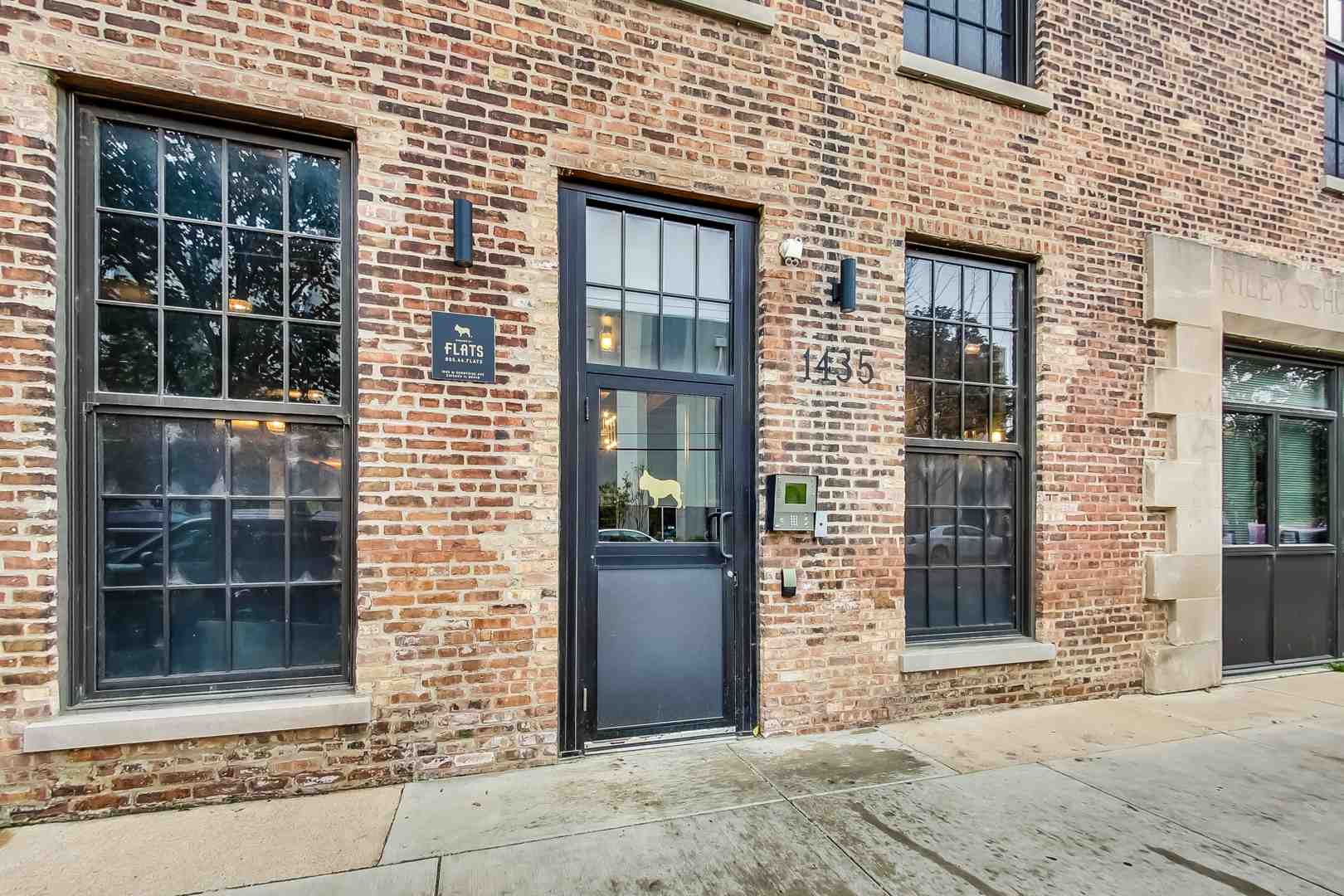
Lofts can be found throughout the city, but certain neighborhoods are particularly famous for their high concentration of industrial conversions and loft-style properties. Exploring Chicago Loft Rentals reveals distinct neighborhood personalities across the city.
- West Loop & Fulton Market: Once the city's wholesale market and packing district, this area is now a premier hub for luxury timber lofts and warehouse conversions.
- South Loop & Printers Row: Known for its historic printing house conversions, this area features high concrete ceilings and large windows within walking distance of downtown.
- Pilsen: A vibrant cultural hub featuring a mix of artistic warehouse lofts, modern concrete lofts, and creative live/work spaces. Renters can explore options via Pilsen Chicago Apartments For Rent - Domu.
- River West: Offering a slightly quieter residential feel while remaining close to downtown, River West features several iconic industrial conversions.
- Lincoln Park: Known for historic conversions tucked away on tree-lined streets, offering unique character in a highly desirable North Side location. Explore available units at Loft Apartments For Rent in Lincoln Park Chicago | Zillow.
- Lakeview: Home to boutique loft buildings and converted commercial spaces near the lakefront. Search listings at Loft Apartments for Rent in Lake View, Chicago, IL.
West Loop and Fulton Market Chicago Lofts for Rent
The West Loop and Fulton Market districts represent the epicenter of Chicago's loft culture. Once dominated by manufacturing and meatpacking, the area has transformed into a world-class dining and residential destination.
In this neighborhood, timber beams and exposed brick are standard. Historic timber lofts showcase the classic brick-and-timber aesthetic, featuring live/work zoning and lofted storage spaces. Many buildings highlight the appeal of 14-foot timber ceilings and exposed brick in structures constructed in the late 19th century. For those seeking multi-level luxury, duplexes in Fulton Market offer double-height ceilings and private rooftop terraces with panoramic skyline views.
South Loop and Pilsen Chicago Lofts for Rent
The South Loop and Pilsen neighborhoods offer a distinct architectural flavor. The South Loop's history as a printing and shipping hub is reflected in its historic structures. Many units feature 12-foot concrete ceilings, oversized windows, and lake views. Renters can find similar properties throughout the area, showcasing the classic industrial aesthetic.
Further west, Pilsen combines rich industrial history with a vibrant arts scene. Loft properties in Pilsen often feature poured concrete floors, floor-to-ceiling windows, and open layouts that attract creative professionals, medical workers, and students alike.
Comparing Loft Apartments vs. Traditional Apartments
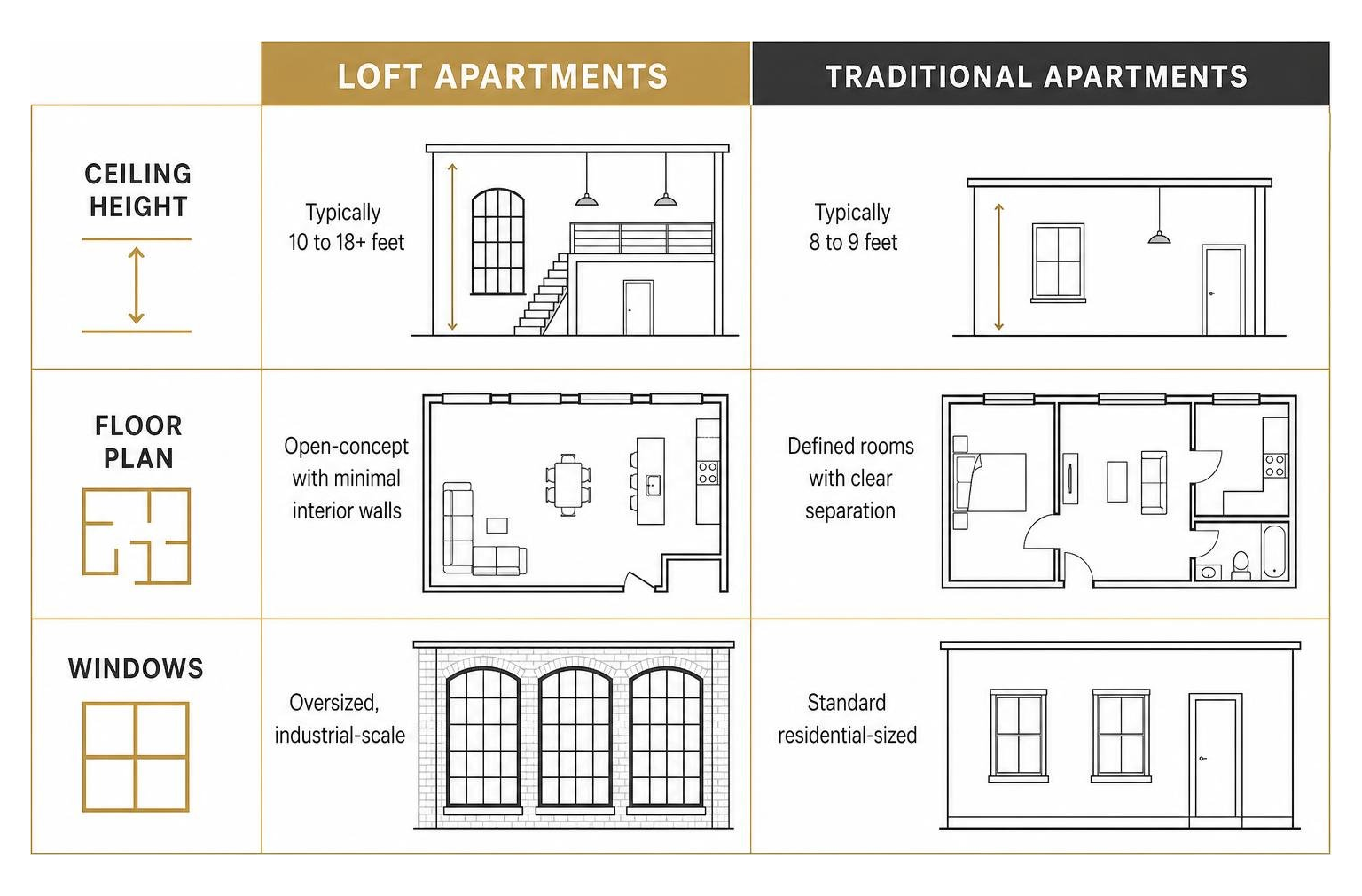
Choosing between a loft and a traditional apartment depends on lifestyle preferences. Lofts emphasize volume, light, and architectural history, while traditional apartments focus on defined spaces and conventional layouts.
| Feature | Loft Apartments | Traditional Apartments |
|---|---|---|
| Ceiling Height | Typically 10 to 18+ feet | Typically 8 to 9 feet |
| Floor Plan | Open-concept with minimal interior walls | Defined rooms with clear separation |
| Windows | Oversized, industrial-scale | Standard residential-sized |
| Materials | Exposed brick, concrete, timber, ductwork | Drywall, carpet, standard trim |
| Storage | Often requires creative, freestanding solutions | Built-in closets and pantries |
| Acoustics | Sound travels more freely due to hard surfaces | Better sound dampening between rooms |
For those exploring their options, reviewing the Loft Apartments for Rent resource can help clarify which style matches daily living requirements.
Key Considerations: Utilities, Parking, and Lease Terms
Renting a loft involves unique operational considerations that differ from standard residential buildings. Keeping these factors in mind ensures a smooth leasing experience. Helpful strategies can be found in the Loft Apartment Rentals Chicago Tips guide.
- Heating and Cooling Costs: High ceilings and large windows create a dramatic aesthetic but require more energy to heat in Chicago winters and cool in the summer. Renters should inquire about insulation quality and typical utility expenses.
- Parking: Many historic loft buildings do not have attached garages. Renters may need to budget for off-site parking or rent a space in a nearby heated garage.
- Pet Policies: Loft buildings are often highly pet-friendly, but standard policies typically apply. Most properties enforce a strict two-pet limit per apartment and may require a pet deposit or monthly pet rent.
- Renters Insurance: Due to the historic nature of converted buildings, landlords almost universally require tenants to maintain active renters insurance policies.
- Lease Duration: Standard lease terms are typically 12 months, though some properties offer flexible options depending on seasonal market demand.
Pros and Cons of Renting a Chicago Loft
Understanding the advantages and potential drawbacks of loft living helps renters make informed decisions. The unique structure of these buildings offers distinct benefits alongside a few trade-offs, which are further explored in Lofts Chicago for Rent.
Pros
- Abundant Natural Light: Large, factory-style windows illuminate the entire living space.
- Versatile Layouts: The absence of interior walls allows residents to customize their floor plans to suit live/work needs.
- Architectural Character: Exposed brick, timber beams, and historic details provide a built-in aesthetic that cannot be replicated in new construction.
- Ideal for Entertaining: Spacious, open-concept living areas are perfect for hosting gatherings.
Cons
- Sound Travel: Hard surfaces like concrete and hardwood floors can cause sound to echo, and minimal interior walls offer less acoustic privacy.
- Limited Built-In Storage: Historic layouts rarely include extensive closet space, requiring residents to utilize freestanding wardrobes or lofted storage.
- Utility Efficiency: Regulating temperatures in vast spaces with high ceilings can be more challenging during extreme weather.
Frequently Asked Questions about Chicago Lofts
What is the average rent for a loft apartment in Chicago?
As of July 2026, the rental market for lofts reflects a premium due to high demand and the unique architectural character of these spaces. Prices vary widely based on the neighborhood, square footage, and building amenities. Units in highly sought-after areas like Fulton Market and the West Loop occupy the higher end of the market, while established residential areas like Pilsen, River West, and Lakeview offer a diverse range of historic and modern loft options.
What amenities are commonly found in Chicago loft buildings?
While older "hard lofts" may have fewer built-in amenities, many converted and modern loft buildings feature premium community spaces. Common features include rooftop decks with skyline views, fully equipped fitness centers, secure bike storage, in-unit laundry, and secure entry systems. Historic preservation is often balanced with modern luxuries like stainless steel appliances and updated kitchens.
Are pets allowed in Chicago loft rentals?
Yes, the vast majority of Chicago loft buildings are highly accommodating to pets. However, standard community guidelines apply. Most properties enforce a strict limit of two pets per apartment, require pet registration, and may impose breed restrictions or monthly pet rent. Many buildings also offer dedicated pet amenities, such as on-site dog runs or washing stations.
Discover Modern Loft-Style Living in Pilsen
For those seeking an exceptional living experience that combines modern convenience with local culture, Pilsen offers an incredible neighborhood atmosphere.
The Otis Apartments by FLATS® provides stylish, contemporary one- to three-bedroom rentals in the heart of Pilsen. Residents enjoy premium amenities, including a stunning rooftop deck with panoramic views, a modern fitness center, and thoughtfully designed living spaces that capture the spirit of urban Chicago. Situated close to the neighborhood's celebrated dining, art galleries, and cultural attractions, it is the perfect place to call home.
To find your next space, Explore Floor Plans and discover the perfect layout today.
For additional tips on securing your ideal space, check out the Chicago Loft Rental Complete Guide, browse Loft Rentals in Chicago, find local resources in the Lofts for Rent Near Me Guide, or read through the Lofts Rental Chicago Best Tips.