

Chicago's Most Unique Apartments Are Not What You'd Expect
Unique apartments in Chicago are unlike anything you'll find in a typical rental search. This city has a deep industrial and architectural history — and a lot of that history has been converted into some of the most distinctive places to live in the country.
Quick answer: The most unique apartment types in Chicago include:
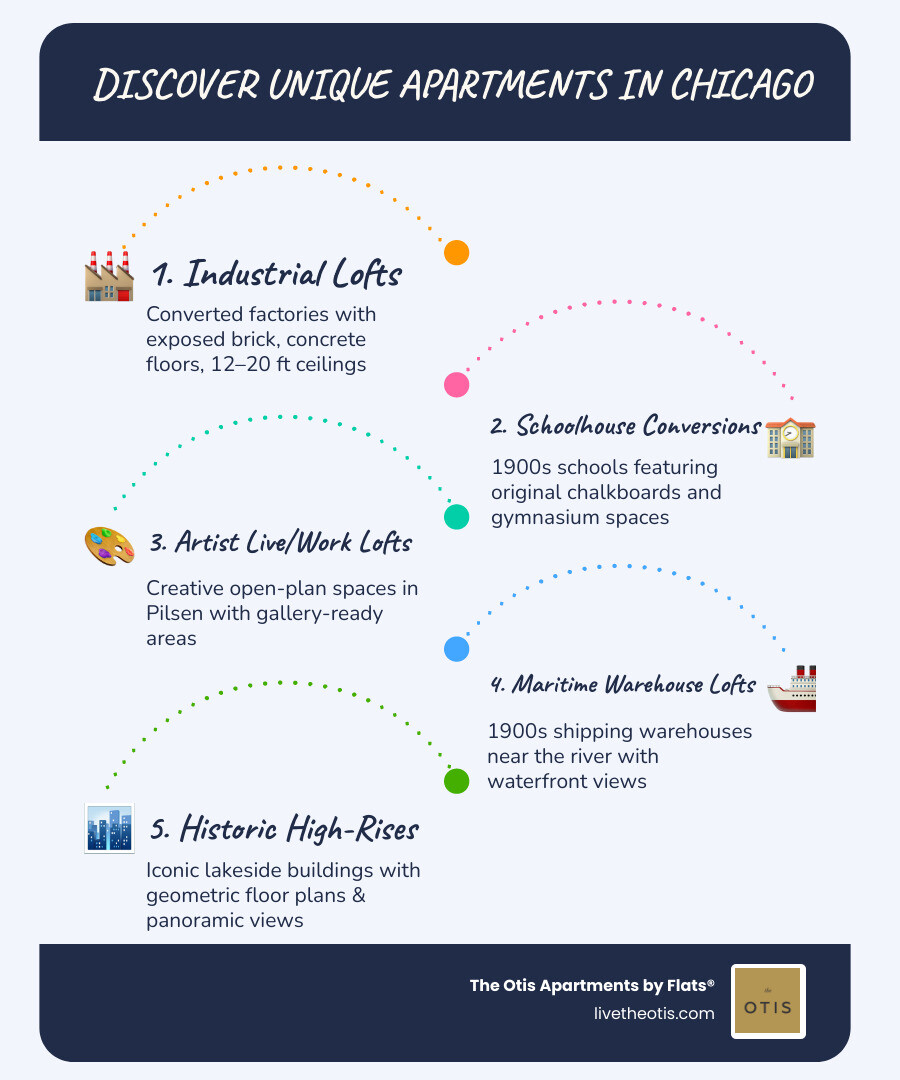
- Industrial loft conversions — former factories and warehouses with exposed brick, concrete floors, and 12–20 ft ceilings
- Schoolhouse conversions — early 1900s schools repurposed into residences, often retaining original chalkboards and gymnasium spaces
- Artist live/work lofts — open-plan creative spaces in neighborhoods like Pilsen, designed for residents who work from home
- Maritime warehouse lofts — converted shipping warehouses near the river with massive floor plans and waterfront proximity
- Modern architectural icons — contemporary towers with one-of-a-kind designs and sky-high amenity spaces
- Historic high-rises — iconic lakeside buildings with geometric floor plans and panoramic lake views
Chicago currently has over 945 loft apartments available for rent across the city — and that's just one category of unconventional living. From a 1907 schoolhouse in Uptown to a 1900s shipping warehouse steps from the Chicago River, these buildings turn everyday living into something memorable.
What makes them special isn't just the aesthetics. It's the sense of place. Living in a converted warehouse or historic building connects residents to Chicago's story in a way that a brand-new high-rise simply can't replicate.
The sections below break down the best types, top neighborhoods, standout buildings, and what to watch out for before signing a lease.
Defining Unique Apartments in Chicago
What separates a "unique" apartment from a standard rental is often its history. Most of these spaces are the result of adaptive reuse—the process of taking a building designed for one purpose (like a factory or school) and converting it into high-end residential housing. These buildings offer a sense of place and craftsmanship that modern construction rarely achieves.

The Main Types of Unconventional Rentals
The landscape of unique living is diverse, but most properties fall into a few specific categories:
- Industrial Lofts: Authentic conversions featuring original Industrial Loft elements like concrete floors, exposed ductwork, and rugged aesthetics.
- Timber Lofts: A subset of lofts defined by massive, century-old wooden beams and columns, often salvaged from 19th-century mills.
- School & Religious Conversions: Apartments that retain original features like high ceilings, arched windows, or unique floor plans from their time as educational or spiritual centers.
- Artist Lofts: Spaces specifically designed for creatives, often including Live Work Lofts capabilities, gallery space, and communal workshops.
- Historic High-Rises: Iconic skyscrapers that offer one-of-a-kind floor plans and architectural pedigrees, often designed by world-renowned architects.
Architectural Features of Unique Apartments in Chicago
When touring these spaces, look for the "Chicago signature" features that define the aesthetic:
- Soaring Ceilings: Heights typically range from 12 to 20 feet, providing significant vertical space and a sense of openness.
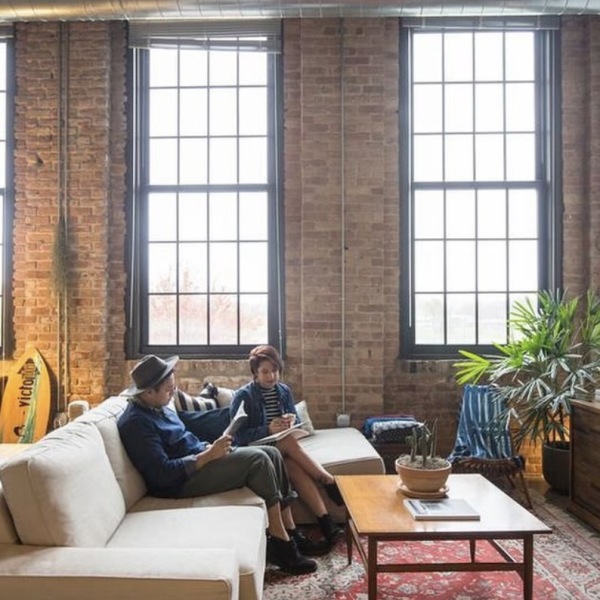
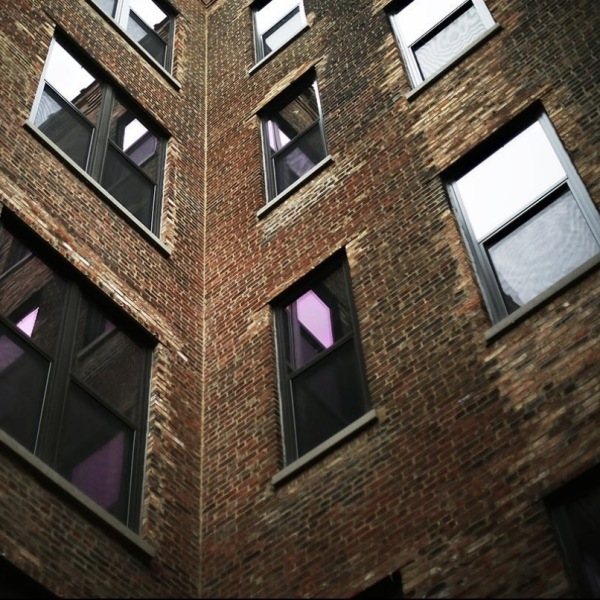
- Exposed Brick: Original 19th-century masonry that adds warmth, texture, and a backsplash of history to modern kitchens and living rooms.
- Oversized Windows: Massive factory-style or arched windows that frame the city skyline and bathe the interior in natural light.
- Reclaimed Materials: Hardwood floors salvaged from old industrial sites or original tiling that provides character modern materials struggle to match.
For those interested in the specific nuances of these layouts, exploring a Loft Apartment guide can help clarify the differences between timber, concrete, and steel-frame structures.
Top Neighborhoods for Historic Conversions
While unique pockets exist throughout the city, certain neighborhoods are the epicenters of adaptive reuse.
West Loop and Fulton Market
Known as a primary loft destination, the West Loop leads in warehouse-to-residential conversions. This area was once the city’s meatpacking and manufacturing hub, and today those structures house some of the most coveted Lofts for Rent in West Loop Chicago. The industrial grit of the past has been polished into high-end residences that maintain their original pillars and loading dock-inspired terraces.
Pilsen
Pilsen is a central hub for Chicago’s creative scene. The neighborhood features many Pilsen Chicago Apartments, many of which are converted industrial spaces that serve as Artist Loft Chicago Ultimate Guide examples. The area’s rich cultural heritage is reflected in the vibrant murals and galleries that surround these unique homes. Pilsen is particularly famous for its monthly 2nd Fridays Gallery Night, which connects residents directly with the local art community.
Uptown and Lincoln Park
Further north, the focus shifts to historic preservation. Uptown is home to grand school conversions, such as buildings dating back to 1907 that now offer studio to three-bedroom floor plans. Lincoln Park offers historic brownstones and luxury lofts that blend vintage charm with modern updates. These neighborhoods are ideal for those who appreciate ornate facades and proximity to the lakefront.
6 Standout Examples of Unconventional Living
Chicago’s rental market features several types of buildings that exemplify unique living.
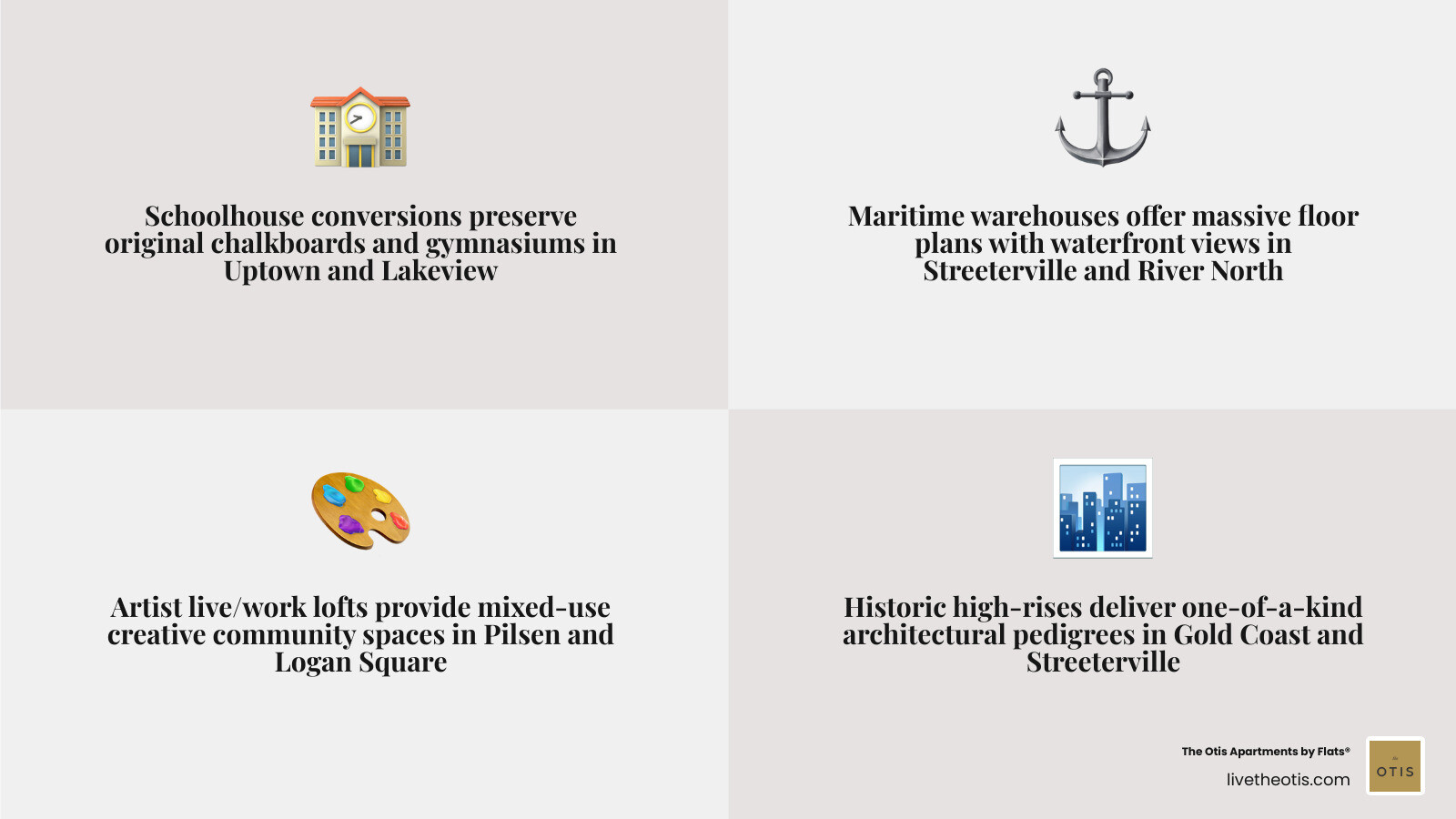
| Building Type | Key Unique Feature | Typical Location |
|---|---|---|
| Schoolhouse Conversions | Original chalkboards & gymnasiums | Uptown / Lakeview |
| Maritime Warehouses | Massive floor plans & waterfront views | Streeterville / River North |
| Artist Live/Work Lofts | Mixed-use creative community spaces | Pilsen / Logan Square |
| Modern Architectural Icons | High-altitude private rooftop decks | South Loop / Loop |
| Industrial Manufacturing Lofts | 13-foot concrete ceilings & pillars | West Loop / Bucktown |
| Historic High-Rises | One-of-a-kind architectural pedigrees | Gold Coast / Streeterville |
Converted Schools and Historic Banks
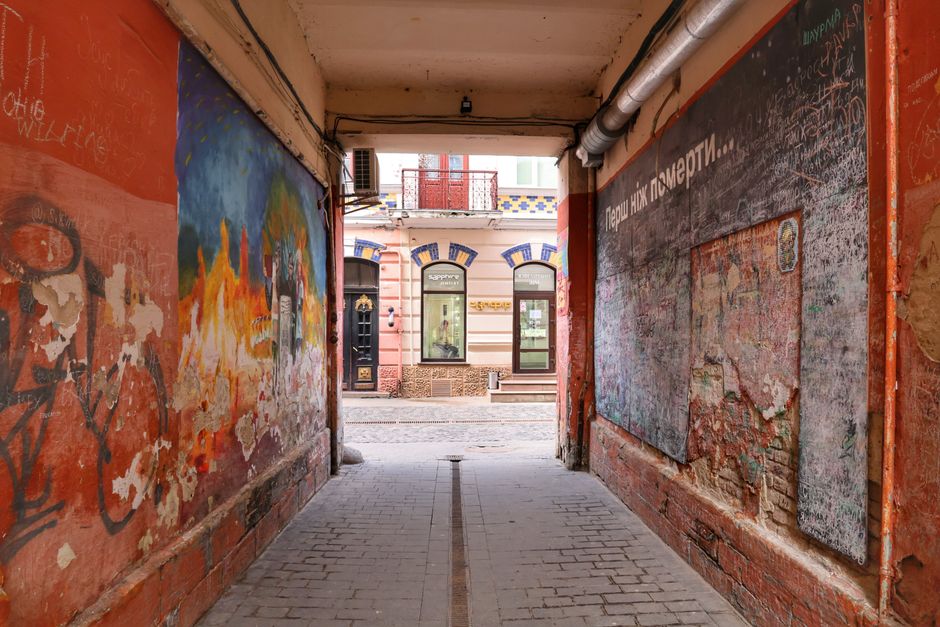
Schoolhouse Conversions: Many buildings originally built in the early 20th century now offer studio to three-bedroom floor plans. These properties are known for preserving original artifacts, including chalkboards in the living areas and original gymnasium spaces that have been transformed into state-of-the-art fitness centers. One notable example in Uptown was originally built in 1907 as an elementary school and now offers a blend of educational history and modern luxury.
Historic Bank Conversions: These projects transform historic financial buildings into sophisticated living spaces. Imagine living in a home where the lobby was once a grand banking hall. These buildings honor the past with preserved marble and ornate moldings while providing modern comforts like stainless steel appliances and in-unit laundry.
Warehouse and Industrial Transformations
Maritime Warehouses: Converted from 1900s shipping warehouses, these buildings often feature dozens of different floor plans—sometimes over 70 in a single building. They balance industrial charm with waterfront proximity, often located along the Chicago River. These spaces frequently feature exposed brick, granite countertops, and original timber beams that supported the city's booming shipping industry a century ago.
Manufacturing Lofts: Former manufacturing facilities, such as those in River West, are known for their massive concrete ceilings and oversized industrial windows. These buildings often provide a rugged, open-concept aesthetic with 13-foot ceilings and structural pillars that create a distinct "industrial-chic" vibe.
Modern Architectural Masterpieces
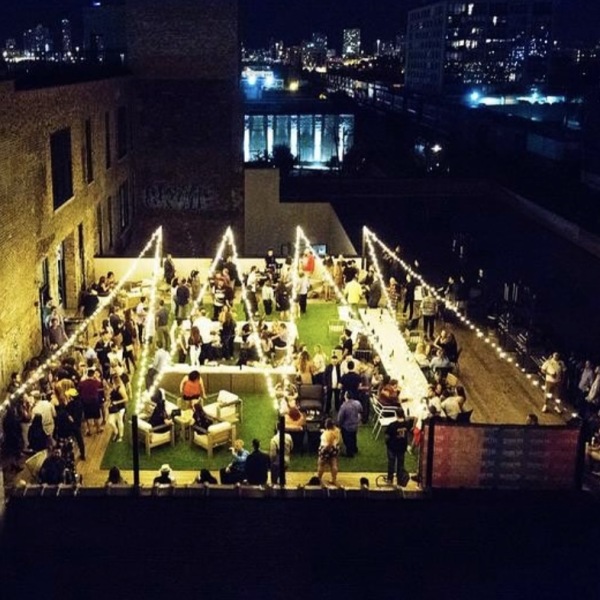
Modern Icons: Certain contemporary towers, such as those designed by world-renowned architects like Helmut Jahn, offer expansive amenity spaces. Some of these buildings feature more than 80,000 square feet of indoor and outdoor amenities, including the highest private rooftop observation decks in the city.
Lakeside High-Rises: Residents in iconic lakeside buildings, particularly those located east of Lake Shore Drive, enjoy expansive views of Lake Michigan. These buildings often feature unique circular or geometric floor plans that maximize the vista, with some residences offering over 100 feet of floor-to-ceiling windows.
Considerations for Renting Non-Traditional Spaces
Living in a unique apartment is an experience, but it requires a different approach than a standard high-rise.
Balancing Charm with Comfort
Unique apartments often trade standard amenities for character. While a modern high-rise might have a 24-hour doorman, a converted school might offer a rooftop deck with historic views or a private park. Prospective renters should consult a Chicago Loft Rental Complete Guide to understand these trade-offs, such as evaluating the preference for authentic exposed brick versus modern, sound-dampened finishes.
Practical Maintenance and Utilities
- Temperature Regulation: High ceilings (ranging from 12 to 20 feet) and large windows are beautiful but can impact heating and cooling. It is wise to inquire about insulation performance during the winter months.
- Soundproofing: Historic buildings, especially timber lofts, may have different acoustic qualities than modern concrete structures. Renters should check for soundproofing measures between units.
- Storage: Open-concept lofts often have fewer closets. Many residents use temporary wall options or creative furniture to carve out distinct storage areas.
- Pet Policies: Most unique buildings are pet-friendly, typically allowing up to two pets per apartment. Some communities even offer dedicated dog runs and pet care services.
Where to Find Listings
Finding these gems requires looking at specialized platforms and local guides. The Ultimate Chicago Apartments Guide provides neighborhood-specific insights for those seeking Loft Apartments for Rent. Utilizing local resources like Domu or Apartments.com can help filter for specific architectural styles like lofts or historic conversions.
Frequently Asked Questions about Unique Apartments in Chicago
What is the difference between a hard loft and a soft loft?
A "hard loft" is a true adaptive reuse of an industrial building, featuring original materials like brick, timber, and concrete. They often have more "quirks" but offer maximum character. A "soft loft" is a newer construction designed to mimic the loft aesthetic, often offering better soundproofing and climate control features while maintaining the open-concept feel and high ceilings.
Which neighborhoods have the most warehouse conversions?
The West Loop and Fulton Market are the primary hubs for warehouse conversions due to their history as manufacturing centers. However, River West, Bucktown, and Pilsen also offer a significant number of loft apartments in former industrial structures.
Are unique apartments pet-friendly?
Yes, the majority of Chicago’s unique and loft-style apartments are pet-friendly. Most buildings allow up to two pets per unit. Always verify specific breed restrictions before signing a lease.
What should I look for when touring a converted school or church?
Look for preserved architectural details like original chalkboards, arched window frames, or cathedral ceilings. Additionally, check how the open space has been divided; some conversions use the high vertical space to create "loft-within-a-loft" sleeping areas.
Conclusion
Choosing a unique apartment in Chicago means becoming part of the city’s living history. Whether it’s the industrial grit of a West Loop warehouse or the artistic energy of a Pilsen conversion, these spaces offer a lifestyle that standard rentals cannot match. These homes are for those who value natural light, historical connection, and the ability to customize an open-concept space.
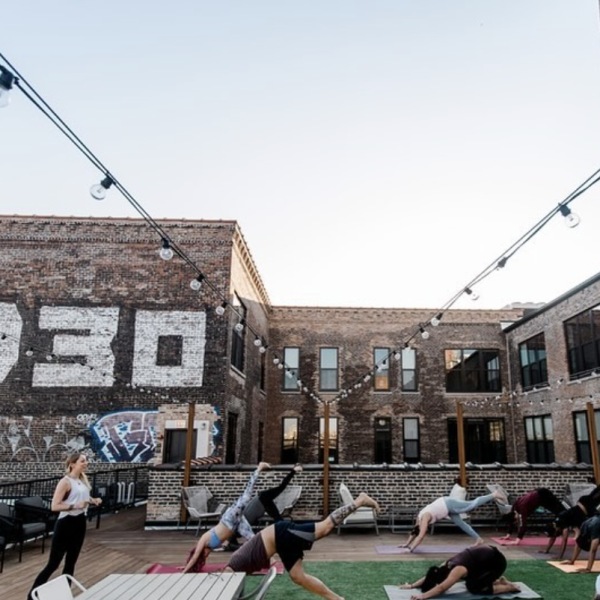
For those seeking a blend of modern luxury and local culture, The Otis Apartments by FLATS in Pilsen offers one- to three-bedroom homes that capture the neighborhood's vibrant spirit. With a rooftop deck and a fully equipped gym, it provides a base for exploring Chicago’s most unique corners.