

Understanding Loft Apartment Rental Costs
How much is rent for a loft apartment depends primarily on location, size, and building type. Here's what renters can expect:
National Loft Rental Ranges:
- Philadelphia, PA: $1,398 - $3,066 (average $1,738)
- Los Angeles, CA: $1,697 - $4,294 (average $2,177)
- San Diego, CA: $2,245 - $6,299
- San Francisco, CA: $1,450 - $6,299
By Bedroom Count:
- Studio: $1,400 - $1,900
- 1 Bedroom: $1,400 - $2,800
- 2 Bedroom: $1,700 - $6,300
- 3+ Bedroom: $2,100 - $4,200+
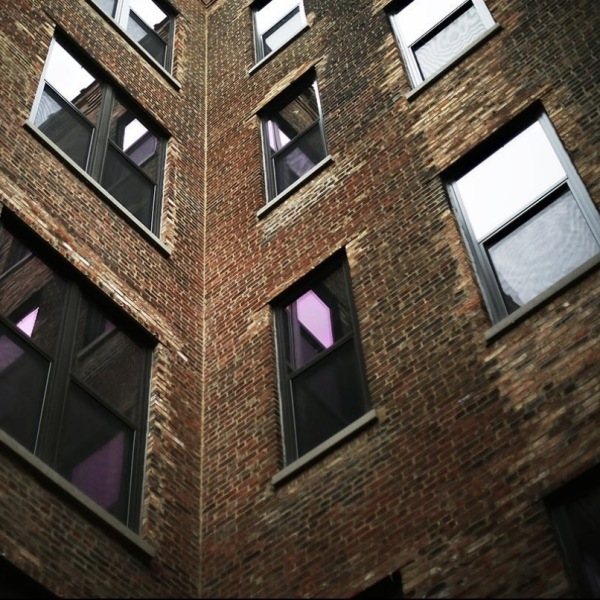
Loft apartments blend contemporary style with industrial charm. These unique spaces feature high ceilings, exposed brick, large windows, and open floor plans with minimal interior walls. Originally converted from warehouses and factories, lofts offer more vertical space and square footage than typical studio apartments.
The rental market for lofts varies significantly by city and neighborhood. Urban areas with strong arts districts and converted industrial buildings tend to have higher concentrations of loft apartments. Prices reflect not just location, but also the building's history, architectural details, and modern amenities.
Hard lofts—conversions of historic industrial buildings—retain original features like timber beams and rustic brickwork. Soft lofts are newer constructions designed to mimic the industrial aesthetic while offering modern amenities like central air and updated electrical systems.
Understanding these distinctions helps renters steer the loft market and find a space that fits their lifestyle preferences.
Key Factors That Influence Loft Apartment Rent
The journey to understanding how much is rent for a loft apartment begins with recognizing the multifaceted elements that shape its cost. Unlike traditional apartments, lofts carry a unique set of characteristics that significantly impact their rental value. These include the inherent features of the loft itself, its strategic location, the generous square footage, the historical or contemporary nature of the building, intricate architectural details, the quality of finishes, and the array of amenities offered.
These factors can create a wide spectrum of rental costs, even within the same city. For instance, a hard loft converted from a historic industrial building in a prime, well-established area of Chicago will naturally command a different rental cost than a soft loft in an emerging neighborhood, even if both boast high ceilings and open layouts. The blend of authenticity, modern comfort, and urban convenience contributes to the overall value perceived by renters.
Here's a general comparison of how various factors can influence the rental costs of loft apartments:
| Factor Type | Characteristics That May Increase Rental Costs | Characteristics That May Influence Rental Costs Differently |
|---|---|---|
| Loft Type | Historic Hard Loft (authentic industrial features, unique character) | Modern Soft Loft (new construction, contemporary amenities, often designed with loft aesthetics) |
| Location | Prime Downtown (e.g., West Loop, Downtown Chicago), proximity to cultural hubs | Emerging Neighborhoods (e.g., specific areas of Pilsen, River West) |
| Building Age | Well-maintained, historically significant conversions with unique architectural heritage | Newer constructions with updated systems and modern designs |
| Architectural Details | Exposed brick, original timber beams, high ceilings (10-17 ft), large factory windows | Clean lines, contemporary materials, high ceilings, large windows |
| Level of Finishes | High-end, custom finishes, designer appliances, smart-home technology | Standard modern finishes, functional appliances |
| Amenities | Rooftop deck, fitness center, in-unit laundry, secure entry, package receiving, pet-friendly (up to two pets) | Basic building services, common laundry facilities |
What Defines a Loft and Affects Its Price?
The very definition of a loft apartment plays a crucial role in its rental cost. Lofts are often categorized into two primary types: hard lofts and soft lofts.
Hard lofts are the quintessential industrial-chic spaces, typically converted from historical warehouses, factories, or commercial buildings. These units retain much of their original character, boasting features like exposed brick walls, raw concrete floors, and impressive timber beams or steel girders. They often feature exceptionally Lofts With High Ceilings, soaring to 10 to 17 feet, which significantly improves the sense of space and light. The large, often multi-paned windows are another hallmark, flooding the open-concept layouts with natural illumination. The authenticity and unique charm of these original industrial elements contribute to their desirability and, subsequently, their rental value. For a broader overview of this style of living, the general concept of loft apartments further explains how these spaces evolved from industrial use.
In contrast, soft lofts are newer constructions designed to emulate the aesthetic of hard lofts. While they might lack the genuine historical roots, they still incorporate key loft characteristics such as high ceilings, expansive windows, and open floor plans. These buildings often come equipped with more modern amenities, updated electrical systems, and contemporary finishes, which also influences their rental costs. They offer a blend of industrial style with the conveniences of new construction.
The presence of these defining characteristics—high ceilings, open spaces, exposed elements, and large windows—is central to what makes a loft a loft, and each contributes to its distinctive appeal and corresponding rental price.
How Location and Neighborhood Impact Rental Rates
In the rental market, location is paramount, and this holds especially true for loft apartments in a dynamic city like Chicago. The specific neighborhood where a loft is situated can dramatically influence how much is rent for a loft apartment. Urban neighborhoods that offer a vibrant lifestyle, convenient transportation, and a rich cultural scene tend to command higher rental costs.
Consider Chicago's Pilsen neighborhood, for example. It is known for its unique blend of industrial heritage and a thriving arts and culture scene, centered around the Chicago Arts District. This area boasts an impressive Walk Score of 96, a Bike Score of 97, and a Transit Score of 66, indicating excellent accessibility to daily necessities, cycling routes, and public transportation. Such high scores signify a neighborhood where residents can easily steer without a car, adding significant value to rentals within its bounds. The CTA Pink Line, for instance, provides a direct and quick commute to downtown Chicago, a major draw for many residents.
Similarly, other sought-after Chicago neighborhoods like River West, West Loop, and Lincoln Park also offer distinct advantages that factor into loft rental rates. The West Loop, once an industrial corridor, has transformed into a culinary and tech hub, making its lofts highly desirable. Lofts For Rent In West Loop Chicago often reflect the area's demand for modern, convenient urban living. Meanwhile, Loft Apartments Downtown Chicago offer access to the city's business, entertainment, and cultural core. Each neighborhood's distinctive character, amenities, and connectivity contribute to its overall desirability and, consequently, the rental costs of its loft apartments.
How Much is Rent for a Loft Apartment in Chicago?
Chicago, with its rich industrial legacy, offers a diverse array of loft apartments, each with its own unique charm and price point. Understanding the local rental market data, including typical price ranges and city-specific statistics, is key to pinpointing how much is rent for a loft apartment in this vibrant metropolis. The market here is dynamic, influenced by factors like historical building conversions, new developments, and the specific allure of various neighborhoods.

A Snapshot of Loft Rental Prices in Chicago
Pinpointing a single average cost for loft apartments across all of Chicago can be challenging due to their unique nature and wide dispersal. Rental costs are often influenced by the specific location, the building's architectural details, the level of interior finishes, and the amenities provided. However, we can observe general ranges within popular loft-centric neighborhoods.
For instance, in Pilsen, a neighborhood celebrated for its cultural richness and converted industrial spaces, we see specific rental ranges by unit size. While River West and West Loop also offer distinctive loft options, the Pilsen market provides a clear illustration of expected costs based on unit type.
Typical Loft Rent Ranges in Pilsen, Chicago:
- Studio Lofts: Approximately $1,700-$1,800 per month
- 1 Bedroom Lofts: Approximately $1,400-$1,900 per month
- 2 Bedroom Lofts: Approximately $1,700-$2,300 per month
- 3 Bedroom Lofts: Approximately $2,100-$2,300 per month
- 4+ Bedroom Lofts: Around $3,200 per month
These ranges illustrate the investment required for loft living in a culturally rich and well-connected Chicago neighborhood.
How much is rent for a loft apartment based on size?
The size of a loft apartment, primarily measured by its bedroom count and overall square footage, is a significant determinant of its rental cost. As expected, larger lofts with more bedrooms generally command higher rental prices. This is particularly evident in Chicago's Pilsen neighborhood, where a variety of loft sizes are available, each with a corresponding price range.
- Studio Lofts: These typically offer around 667 square feet of open living space. In Pilsen, the rental cost for studio lofts generally falls between $1,700 and $1,800 per month. They are designed for efficient living, maximizing the open-concept feel.
- One-Bedroom Lofts: Expanding slightly to about 668 square feet, one-bedroom lofts in Pilsen can range from $1,400 to $1,900 per month. While the square footage might seem similar to studios, the distinct bedroom separation often adds to the privacy and functionality, influencing its value.
- Two-Bedroom Lofts: These spacious units typically range from 957 to 1,014 square feet. The rental cost for two-bedroom lofts in Pilsen is generally between $1,700 and $2,300 per month, reflecting the increased living space and additional room.
- Three-Bedroom Lofts: Offering even more expansive layouts, three-bedroom lofts in Pilsen often measure between 1,293 and 1,648 square feet. Rent for these units typically ranges from $2,100 to $2,300 per month.
- Four-Bedroom and Larger Lofts: For those seeking substantial space, lofts with four or more bedrooms can exceed 1,158 square feet, with rental costs around $3,200 per month in Pilsen. These larger units provide ample room for living, working, and creative pursuits.
The square footage directly correlates with the rental cost, offering more vertical and horizontal space for residents. Renters can explore various layouts and sizes to find a loft that aligns with their spatial needs. For a comprehensive look at available options, you can View available floorplans to see how different sizes are structured.
Loft Living: Comparing Costs and Characteristics
Loft living offers a distinctive experience that sets it apart from more conventional apartment styles. When considering how much is rent for a loft apartment, it's important to look beyond the base price and understand the unique characteristics that influence both the initial investment and ongoing expenses. These include utility costs, how space is used, the abundance of natural light, and the need for creative storage solutions.
How Loft Rent Compares to Other Apartment Types
Loft apartments carve out a unique niche in the rental market, differing significantly from both studio and traditional apartment layouts. Understanding these distinctions helps clarify their rental value.
- Loft vs. Studio: While both feature open-concept living, lofts are typically much larger and more industrial in style. Studio apartments are often 500 square feet or less, found in standard apartment buildings, and have typical ceiling heights of eight or nine feet. Lofts, on the other hand, can be three to four times the size of a studio, with ceilings often ranging from 10 to 17 feet. This expansive space and impressive verticality contribute to a generally higher rental cost for lofts compared to studios, offering a more grand and urban living experience.
- Loft vs. Traditional Apartment: Traditional apartments are characterized by distinct, separate rooms with walls, doors, and often smaller windows. Lofts, conversely, accept an open floor plan with very few interior walls, offering a "blank canvas" for residents to design and define their living zones. This open layout, combined with high ceilings and large windows, provides an airy and spacious feel that many find appealing. The unique architectural details (like exposed brick or timber beams in hard lofts) and the sheer volume of space often mean that More on loft apartments for rent can be a different investment compared to a traditional apartment of similar bedroom count. While a standard apartment emphasizes compartmentalization, a loft prioritizes openness and design flexibility.
The blend of spaciousness, unique character, and design potential often positions lofts at a different point on the rental spectrum, reflecting their distinct appeal.
Understanding the Full Cost: Utilities and Other Considerations
Beyond the monthly rental payment, it is important to consider the full scope of expenses associated with loft living. Due to their distinctive architectural features, lofts can sometimes present different considerations regarding utility costs and storage.
Loft apartments, with their large open spaces, soaring high ceilings, and often expansive windows, can have a different profile for heating and cooling expenses. The sheer volume of air to heat or cool can potentially lead to higher utility bills compared to traditional apartments with smaller, compartmentalized rooms. It's a trade-off for the abundant natural light and spacious feel that lofts provide. In some buildings, the monthly rent may include certain utilities, such as heat, water, and trash removal.
Another consideration for loft residents is storage. Many lofts, especially converted industrial spaces, were not originally designed with numerous built-in closets or storage nooks. This often means residents need to get creative with storage solutions, utilizing furniture that doubles as storage, freestanding shelving units, or even external storage options. This aspect is part of the unique charm and challenge of loft living, encouraging innovative ways to organize and personalize the space.
Finding Your Ideal Loft: Neighborhoods and Amenities
Locating the perfect loft apartment in Chicago involves more than just a price check; it means aligning with a neighborhood's character and a building's offerings. For those seeking how much is rent for a loft apartment, understanding these elements can help define the value proposition. Chicago offers a rich mix of areas known for their distinctive loft communities, each providing a unique blend of culture, convenience, and amenities.
How much is rent for a loft apartment with premium amenities?
The amenities offered within a loft apartment building significantly contribute to its overall rental cost and lifestyle appeal. Premium amenities improve the living experience, providing convenience, comfort, and opportunities for community engagement. When evaluating how much is rent for a loft apartment, the presence of these features plays a considerable role.
Modern loft communities in Chicago often boast a range of desirable amenities designed to cater to contemporary urban living. These can include:
- Rooftop Decks: Offering stunning city views and a communal space for relaxation and socializing.
- Fitness Centers: Providing convenient access to exercise facilities without leaving the building.
- In-Unit Laundry: A highly sought-after convenience that eliminates the need for shared laundry facilities.
- Secure Entry: Ensuring resident safety and peace of mind.
- Package Receiving: A service that helps manage deliveries securely.
- Pet-Friendly Policies: Many buildings welcome residents with up to two pets, though specific breed or weight restrictions may apply.
These amenities not only add to the comfort of residents but also reflect a higher standard of living, which is factored into the rental costs. For example, properties like River West Lofts and The Fields Lofts exemplify communities that integrate such features, contributing to their appeal in the Chicago market. The value of these offerings is in the convenience and quality of life they provide, making them a key consideration for many renters.
Neighborhoods Known for Loft Apartments
Chicago's industrial past has gifted the city with numerous neighborhoods rich in loft apartments, each offering a distinct flavor of urban living. When seeking to understand how much is rent for a loft apartment, exploring these areas is essential, as location profoundly impacts pricing and lifestyle.
Pilsen stands out as a vibrant and culturally rich neighborhood, renowned for its authentic loft living experience. Its industrial heritage means many lofts are housed in converted factories and warehouses, featuring exposed brick, timber beams, and soaring ceilings. Pilsen is also home to the Chicago Arts District, fostering a creative atmosphere with galleries, street art, and cultural institutions. The neighborhood boasts excellent connectivity, with high Walk, Bike, and Transit Scores, and direct access to the CTA Pink Line, making it a highly desirable location. For those drawn to this blend of art, history, and convenience, exploring Pilsen Loft Apartments and Lofts In Pilsen Chicago is a must.
Other prominent Chicago neighborhoods known for their loft offerings include:
- River West: This area offers a blend of industrial character and modern developments, with lofts often featuring unique architectural details and proximity to downtown. You can explore River West Lofts for available listings.
- West Loop: Once a meatpacking district, the West Loop has transformed into a trendy hub with acclaimed restaurants, art galleries, and a thriving tech scene. Its lofts often reflect this upscale, modern urban lifestyle.
- Lincoln Park: While known for its historic architecture, Lincoln Park also features some impressive loft conversions, blending classic charm with contemporary design.
- Lakeview: This diverse neighborhood offers a mix of housing styles, including some loft options that provide spacious living with access to parks and a lively community.
For artists and creatives seeking specialized spaces, resources like the Artist Loft Rental Chicago Complete Guide can provide valuable insights into finding suitable live/work environments within these unique neighborhoods. Each of these areas contributes to Chicago's diverse loft market, offering distinct experiences and influencing the rental costs of their respective loft apartments.
Frequently Asked Questions about Loft Apartment Costs
What are the main differences between a hard loft and a soft loft?
Hard lofts are conversions of historical industrial or commercial buildings, retaining original features like exposed brick and timber beams. Soft lofts are newly constructed residential buildings designed to mimic the aesthetic of hard lofts, often with more modern amenities and layouts.
Do loft apartments typically have higher utility bills?
Due to their large open spaces, high ceilings, and often expansive windows, loft apartments can sometimes have higher heating and cooling costs compared to traditional apartments with smaller, compartmentalized rooms.
Conclusion: Finding the Right Loft for You
Understanding how much is rent for a loft apartment involves a comprehensive look at various factors, from the unique characteristics of the loft itself to its location within Chicago's vibrant neighborhoods and the amenities it offers. Elements like hard versus soft lofts, square footage, architectural details, and a building's features all contribute to the overall rental cost.
Choosing a loft is about embracing a unique lifestyle—one that values open spaces, abundant natural light, and a blend of industrial heritage with modern comfort. Whether you're drawn to the artistic energy of Pilsen, the dynamic pulse of the West Loop, or the convenience of River West, Chicago offers a diverse array of loft apartments to suit different preferences.
For those ready to explore this distinctive urban living experience, the next step is to find the possibilities. Explore available loft apartments for rent to find a space that truly resonates with your vision of home.