

Why West Loop Lofts Are One of Chicago's Most Sought-After Places to Live
West Loop lofts are converted industrial and warehouse spaces — and modern buildings inspired by them — featuring open floor plans, soaring ceilings, exposed brick, and large factory-style windows in one of Chicago's most vibrant neighborhoods.
Here's what you need to know at a glance:
- What they are: Residential spaces in repurposed factories and warehouses (or newly built loft-style buildings), concentrated in Chicago's West Loop and Fulton Market District
- Three main types: Warehouse/industrial lofts, timber lofts, and soft lofts — each with distinct ceiling heights and architectural character
- Ceiling heights: Range from 9 feet (soft lofts) up to 18 feet (warehouse lofts)
- Rental market: 67 loft apartments currently available; two-bedroom units make up more than half the inventory
- How fast they move: Top units lease within hours during peak season (May–September)
- Walk Score: 93 out of 100 — a true Walker's Paradise
- For sale: 28 lofts currently listed, offering a variety of floor plans and square footage
- Pet policies: Most buildings allow up to two pets, with some breed or weight restrictions
There's a reason West Loop lofts keep showing up on every "best neighborhoods in Chicago" list. These aren't cookie-cutter apartments. They're spaces with real history — former meatpacking plants, printing houses, and shoe factories that have been transformed into some of the most distinctive urban homes in the Midwest. For more information on the area's attractions, visit Choose Chicago.
The neighborhood itself has gone through a remarkable transformation. What was once a gritty industrial district is now home to world-class restaurants, tech offices, art galleries, and one of the best public transit connections in the city.
And demand hasn't slowed down. As one local leasing professional put it, the West Loop market moves so fast that waiting even overnight to decide on a unit can mean losing it to another applicant.
Whether someone is exploring the neighborhood for the first time or actively searching for their next home, this guide covers everything — from the history behind these buildings to how to actually land one.

The Evolution of Industrial Spaces into West Loop lofts
The story of West Loop lofts is essentially the story of Chicago’s industrial soul being reimagined for the modern age. Long before the area became a "foodie" mecca, it was the city’s primary meatpacking and manufacturing hub. In the late 19th and early 20th centuries, massive brick warehouses and timber-framed factories rose to accommodate everything from food storage to printing presses.
The shift toward residential living began in the 1980s. Artists were the first to see the potential in these "window-limited" deep-floorplate buildings, drawn to the massive square footage and understated atmosphere. By the 1990s, adaptive reuse projects began in earnest, fueled by zoning changes and preservation initiatives that encouraged developers to maintain the neighborhood's industrial heritage rather than tear it down.
Today, many of these buildings hold landmark status, ensuring that the original character—like the scent of chocolate occasionally wafting from the nearby Blommer Chocolate Factory—remains part of the experience. This urban renewal has turned the West Loop into a masterclass in blending old-world grit with modern sophistication.
Defining the Authentic West Loop lofts Experience
What separates a true loft from a standard apartment? It comes down to volume and materials. An authentic loft experience is defined by:
- Open Floorplans: Minimal interior walls allow for flexible living and creative furniture arrangements.
- High Ceilings: Typically ranging from 12 to 18 feet, creating a sense of grandeur.
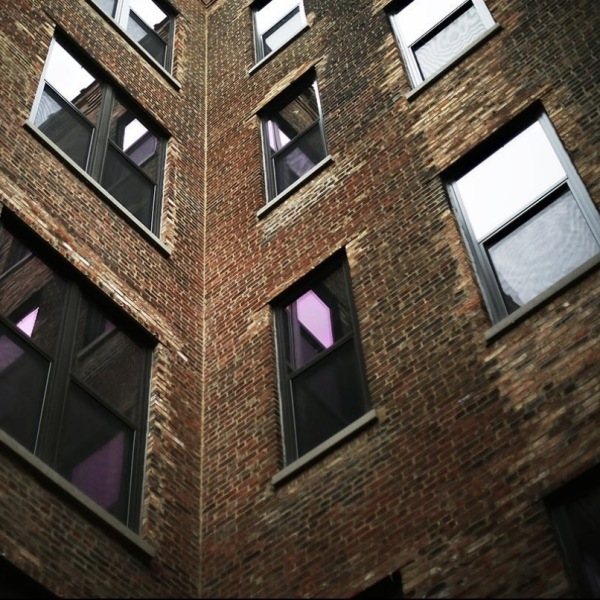
- Exposed Materials: Original brick walls, heavy timber beams, or rugged concrete pillars are left visible.
- Factory Windows: Massive panes of glass that flood the deep floorplates with natural light.
- Visible Ductwork: Exposed spiral ducts and mechanical systems that emphasize the building’s functional history.
For those looking to immerse themselves in this aesthetic, exploring Lofts for Rent in West Loop Chicago is the first step toward finding a space that feels more like a gallery than a traditional home.
The Three Pillars of Loft Architecture
Not all West Loop lofts are created equal. Depending on when a building was constructed and its original purpose, the architecture generally falls into one of three categories.
- Warehouse/Industrial Lofts: These are often the "hardest" lofts. Built with reinforced concrete and steel, they feature massive concrete mushrooms columns and ceilings that can reach up to 18 feet. They offer a sleek, cool aesthetic that pairs perfectly with modern minimalist decor.
- Timber Lofts: Known for their warmth, these buildings utilize heavy timber construction. Residents enjoy exposed oak beams and wood-clad ceilings that create a cozy, rustic atmosphere despite the urban setting. Ceilings here typically range from 10 to 14 feet.
- Soft Lofts: These are newer constructions or major gut renovations designed to feel like a loft. While they offer the open concepts and large windows of their historic counterparts, they often feature partial-height walls for bedroom privacy and more modern soundproofing.
Many residents also look slightly north and west to find similar styles. River West Lofts provide a comparable industrial vibe with slightly different neighborhood energy. For a deeper dive into the surrounding areas, check out this More info about River West neighborhood link to see how the West Loop connects to its neighbors.
Navigating the Competitive Rental Market
With a Walk Score of 93, the West Loop is officially a "Walker’s Paradise." This convenience, combined with the unique architecture, has created a high-velocity rental market. Currently, there are roughly 67 loft apartments available for rent in the neighborhood, but that number fluctuates daily.
The inventory is heavily weighted toward two-bedroom units, which represent over half of the available lofts. This makes the neighborhood popular for those needing a dedicated home office or extra space for guests. However, the speed of the market cannot be overstated. During the peak season from May to September, desirable units often lease within hours of being listed.
To secure a spot, preparation is key. Having a digital folder ready with ID, proof of income, and rental history allows for an immediate application after a tour. Those seeking studio or one-bedroom floor plans might consider Studio Apartments River West or River West Rentals Chicago as excellent alternatives if the West Loop inventory is tight.
Popular West Loop Loft Buildings
The neighborhood is dotted with "iconic" conversions. Some of the most sought-after addresses include:
- Renovated Printing Factories: These often feature the largest windows and most robust floorplates.
- Former Shoe Factories: Known for pioneering steel and concrete frames that allowed for oversized glass.
- Boutique Luxury Conversions: Smaller buildings that offer a more intimate community feel and high-design upgrades like quartz countertops and smart home technology.
Lifestyle and Amenities in the Fulton Market District
Living in West Loop lofts means having "Restaurant Row" on Randolph Street as a backyard. From world-renowned culinary destinations to hidden basement bars, the dining scene is unmatched.
For outdoor enthusiasts, Mary Bartelme Park offers a modern urban retreat with a dedicated dog park and children's play area. The neighborhood is also a transit hub, with easy access to the CTA Green, Pink, and Blue Lines, as well as major Metra stations like Ogilvie and Union Station.
Pet Policy and Amenities The West Loop is incredibly pet-friendly. Most loft buildings accommodate residents with animals, though standard policies usually include:
- A two-pet limit per apartment.
- On-site amenities like dog runs or washing stations.
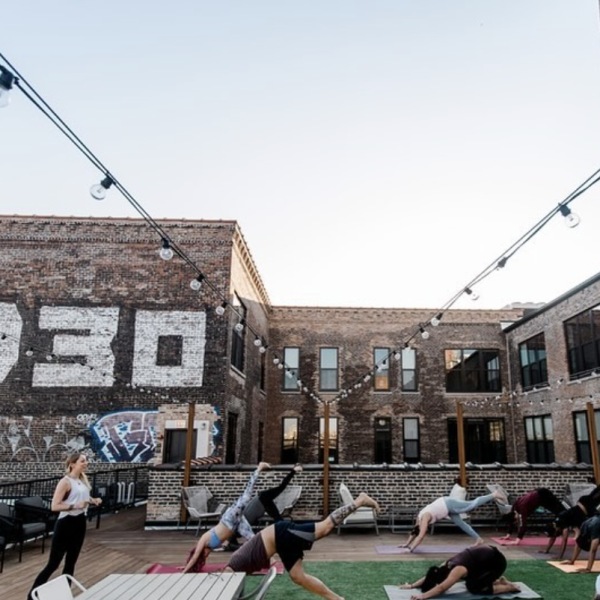
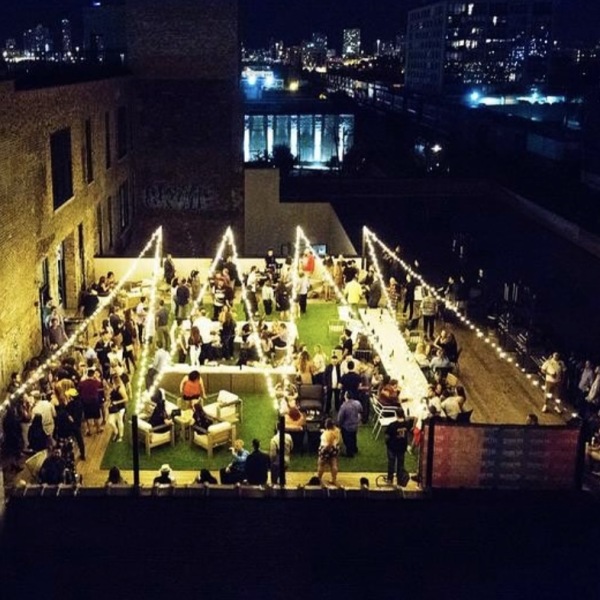
Many buildings also feature expansive rooftop decks with grilling stations and skyline views, turning these historic structures into private urban resorts. For a broader look at the lifestyle in this part of the city, see the River West Complete Guide.
Frequently Asked Questions
How quickly do West Loop lofts lease?
Extremely fast. In the peak summer months, a loft can be listed in the morning and have multiple applications by lunch. Even in the off-season, units rarely stay on the market for more than a week. Prospective renters often tour mid-week to be ready to apply on the spot.
What are the common pet policies in West Loop?
Most buildings are welcoming to furry friends but adhere to a strict two-pet limit. While many lofts are very accommodating, always check for specific breed or weight restrictions before signing a lease.
What is the difference between a timber loft and a soft loft?
A timber loft is a historic "hard" loft that uses massive wooden beams and wood ceilings for structural support, offering a rustic, industrial feel. A soft loft is typically a newer building designed with a loft aesthetic—high ceilings and big windows—but often uses drywall for bedroom walls and offers more modern sound insulation and climate control.
Conclusion
The allure of West Loop lofts lies in their ability to tell a story. Every exposed brick and timber beam is a nod to Chicago’s hardworking past, while the modern amenities and vibrant street life represent its future. The West Loop remains a premier choice for those seeking a home with character and convenience.
While the West Loop offers a high-energy lifestyle, other nearby neighborhoods provide a different kind of cultural immersion. The Otis Apartments by FLATS, located in the historic Pilsen neighborhood, offers modern one- to three-bedroom rentals that celebrate local culture and artistic soul. Whether someone is looking for Warehouse apartments for rent Chicago or a stylish new build in a historic district, the city's loft-style living options have never been better.