

Why Lofts in West Loop Chicago Are Unlike Anything Else in the City
Lofts in West Loop Chicago are some of the most sought-after urban living spaces in the entire Midwest — and it's easy to see why.
Quick answer: What makes West Loop lofts stand out?
- Historic industrial character — exposed brick, timber beams, and soaring ceilings up to 18 feet
- Three main types — warehouse/industrial lofts, timber lofts, and soft lofts (new construction)
- Prime location — a 93 Walk Score means most errands, dining, and transit are steps away
- Strong market — high demand for both sales and rentals with consistent inventory levels
- Vibrant neighborhood — Restaurant Row, Fulton Market, and easy access to the Green and Pink Lines
West Loop sits on Chicago's near west side, and its story is one of the most dramatic neighborhood transformations in American urban history. What was once a gritty meatpacking and manufacturing district is now widely considered downtown Chicago's hottest neighborhood.
The buildings that once housed factories and warehouses have become some of the most distinctive homes in the city. Think 12-to-18-foot ceilings, original brick walls, massive factory windows flooding rooms with natural light, and open floor plans that no standard apartment can replicate.
As one longtime loft resident put it: "It was a space with character and history" — and that feeling is hard to find anywhere else.
Whether someone is searching for a rental or thinking about buying, this guide covers everything needed to understand, find, and secure a West Loop loft.
Defining the Authentic Lofts in West Loop Chicago
To understand the appeal of lofts in West Loop Chicago, it is essential to distinguish them from standard apartments. A true loft is generally defined as a large, open space with very few interior walls, often repurposed from a former industrial or commercial building. While a standard apartment has clearly defined rooms and 8-to-9-foot ceilings, a West Loop loft offers a "blank canvas" feel with soaring vertical space.
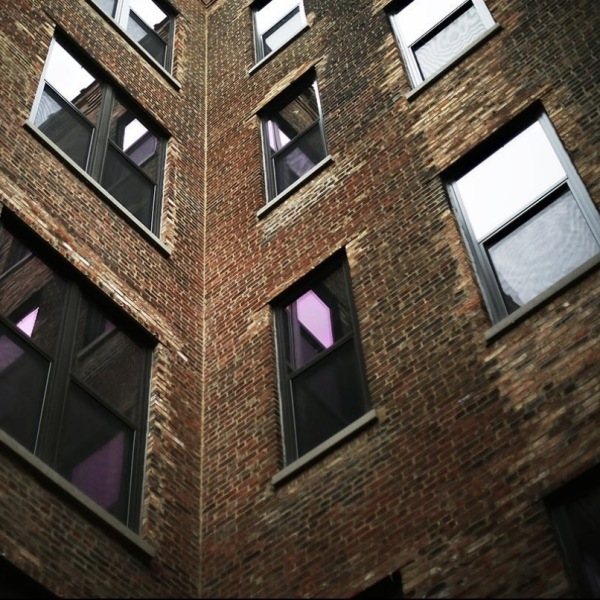
The neighborhood is the city's primary hub for these conversions. From former meatpacking plants to jukebox factories, these buildings retain the "bones" of Chicago’s manufacturing heritage. Key elements include exposed ductwork, original hardwood or concrete floors, and massive windows that were originally designed to provide light for factory workers.
For those curious about the specifics of these layouts, exploring loft apartments reveals how these open concepts provide a sense of scale and versatility that traditional floor plans simply cannot match.
| Feature | Warehouse Loft | Timber Loft | Soft Loft |
|---|---|---|---|
| Primary Material | Concrete & Steel | Heavy Wood Beams | Drywall & Modern Finishes |
| Ceiling Height | 12–18 Feet | 10–14 Feet | 9–12 Feet |
| Wall Style | Fully Exposed Brick | Exposed Brick/Wood | Partial Walls/Drywall |
| Flooring | Polished Concrete | Original Hardwood | Hardwood or Carpet |
Warehouse vs. Timber Lofts
The two "hard loft" categories—warehouse and timber—offer distinct aesthetic experiences.
Warehouse Lofts are the epitome of industrial chic. Often housed in former manufacturing plants or cold storage facilities, these units feature massive concrete pillars, exposed metal piping, and concrete floors. They provide a cool, edgy atmosphere that many residents soften with large area rugs and wall hangings to manage acoustics. If the raw, industrial look is the goal, warehouse apartments for rent in Chicago represent the most authentic version of this style.
Timber Lofts offer a warmer, more organic feel. Instead of concrete, these buildings utilize massive old-growth yellow pine or oak beams and columns. The combination of warm wood tones and red Chicago common brick creates an inviting environment that feels historic yet cozy. These are often found in former garment or textile warehouses where the structure needed to be sturdy but didn't require the heavy-load capacity of a concrete plant.
The Rise of Soft Lofts in West Loop Chicago
As the demand for the "loft look" outpaced the supply of historic buildings, developers began creating "soft lofts." These are typically new construction buildings designed to mimic industrial aesthetics while offering modern conveniences.
Soft lofts often feature:
- High ceilings (though usually lower than 18 feet).
- Large windows and open floor plans.
- Partial-height walls that stop a few feet below the ceiling to allow light to travel.
- Modern drywall finishes instead of 100% exposed brick.
- Contemporary kitchens with European-style cabinetry and integrated appliances.
Soft lofts provide the aesthetic of urban living with the added benefit of modern climate control and improved sound insulation between units.
The Evolution of an Industrial Powerhouse
The West Loop did not become a residential mecca overnight. Its history reads like a recipe for urban transformation. In the late 19th and early 20th centuries, this area was the city's primary industrial engine, home to the sprawling Fulton Market meatpacking district and various manufacturing hubs.
The shift began in the 1980s when artists sought out these gritty, expansive spaces for live/work studios. By the 1990s, the city introduced adaptive reuse zoning and tax incentives that encouraged developers to preserve these historic shells rather than tear them down. This led to a wave of iconic conversions, where former factories and warehouses were transformed into residential spaces while preserving their architectural integrity.
Today, the neighborhood is a protected blend of old and new. Many buildings have earned landmark status, ensuring that the factory windows and timber supports remain a permanent part of the skyline. For a deeper dive into how these spaces are managed today, a complete guide to Chicago loft rentals provides the necessary context for modern residents.
Essential Features and Amenities of West Loop Lofts
Living in a loft is as much about the building's features as it is about the unit itself. Because many lofts in West Loop Chicago are located in converted commercial structures, they offer unique architectural details:
- Massive Windows: Originally designed to maximize daylight before electricity was common, these floor-to-ceiling windows provide unparalleled views and natural light.
- Voluminous Ceilings: With heights ranging from 12 to 18 feet, even a smaller square-footage unit feels expansive.
- Private Outdoor Space: While not universal, many conversions added recessed balconies or large terraces that overlook landscaped courtyards or the city skyline.
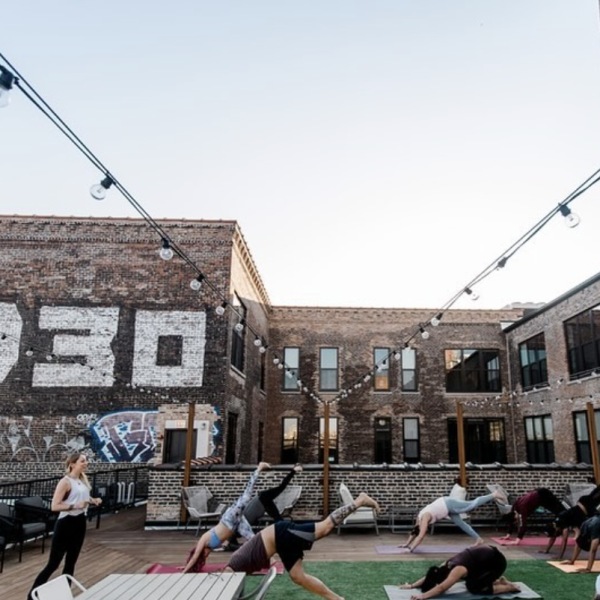
- Building Amenities: Modern loft living often includes 24-hour door staff, professional fitness centers, yoga studios, and rooftop decks equipped with grilling stations and fire pits.
Some iconic buildings even feature unique "flex spaces" within units—perfect for a home office—and full-service amenities like movie theater rooms and business centers.
Navigating the West Loop Lifestyle and Market
The West Loop offers a lifestyle that is arguably the most vibrant in Chicago. With a Walk Score of 93, the neighborhood is a "Walker’s Paradise." Residents can complete most daily errands on foot, from grocery shopping at Whole Foods or Mariano’s to visiting the local boutiques that line the streets.

Connectivity is another major draw. The Morgan station serves the Green and Pink Lines, providing a quick commute into the Loop. For those who travel by car, the neighborhood offers immediate access to the I-90/94 and I-290 expressways.
Living Near Restaurant Row and Fulton Market
The heart of the neighborhood's social scene is Randolph Street, famously known as "Restaurant Row." This stretch is home to world-class culinary destinations like Girl & The Goat and Au Cheval. Just a few blocks north, Fulton Market has evolved from a distribution hub into a tech and dining powerhouse, hosting corporate headquarters alongside Michelin-starred eateries.
For those who enjoy the outdoors, Mary Bartelme Park is a neighborhood centerpiece. It features a modern playground, a sunken dog park, and "mist pipes" that provide relief during Chicago's humid summers. This blend of high-end dining and community green space makes lofts for rent in West Loop Chicago a top choice for those who want to be at the center of the action.
Market Trends for Lofts in West Loop Chicago
The real estate market in the West Loop is consistently competitive. Because the supply of authentic historic lofts is limited by the physical footprint of existing old buildings, these properties often move quickly.
- High Demand: Highly desirable units in peak season (May–September) can lease or sell within a very short timeframe.
- Inventory: There are typically dozens of lofts available for rent at any given time, though these numbers fluctuate daily.
Popular Loft Buildings and Practical Considerations
When searching for a loft, it helps to know the types of buildings available in the neighborhood. Many former industrial sites are legendary for their multi-level layouts and historic charm. Some standout options offer renovated units that blend historic timber beams with smart home technology like modern lighting and EV charging stations.
Pet Policies and Parking Options
For many urban dwellers, pets and parking are non-negotiable.
- Pet Policies: Most West Loop buildings are pet-friendly, though many have a two-pet limit per apartment. You can expect pet deposits and monthly pet rent. Many modern buildings have leaned into this lifestyle by adding indoor dog runs and pet washing stations.
- Parking: In a neighborhood this dense, parking is a premium. Many loft condos include "deeded parking," which means the parking spot is owned like the unit itself. Renters should look for buildings with attached heated garages, as street parking can be difficult to find near Restaurant Row.
- Storage: Because lofts often have open floor plans with fewer closets, many buildings provide additional storage lockers in the basement or bike rooms to help residents manage their gear.
Frequently Asked Questions about West Loop Lofts
What is the difference between a loft and a standard apartment?
The primary differences are the ceiling height, the lack of internal walls, and the building's history. Lofts feature 12-to-18-foot ceilings and industrial materials like brick and timber. Standard apartments have 8-to-9-foot ceilings and fully drywalled rooms.
Are lofts in the West Loop pet-friendly?
Yes, the vast majority are. Most allow up to two pets. The neighborhood is very accommodating to pet owners, with Mary Bartelme Park offering one of the most popular dog parks in the city.
How competitive is the West Loop loft market?
It is very competitive. Due to the high demand for the West Loop lifestyle, lofts often rent within days of being listed. It is recommended to have all application documents (ID, proof of income, and references) ready before touring a property.
Conclusion
The lofts in West Loop Chicago represent a perfect marriage of the city's industrious past and its stylish present. From the rugged charm of a concrete warehouse to the warm embrace of a timber-beamed home, these spaces offer a level of character that modern apartment towers struggle to emulate.
Living here means being steps away from the best food in the country, world-class transit, and the unique energy of Fulton Market. For those who love the industrial aesthetic but want to explore other vibrant Chicago pockets, FLATS offers exceptional living experiences across the city.
In the nearby Pilsen neighborhood, The Otis Apartments provides a modern take on urban living. While it offers a different vibe than the West Loop, it maintains that same commitment to style, culture, and community. Whether one is drawn to the history of a warehouse conversion or the cultural heartbeat of a neighborhood like Pilsen, exploring modern amenities reveals a fresh perspective on Chicago rentals.