

Why Artists Need a Dedicated Creative Space
When you rent an art studio, you're looking for more than just four walls. Here's what to know:
Key things to understand:
- Studio types - Private studios, shared spaces, live/work lofts, or hourly rentals
- Typical costs - Studios range from 100-900 square feet, with rent often calculated by square footage or fixed monthly rates
- What's included - Many options include 24/7 access, WiFi, utilities, and basic amenities like sinks and work areas
- Application process - Expect a portfolio review, artist statement, and a formal review process
- Common requirements - Commitment to regular studio use, community participation, and compatibility with other artists
Chicago's art scene thrives on dedicated creative spaces. Whether you're a painter working on large canvases, a sculptor needing room for installations, or a photographer requiring controlled lighting, having your own studio changes everything.
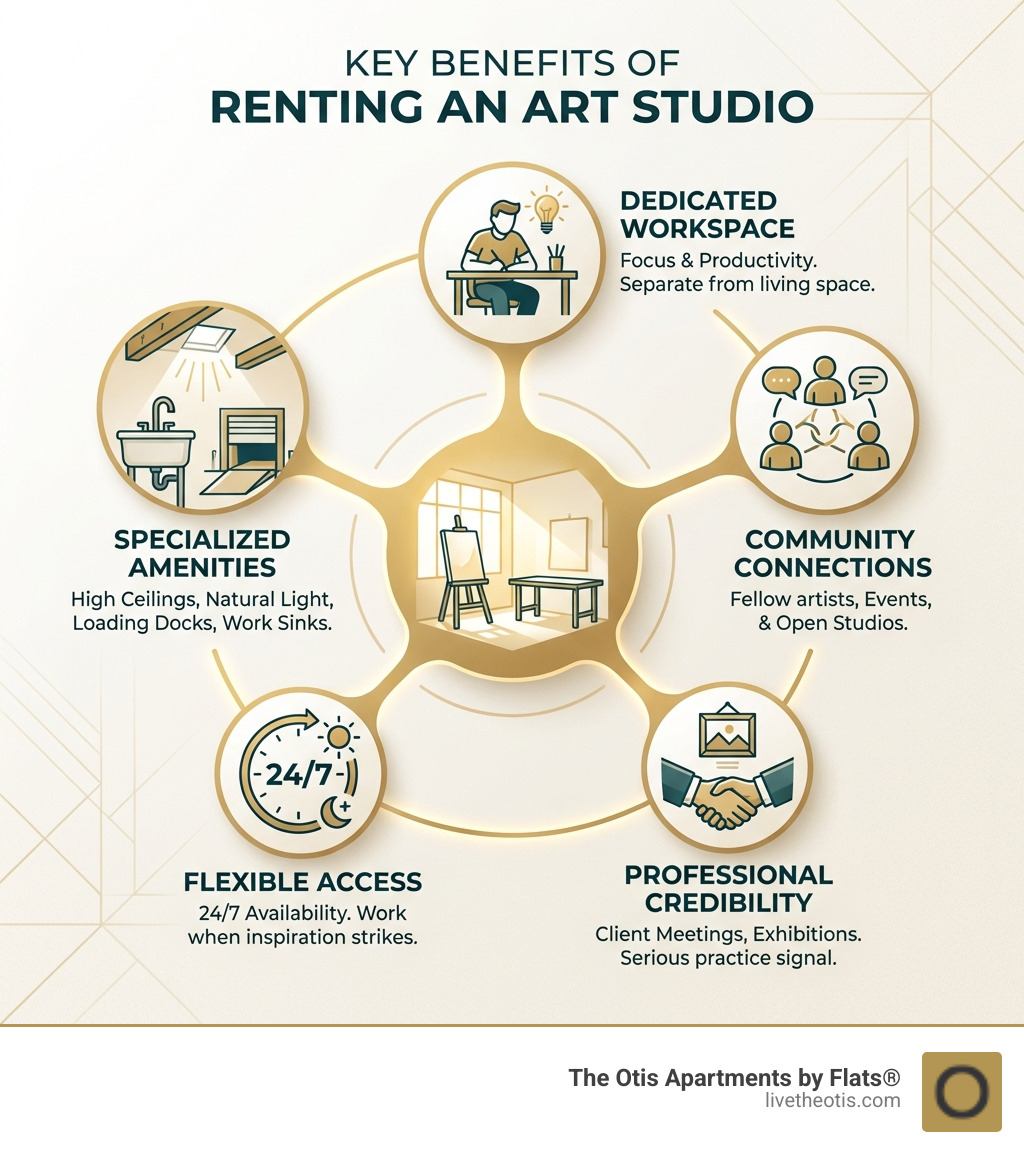
A dedicated studio does more than provide square footage. It separates creative work from living space. It connects artists with peers. It signals to clients and galleries a serious, professional practice.
The right studio supports artistic growth. It provides room to experiment without worrying about mess in an apartment. It offers 24/7 access when inspiration strikes at midnight. And in neighborhoods like Pilsen, it places artists at the heart of Chicago's creative community.
Understanding Your Studio Options: From Private Lofts to Shared Spaces
The journey to rent an art studio begins with understanding the diverse types of spaces available. Chicago, with its rich artistic heritage, offers a spectrum of options to suit various needs, from solitary creation to collaborative endeavors.
Private Studios
For artists who require solitude and an undisturbed environment to focus on their craft, a private studio is an ideal choice. These spaces provide a dedicated area where you can immerse yourself fully in your work without distractions. Private studios are particularly beneficial for disciplines that demand intense concentration, involve sensitive materials, or require specific setups that might be disrupted in a shared environment. They also offer a professional setting for client meetings, allowing artists to present their work in a polished and personal space. This type of studio fosters a sense of ownership and can significantly improve productivity. For an in-depth exploration of private creative spaces, consult the Artist Loft Chicago Ultimate Guide.
Shared Studios
Shared studios offer an alternative for artists who thrive on interaction and collaboration. These environments are designed to foster a sense of community, where artists can exchange ideas, offer critiques, and even work on joint projects. Beyond daily interactions, many shared studio communities organize networking events and social gatherings, such as monthly potlucks, to strengthen bonds and create a supportive ecosystem. This collaborative atmosphere can be incredibly inspiring, pushing artists to explore new techniques and perspectives.
Live/Work Lofts
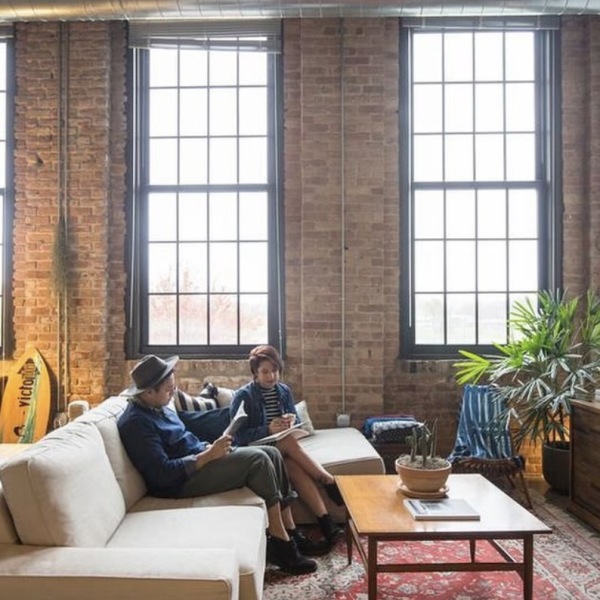
A unique and highly sought-after option, especially in areas like Chicago's Pilsen neighborhood, are live/work lofts. These spaces ingeniously blend living and working areas, often found in converted industrial buildings. Pilsen, in particular, is renowned for its creative ecosystem, offering environments that nurture both daily life and artistic pursuits. Such lofts are characterized by open floor plans, high ceilings, and large windows that provide abundant natural light – features highly valued by artists. This setup allows for seamless transitions between life and work, fostering a constant flow of creativity. To learn more about these versatile spaces, explore the guide to Artist Loft Chicago, IL.
Hourly Rentals
For artists who need a studio sporadically, perhaps for specific projects, workshops, exhibitions, or classes, hourly rentals offer unparalleled flexibility. This model allows artists to access professional studio facilities without the commitment of a long-term lease. It's an excellent solution for hosting a one-day workshop, setting up a temporary exhibition, or conducting a specialized class. The convenience of booking a space only when needed makes it a practical choice for many. If you're looking to schedule a space for a session, you can Book a studio for your class. This type of rental ensures that artists can access the resources they need, precisely when they need them.
The Financials: What to Expect When You Rent an Art Studio
Understanding the financial aspects is a crucial step when you decide to rent an art studio. Beyond the monthly rent, various fees and inclusions can impact your overall investment.

Monthly Rent
Studio sizes can vary significantly, typically ranging from about 100 to over 900 square feet. The rent is often calculated per square foot, or it may be a fixed monthly rate depending on the studio's size and features. For instance, while some studios might be around 100 square feet, others average about 350 square feet. Larger spaces, or those with unique features, can extend to 800 square feet or more.
To give you a clearer picture, here's a comparison of typical studio sizes and their general features:
| Studio Size (Approx.) | Typical Features | Best Suited For |
|---|---|---|
| 100-150 sq ft | Compact, often private, good for solitary work, basic lighting | Drawing, digital art, small-scale painting, photography editing |
| 350-500 sq ft | More spacious, room for larger canvases, potentially shared, some natural light | Medium-scale painting, sculpture, textile arts, small workshops |
| 600-900+ sq ft | Expansive, high ceilings, often with windows or special amenities like a roll-up door, suitable for sharing | Large-scale installations, performance art practice, woodworking (with ventilation), group classes |
Additional Considerations
When budgeting to rent an art studio, the monthly rent is often just one part of the equation. You might encounter other charges such as security deposits, which are typically equivalent to one month's rent and are refundable upon the studio being returned in its original condition. It is always wise to inquire about all potential costs upfront. For detailed information on studio sizes and features, you can View Studio Sizes & Features provided by some communities.
Utilities & Included Amenities
A significant factor in the overall cost is what's included in the rent. Many art studio rentals adopt an all-inclusive model, where utilities such as electricity, heating, air conditioning, hot water, and high-speed WiFi are covered. This structure consolidates many of the monthly expenses associated with a studio. Some facilities boast impressive internet speeds, like 500 mbps WiFi, ensuring artists stay connected.
However, policies can vary. In some older buildings or certain types of loft spaces, while water and trash removal might be included, artists may be responsible for separate payments for electricity, gas, internet, and cable. It is essential to clarify these details in your lease agreement. Access to communal work sinks, common areas, and sometimes even specialized equipment like presses in a print shop can also be part of the package. For insights into properties that often include a wide range of amenities, explore information on Loft Spaces Chicago.
The Application Journey: Securing Your Creative Space
Once you have identified the type of studio that aligns with your artistic practice, the next step is navigating the application process to rent an art studio. This journey involves careful preparation and understanding the specific requirements of each studio community.

Finding Available Studios
The search for an available art studio often begins online. Many art centers and studio buildings list current openings on their websites. However, due to high demand, some desirable locations maintain waitlists for private studios. It is a proactive approach to inquire about waitlist procedures if a preferred space is currently occupied. For those interested in creative-friendly apartments in Pilsen, information may be available by contacting The Otis Apartments by FLATS for availability.
The Application Process
The application process for an art studio is typically thorough, designed to ensure a good fit between the artist and the community. Expect to submit a comprehensive portfolio showcasing recent work, often requiring a specific number of digital images along with an image list detailing titles, media, dimensions, and completion dates. An artist statement, usually limited to a certain word count (e.g., 150 words), is important for articulating artistic vision and practice. A resume or CV is often requested, and some providers may ask for a studio use statement explaining how the space will be used. The selection process often involves a committee review, evaluating artistic merit, commitment, and potential contribution to the studio community.
Key requirements when you rent an art studio
Beyond the artistic portfolio, studio providers often look for specific criteria that indicate a serious and collaborative tenant. A demonstrated commitment to an art practice is paramount, frequently evidenced by regular use of the studio. Community involvement is frequently a valued aspect, as many art studios thrive on a collaborative and supportive environment. Providing satisfactory personal references is also a common requirement. Depending on the type of studio and artistic activities, a local business license may be needed. These requirements support a studio community that remains vibrant, professional, and conducive to creative growth.
Scheduling a Tour
Before committing to rent an art studio, scheduling a tour is highly recommended. This allows a experience of the space, an assessment of its suitability, and an opportunity to ask questions. Many studio providers offer virtual tours, which can be a convenient initial step, like the option to Take a Virtual Tour of some properties. However, an in-person visit provides a tangible sense of the space, its natural light, and the general atmosphere. Most facilities have contact forms or direct email options to facilitate inquiries and schedule visits.
Life in the Studio: Rules, Amenities, and Community Perks
Life within an art studio community is about more than just the physical space; it's about the environment, the support systems, and the opportunities for growth. When you rent an art studio, you become part of a larger ecosystem designed to nurture creativity.
Common amenities when you rent an art studio
Modern art studios are equipped with a range of amenities designed to support artistic practice. Most offer 24/7 access, allowing artists to work whenever inspiration strikes. Security is often a priority, with measures such as security systems, internal cameras, and even state-of-the-art building-wide systems covering external areas. Practical conveniences like kitchenettes (complete with refrigerators, microwaves, and coffee makers) and accessible restrooms are standard. For artists working with larger pieces or requiring material deliveries, easy loading access via loading docks and elevators is invaluable. Parking options, though sometimes limited, are also a key consideration. In neighborhoods like Pilsen, live/work spaces often come with many of these features, contributing to a holistic creative lifestyle. Dig deeper into the advantages of these combined spaces by exploring the Lofts Pilsen Chicago Guide.
Rules and Regulations
To ensure a productive and respectful environment for all, art studio rentals come with specific rules and regulations. Lease terms can vary, from flexible month-to-month agreements to longer annual commitments. A crucial rule across most facilities is that studios are for work only, strictly prohibiting living in the spaces. This maintains the professional integrity and purpose of the building.
Additionally, certain types of media or activities may be restricted due to safety, ventilation, or noise concerns. For instance, heavy equipment, welding, kiln work, or extensive woodworking might be prohibited or require specialized studio setups. Other common rules include cleaning oil brushes offsite, using utility sinks only for specific cleanups, and avoiding personal heating devices like space heaters. Understanding these guidelines is vital before you rent an art studio. For more comprehensive details on typical regulations, refer to resources like Review Studio Rental details.
Specialized Facilities & Needs
Some art studio communities go beyond basic amenities, offering specialized facilities to cater to diverse artistic needs. These can include fully equipped print shops with presses for etching, monotype, woodcut, letterpress, and screen printing, along with laser and 3D printers. Other specialized areas might feature hot shops for blacksmithing or comprehensive wood shops with various saws, drills, and routing equipment.
For artists with unique requirements, such as specific ventilation or accessibility needs, it is important to inquire about the studio's capabilities. While some studios may have open-air designs that restrict toxic material spraying, they can still accommodate practices like oil painting. Many facilities are also committed to accessibility, offering elevator access and other resources to ensure an inclusive environment. To understand what accommodations might be available, you can Learn about accessibility resources from various art centers.
Community Opportunities
Beyond the physical space, a significant benefit of renting an art studio in a dedicated community is the wealth of opportunities for connection and growth. These often include regularly scheduled open studios, where artists can showcase their work to the public and receive feedback. Gallery walks, social drawing nights, and weekly figure drawing groups foster a vibrant social scene. Many communities also provide invitations to participate in select gallery shows and exhibitions, offering artists valuable exposure. The chance to network with fellow artists, share experiences, and even collaborate on projects is a powerful catalyst for professional development. In dynamic neighborhoods like Pilsen, these community aspects are woven into the fabric of the local art scene, making it an inspiring place to rent an art studio. For more on the creative community in Pilsen, see the guide on Pilsen Lofts for Rent.
Frequently Asked Questions about Renting an Art Studio
When considering whether to rent an art studio, several common questions often arise. Here are answers to some of the most frequent inquiries to help clarify the process.
Can I share a studio with another artist?
Yes, many art studio communities permit or even encourage sharing a studio with another artist. This can be an efficient way to use space and foster collaboration. Sharing usually requires all occupants to go through an application process and sign the lease, ensuring everyone understands their responsibilities. While sharing can offer significant benefits in terms of camaraderie and inspiration, it is important to clarify the specific policies and "contingencies" with the studio provider, as sub-leasees or additional occupants might have slightly different privileges or responsibilities.
Are utilities typically included in the rent?
The inclusion of utilities in art studio rent varies significantly by facility and lease agreement. Many contemporary studio buildings offer an all-inclusive rent, covering essentials like electricity, heating, air conditioning, hot water, and high-speed internet (WiFi). This provides predictability in monthly expenses. However, in some properties, especially older converted spaces, certain utilities like electricity, gas, or specialized internet services might be billed separately. Always confirm the exact utility inclusions and exclusions in your lease agreement before finalizing your rental.
What is a "juried process" for studio applications?
A "juried process" for studio applications refers to a formal selection method where a committee reviews artistic portfolios and applications to determine suitability for a studio space. This committee often comprises arts professionals, board members, and sometimes current studio artists. The evaluation goes beyond just the quality of the artwork; it assesses the artist's commitment to their practice, their artistic vision as articulated in their artist statement, and their potential to contribute positively to the studio community. This process ensures that the studio environment maintains a high standard of artistic integrity and a diverse, supportive community of creators.
Conclusion: Finding Your Place in Chicago's Art Scene
To rent an art studio is to invest in a creative journey, providing a dedicated space for focus, growth, and connection. Chicago's vibrant art scene, particularly in neighborhoods like Pilsen, offers a range of options for artists seeking such an environment. From the quiet solitude of a private studio to the collaborative energy of a shared space or the integrated lifestyle of a live/work loft, there is a solution for many artistic needs.
The right studio provides practical amenities such as 24/7 access, robust security features, essential utilities, and in some cases specialized facilities. Just as important, it can integrate artists into a community, offering networking events, exhibition opportunities, and a supportive network of fellow creators.
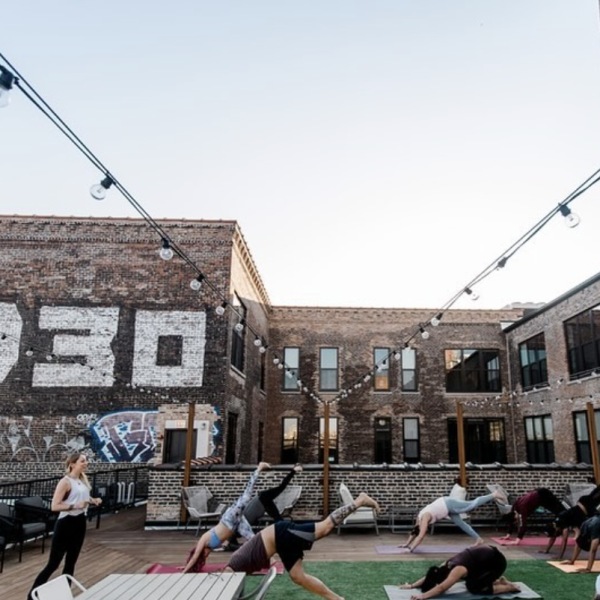
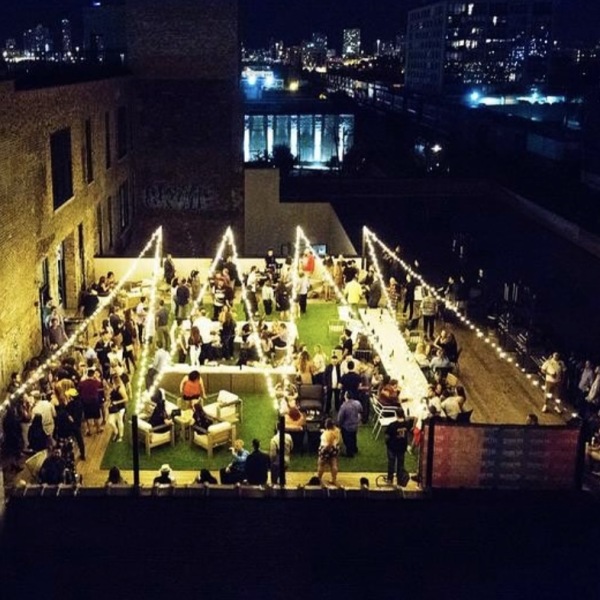
Within this broader landscape, The Otis Apartments by FLATS offers modern one- to three-bedroom rentals in the heart of Pilsen, positioning residents close to galleries, studios, and neighborhood cultural events. Thoughtful amenities, including features like a rooftop deck and fitness center, support a balanced lifestyle where creative work and daily life can coexist.
For those ready to find a creative home base in Chicago, exploring available studios, live/work-style layouts, and artist-friendly apartments is an important step toward developing an artistic practice. Explore Chicago's creative living options in the Artist Loft Ultimate Guide to see how the city's diverse offerings can support a wide range of artistic ambitions.