

What Is a Lofted Studio Apartment in Chicago?
Lofted studio apartments in Chicago combine the compact footprint of a studio with dramatic vertical space — typically featuring a raised sleeping platform or mezzanine level built above the main living area. Here's a quick breakdown of what sets them apart:
- Ceilings: Usually 12–19 feet tall, far higher than a standard apartment
- Layout: One open-concept room with a sleeping loft accessed by stairs or a ladder
- Style: Often feature exposed brick, industrial ductwork, concrete or timber beams, and oversized windows
- Building types: Found in historic warehouse and school conversions, as well as modern "soft loft" new construction
- Key difference from a regular studio: A traditional studio keeps everything on one level; a lofted studio uses vertical space to separate the sleeping area from the living space
Chicago has one of the richest loft apartment markets in the country. The city's industrial past — from 1900s shipping warehouses along the river to early 20th-century manufacturing plants — left behind a stock of buildings with the raw bones that define true loft living: soaring ceilings, heavy timber frames, and wide-open floor plates.
Today, with nearly 1,000 loft apartments available to rent across the city, lofted studios are one of the most sought-after formats for young professionals who want character and space without committing to a full one-bedroom footprint.
This guide covers everything worth knowing — from layout tips and architectural features to neighborhood comparisons and seasonal rental patterns.
Understanding the Lofted Studio Apartment Chicago Layout
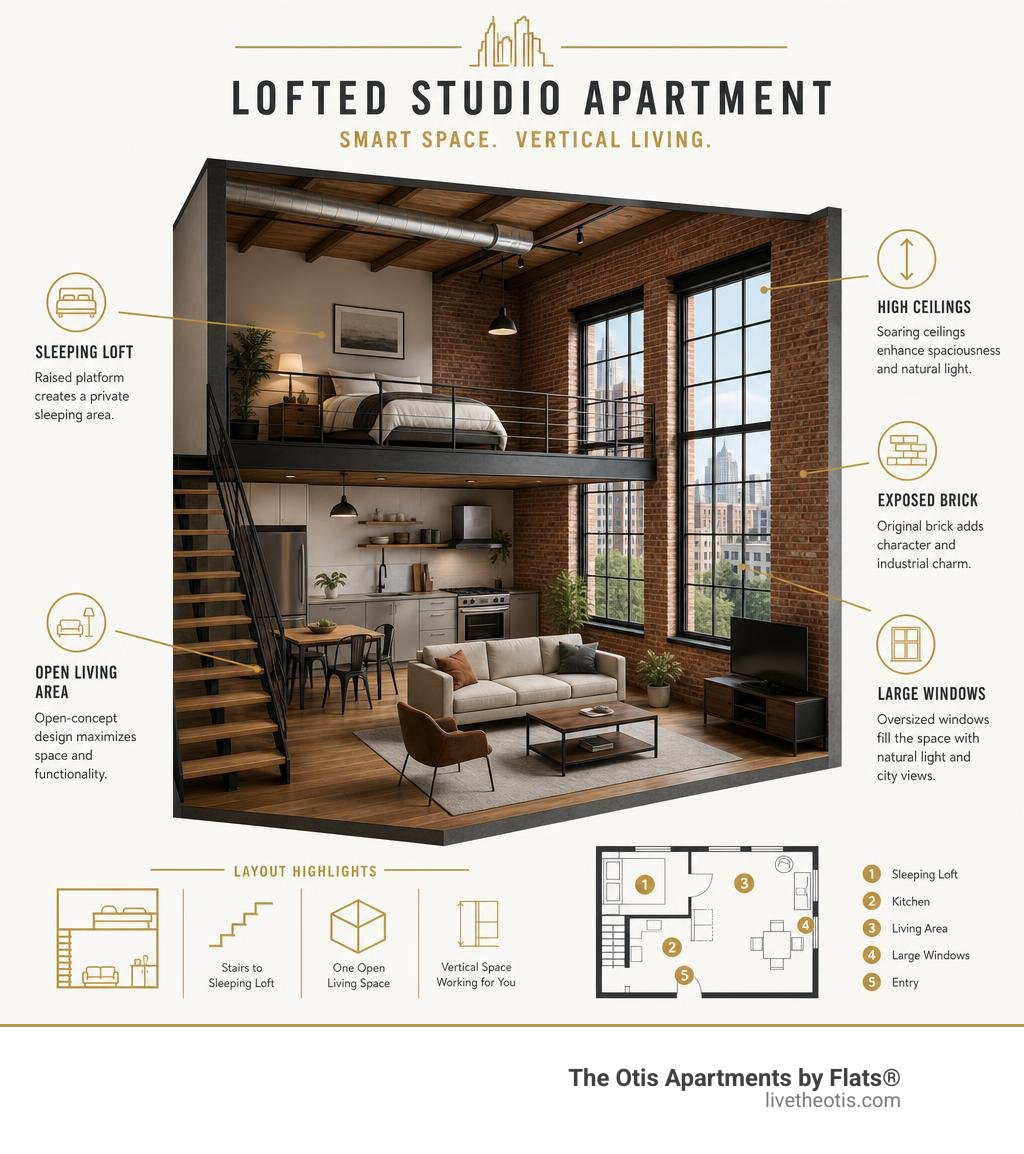
The primary appeal of a lofted studio apartment chicago layout lies in how it optimizes vertical space. While a traditional studio forces the living, dining, and sleeping quarters to share a single flat floor plane, a lofted studio introduces a second level. This distinct architectural division solves one of the most common complaints about studio living: the feeling of sleeping in the middle of the living room.
By elevating the sleeping platform, these layouts create a clear psychological boundary between daytime activities and nighttime rest. Utilizing a mezzanine level allows residents to enjoy the spaciousness of open-concept living while maintaining a private sanctuary for sleep. For a deeper understanding of how these layouts function in practice, a Loft Studio Apartments Rental Guide provides excellent structural overviews.
This vertical separation also opens up the floor plan below. High ceilings, which typically range from 12 to 19 feet, make even a compact footprint feel grand and airy. The abundance of vertical wall space allows for larger windows, which flood the apartment with natural light, highlighting the classic timber and brick textures. To explore why this format remains so popular, reviewing the Studio Apartment Benefits reveals how verticality enhances overall lifestyle functionality.
Architectural Features of a Lofted Studio Apartment Chicago
Chicago’s lofted studios are celebrated for their raw, tactile materials. Unlike standard drywall apartments, these spaces put their structural elements on display. Some of the most common architectural features include:
- Exposed Brick: Often showing decades of history, these walls add warmth, color, and acoustic insulation.
- Heavy Timber Beams: Massive wooden support pillars and ceiling joists, often salvaged from 19th-century industrial construction, provide a rustic, organic contrast to modern furniture.
- Concrete Ceilings: Found in later industrial conversions, poured concrete ceilings offer excellent soundproofing and a sleek, industrial aesthetic.
- Oversized Windows: Originally designed to maximize daylight in factory settings before widespread electricity, these massive windows are a signature element of any true Loft Apartment.
- Spiral Staircases or Custom Ladders: Accessing the elevated sleeping platform often requires a spiral staircase, a built-in wooden staircase with integrated storage, or a minimalist metal ladder.
Maximizing Space in a Lofted Studio Apartment Chicago
Living in a studio requires thoughtful spatial planning. Fortunately, the unique architecture of a lofted studio offers built-in opportunities for creative space maximization.
The mezzanine level itself is the ultimate space-saving tool. By moving the bed upstairs, the entire lower level is freed up for a full-sized sofa, a dining table, or a dedicated home office. The space directly beneath the loft is highly versatile; it is frequently utilized for walk-in closets, bathroom placement, or low-profile entertainment centers.
To keep the open floor plan organized, residents often use multi-functional furniture, such as storage ottomans, nesting tables, and room dividers that double as bookshelves. For practical layout inspiration and structural insights, referring to a Studio Apartment Listings Complete Guide or researching available Chicago Loft Rentals can help visualize these dynamic arrangements.
Historic Converted Lofts vs. Modern Soft Lofts
When searching for a lofted studio apartment chicago, renters generally choose between two distinct styles: historic converted lofts (often called "hard lofts") and modern soft lofts.
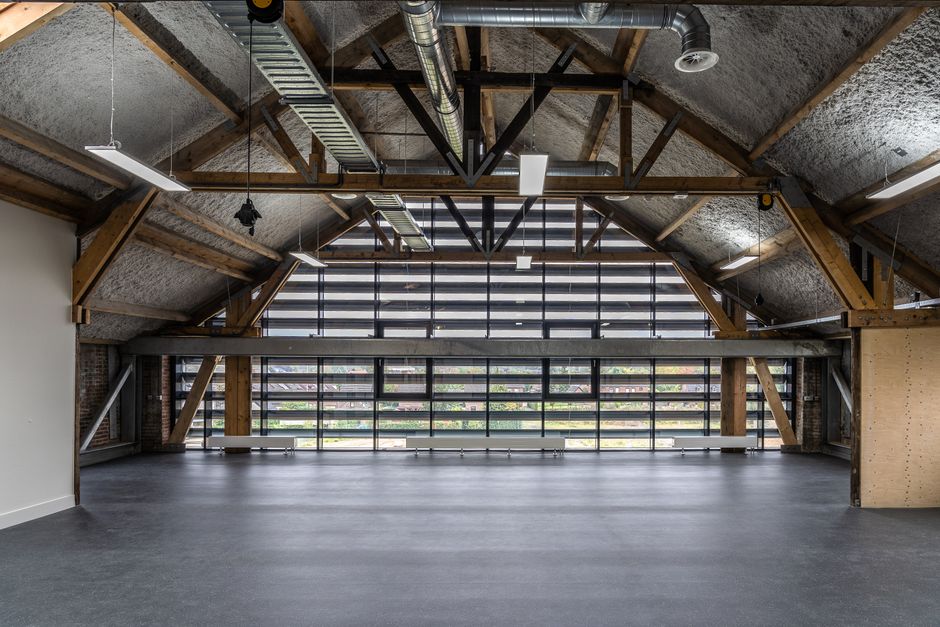
Historic conversions are true industrial relics. These are buildings that originally served as factories, warehouses, or schools before being retrofitted for residential use. In contrast, modern soft lofts are newly constructed buildings designed to mimic the open feel of a classic loft but with contemporary building materials and layouts.
Both options offer unique benefits depending on what a renter values most, whether it is historical character or modern conveniences. To explore these differences further, resources on the classic Loft Apartment or Modern Lofts Chicago provide excellent points of comparison.
Below is a detailed comparison of the two styles:
| Feature | Historic Converted Lofts ("Hard Lofts") | Modern Soft Lofts |
|---|---|---|
| Primary Materials | Exposed brick, heavy timber, original concrete, iron | Drywall, polished concrete, glass, steel |
| Ceiling Height | Extremely high (often 14–19 feet) | Moderately high (typically 10–12 feet) |
| Sound Insulation | Variable (timber transfers sound; concrete blocks it) | Generally excellent (modern construction standards) |
| In-Unit Laundry | Sometimes added during renovations, but not universal | Standard in almost all units |
| Architectural Quirks | Original chalkboards, warehouse doors, unique floor plans | Uniform layouts, clean lines, private balconies |
| Building Amenities | Often limited to basic rooftop decks or bike rooms | Extensive (fitness centers, pools, co-working lounges) |
Historic Conversions and Industrial Heritage
Chicago's historic conversions are a testament to the city's manufacturing legacy. Many of the most iconic loft buildings in the city once housed major industrial operations.
For example, some historic properties originally served as the Dr. Scholl's Manufacturing Company headquarters, spanning nearly 30 interconnected brick buildings that now feature timber ceilings, exposed brick, and large interior courtyards. Others, such as the historic Opera Lofts, once served as the workshop and warehouse for the Chicago Lyric Opera, where 16-foot concrete ceilings allowed massive stage backdrops to be painted and stored.
Similarly, the Pac Lofts in Bucktown were built in 1908 as the Felt & Tarrant Manufacturing Company before transitioning into an arts center and eventually into residential spaces. These buildings preserve history through original architectural elements, making Lofts Chicago for Rent highly desirable for those who appreciate historic authenticity.
Modern Soft Lofts and Contemporary Amenities
For renters who love the open feel of a loft but prefer modern construction, soft lofts are an ideal alternative. These buildings feature poured concrete floors, exposed ductwork, and high ceilings, but utilize drywall partitions to create slightly more defined living spaces.
Soft lofts rarely have the fully open, timber-framed structure of historic warehouses, but they compensate with exceptional modern amenities. In-unit washer and dryers, central heating and cooling systems, double-paned energy-efficient windows, and private balconies are standard features.
Additionally, soft loft buildings often include luxury community spaces, such as fully equipped fitness centers, package receiving rooms, and secure parking garages. Renters can explore these modern options by browsing curated lists of Chicago Loft Rentals.
Popular Chicago Neighborhoods for Loft Living
The neighborhood chosen for a loft search significantly influences the architectural style, building amenities, and surrounding culture.

While lofts can be found across the city, certain areas are renowned for their high concentration of historic industrial conversions and modern soft lofts. Whether looking on the trendy West Side or in the culturally rich South Side, understanding the neighborhood landscape is essential. Renters can begin their search by checking Loft Apartments for Rent in Chicago IL to see city-wide distribution.
West Loop and River North
The West Loop and River North are the historic epicenters of Chicago's loft culture. Once dominated by meatpacking plants, manufacturing warehouses, and shipping docks, these neighborhoods underwent massive revitalizations starting in the late 20th century.
Today, River North is famous for its art galleries, design showrooms, and historic timber lofts. The West Loop has transformed into a premier dining and employment hub, where old warehouses have been converted into luxury residences and corporate offices. Those interested in these high-demand areas can find options through Lofts for Rent in West Loop Chicago or look at broader listings via Loft Apartments for Rent and Lofts Chicago for Rent.
Pilsen and South Side Neighborhoods
For a vibrant, arts-forward community with deep historical roots, Pilsen is an exceptional choice. Pilsen’s industrial heritage is reflected in its historic brick warehouses, many of which have been converted into spacious artist lofts and residential communities. The neighborhood is celebrated for its colorful murals, local galleries, historic performance venues like Thalia Hall, and incredible dining scene.
Pilsen offers a unique blend of industrial architecture and rich cultural identity. Renters looking to move to this dynamic area can consult the Studio Apartments Pilsen Complete Guide or search specific regional listings on platforms like Loft Apartments for Rent in Pilsen, Chicago, IL | HotPads to find their perfect home.
Frequently Asked Questions About Chicago Lofted Studios
How does temperature control work in a lofted studio?
Temperature regulation in a lofted studio can differ from a traditional apartment due to the unique architecture. The primary factor is ceiling height. Because warm air rises, heating a space with 14- to 19-foot ceilings during a Chicago winter requires efficient air circulation.
To maintain comfortable temperatures, look for buildings with modern, energy-efficient HVAC systems and double-paned windows. Historic buildings that have been retrofitted with proper window insulation and ceiling fans (which help push warm air back down) generally offer more consistent climate control throughout the year.
Are pet policies different in historic loft buildings?
Pet policies are determined by individual building management rather than the age of the building, but loft properties are generally very accommodating to pets. Because of their open-concept layouts and durable concrete or hardwood flooring, lofts are highly practical for pet owners.
Most managed loft buildings in Chicago, including modern developments, have a strict two-pet limit per apartment. Many properties feature dedicated pet amenities, such as rooftop dog runs, pet washing stations, and close proximity to local parks. It is always recommended to verify specific pet fees, deposits, and breed restrictions before signing a lease.
How does seasonal demand affect loft availability in Chicago?
The Chicago rental market is highly seasonal. The peak rental season runs from May through August, coinciding with warm weather and academic cycles. During these months, inventory is at its highest, meaning renters will have the largest selection of lofted studios to choose from. However, competition is also fierce, and units rent very quickly.
During the late fall and winter months, inventory decreases, but there is far less competition. Renters who search during the off-peak season may find more flexible lease terms. Regardless of the season, landlords typically require standard application documents, including a government-issued photo ID, proof of income (usually 2.5 to 3 times the monthly rent), and a credit and background check.
Conclusion
Finding the perfect lofted studio apartment chicago is about balancing historic charm with modern functionality. Whether drawn to the heavy timber beams of a converted warehouse in Pilsen or the clean lines of a modern soft loft, Chicago’s housing stock offers incredible variety for those seeking an open-concept lifestyle.
For those looking to experience the best of Chicago loft living, FLATS properties offer beautifully designed spaces that honor the city's architectural history while providing modern conveniences. Located in the heart of the culturally rich Pilsen neighborhood, The Otis Apartments features stylish residences alongside premium community amenities, including a fully equipped fitness center and a stunning rooftop deck with panoramic skyline views.
To find a home that blends local heritage with modern luxury, Explore premium building amenities and discover the perfect floor plan today.