

Why Industrial Lofts Are Changing Urban Living
Industrial lofts are residential spaces created by converting former factories, warehouses, and manufacturing buildings into modern living quarters. These unique homes combine historic architectural elements with contemporary amenities, offering an alternative to traditional apartment living in vibrant urban neighborhoods.
Key Features of Industrial Lofts:
- Open floor plans with minimal interior walls
- High ceilings (typically 10+ feet)
- Large factory-style windows that flood spaces with natural light
- Exposed structural elements like brick walls, timber beams, and ductwork
- Raw materials including concrete floors and cast iron columns
- Flexible spaces that accommodate living, working, and creative pursuits
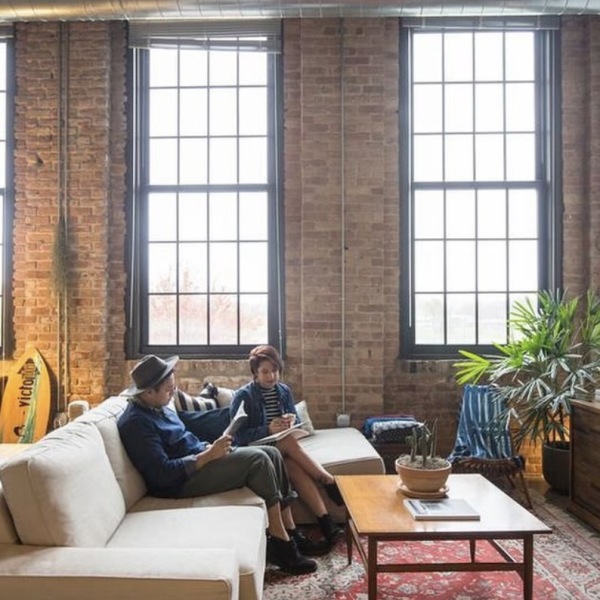
Sunlight streaming through oversized windows, exposed brick walls, and soaring ceilings create a sense of space that traditional apartments often cannot match. This is more than a living space—it's a connection to history, a blank canvas for personal expression, and a lifestyle choice that combines both industrial heritage and modern comfort.
The conversion of industrial buildings into residential lofts began in earnest during the 1960s and 1970s, when artists in neighborhoods like New York's SoHo sought out space in abandoned factories. What began as a practical solution for artists seeking large, open spaces evolved into a sought-after lifestyle. Today, industrial lofts represent a perfect blend of adaptive reuse—the practice of preserving architectural heritage while creating modern living spaces—and urban revitalization.
These spaces appeal to professionals, creatives, and anyone who values authentic character over cookie-cutter design. The raw, utilitarian elements that once served manufacturing purposes now create distinctive homes with personality and charm. From former carpet mills to elevator factories, each building tells a story while offering the flexibility that modern life demands.
The Anatomy of an Industrial Loft: Key Architectural Elements
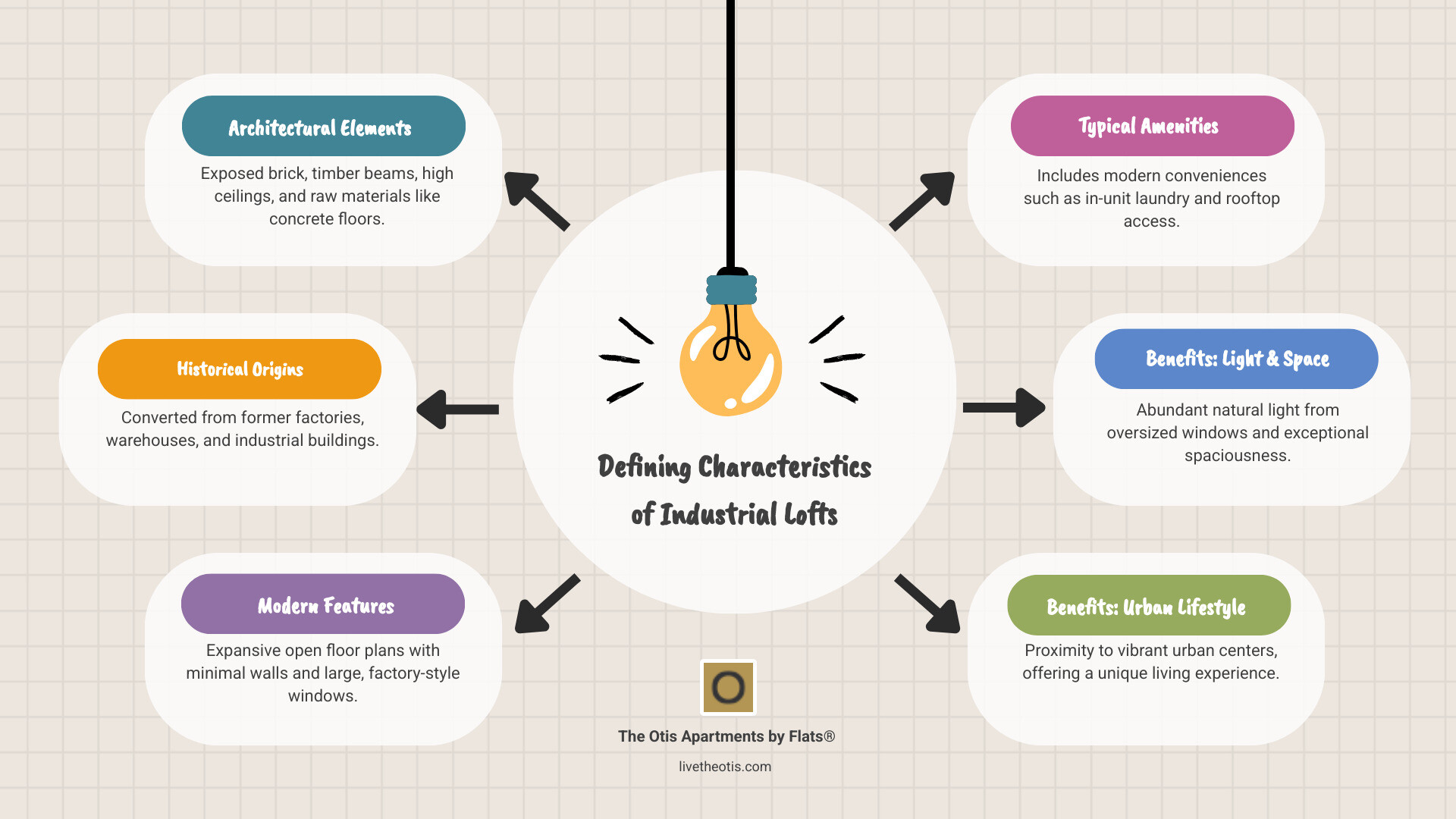
Stepping into an industrial loft reveals its unique architectural integrity. These spaces are defined by a commitment to preserving the raw materials and structural elements of their past, while simultaneously embracing open-concept living for modern sensibilities. The result is a home that feels both grounded in history and effortlessly contemporary.

One of the most defining characteristics of an industrial loft is its soaring high ceilings, often reaching 10 to 22 feet. These impressive heights contribute to an airy, expansive feel, making even smaller footprints feel grand. Complementing this verticality are the large, factory-style windows that were originally designed to illuminate vast industrial workspaces. Today, these windows flood living spaces with abundant natural light, offering stunning urban vistas and blurring the lines between indoors and out.
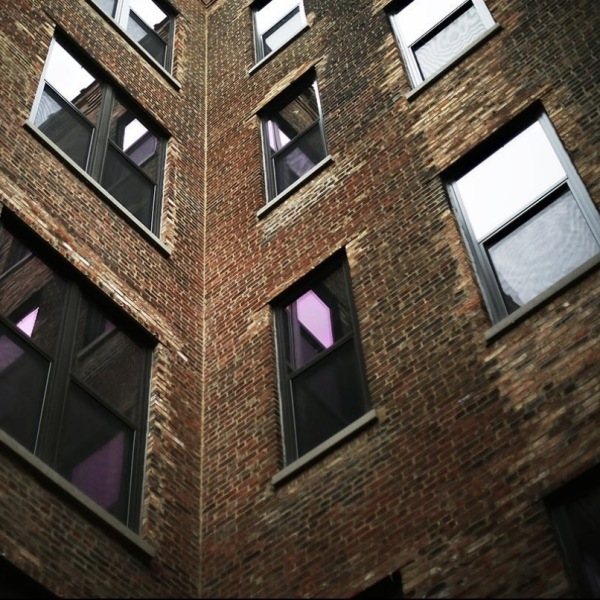
The walls often showcase exposed brick, a hallmark of industrial architecture that adds texture, warmth, and a sense of history. These brick walls serve as a beautiful backdrop for any design aesthetic, from minimalist to maximalist. Another striking feature is the presence of exposed beams and their rustic appeal. These structural elements, often made of heavy timber or steel, not only recall the building's robust past but also add a rugged, authentic charm to the interior. Similarly, exposed ductwork, pipes, and conduits contribute to the industrial aesthetic, often painted or left in their natural state to highlight their utilitarian beauty.
The flooring in industrial lofts typically consists of durable materials like polished concrete or original wide plank hardwood. These surfaces are not only practical but also enhance the raw, unpolished feel that defines the style. Cast iron columns, remnants of the building's original load-bearing structure, often stand as sculptural elements within the open floor plan, serving as conversation pieces and anchors within the space. For those seeking to maximize verticality, many industrial lofts incorporate mezzanine levels, creating distinct sleeping areas or home offices that float above the main living space. This ingenious use of space adds both functionality and a dynamic visual dimension.
What Defines the Style of Industrial Lofts?
The style of industrial lofts is often described as an industrial-chic aesthetic, a captivating blend of raw and refined elements. It draws from the building's utilitarian origins, celebrating the beauty of function and exposed infrastructure. This often translates into a minimalist approach, where clutter is eschewed in favor of clean lines and purposeful design. However, the inherent flexibility of these spaces allows for a wide range of personal expressions.
The core appeal lies in the contrast between old and new – the rough texture of exposed brick against sleek, modern appliances; the warmth of aged timber juxtaposed with cool, metallic finishes. This dynamic interplay creates a truly distinctive living environment. These spaces are designed to be adaptable, offering immense flexibility for various uses, from vibrant living areas to dedicated creative studios. For those seeking visual inspiration for industrial lofts, examples often blend these raw elements with contemporary furnishings, creating a comfortable yet stylish urban sanctuary.
From Factory to Home: The History and Adaptive Reuse of Industrial Lofts
The story of industrial lofts is deeply intertwined with the historical context of urban development. Many of these buildings trace their origins back to the Industrial Revolution, when cities like Chicago were busy centers of manufacturing and commerce. Vast factories, warehouses, and mills lined waterways and railway lines, shaping the economic and physical landscape of urban areas.
As industries shifted and manufacturing moved away from city centers, many of these magnificent structures stood vacant, their utilitarian beauty often overlooked. It was during the mid-20th century, particularly in the 1960s and 70s, that artists and creatives began to recognize the potential of these abandoned spaces. Drawn by the expansive square footage, high ceilings, and abundant natural light, they transformed these former workplaces into living and studio spaces, giving rise to the "SoHo artist lofts" phenomenon. This organic movement marked the beginning of a significant urban renewal trend.

Today, the conversion of these industrial behemoths into residential and mixed-use properties is a prime example of adaptive reuse. This practice involves repurposing existing buildings for new functions while preserving their historical and architectural character. Adaptive reuse is more than just renovation; it's a commitment to the preservation of historic buildings, breathing new life into structures that tell a vital part of a city's story. This thoughtful approach contributes significantly to urban revitalization efforts, transforming once-neglected industrial zones into vibrant, sought-after neighborhoods.
The Benefits of Adaptive Reuse
The adaptive reuse of industrial buildings offers a multitude of benefits that extend beyond aesthetics and unique living spaces. One of the most significant advantages is enhanced sustainability. Modern renovations often incorporate energy-saving technologies in renovations, such as improved insulation, high-performance windows, and efficient HVAC systems. This leads to a reduced environmental impact compared to new construction, as it lessens the demand for new materials and energy-intensive building processes.
By choosing to repurpose existing structures, the preservation of a neighborhood's character is supported. Each converted factory or warehouse maintains a tangible link to the past, preventing the demolition of historically significant buildings and retaining the unique architectural fabric of cities. This approach aligns perfectly with sustainable design practices in urban housing, promoting a more circular economy in construction and urban development. Adaptive reuse is a profound contribution to cultural heritage, ensuring that the stories embedded in urban architecture continue to inspire future generations.
The Loft Lifestyle: Benefits and Considerations
Living in an industrial loft offers a lifestyle that is truly distinct. The unique character comes from inhabiting a space with history, where exposed brick and timber beams tell a story. The spaciousness of an open floor plan provides an unparalleled sense of freedom and flexibility, allowing residents to design their homes without the constraints of traditional segmented layouts.
The abundant natural light streaming through large, factory-style windows is another cherished benefit. This not only creates a bright and inviting atmosphere but also connects residents more deeply to the rhythm of the city outside. The inherent flexibility of industrial lofts makes them ideal for live/work arrangements, providing ample space for dedicated home offices, art studios, or creative workshops without compromising living areas. Furthermore, these lofts are typically found in revitalized urban centers and former manufacturing hubs, placing residents in close proximity to dynamic cultural attractions, dining, and public transportation.
Considerations for Loft Living
While the allure of industrial lofts is undeniable, this unique lifestyle comes with its own set of considerations. The open-concept design, while spacious, can sometimes lead to challenges with noise transfer. Sound tends to travel freely within these expansive spaces, which is something to consider if absolute quiet is a priority.
Heating and cooling large, high-ceilinged spaces can also require a different approach than in traditional apartments. Modern loft conversions often feature efficient HVAC systems, but maintaining a comfortable temperature across such a large volume of air is a factor to consider. The maintenance of historic elements, such as exposed brick and original windows, sometimes requires specialized care to preserve their integrity and charm.
Finally, the very openness that defines industrial lofts can present layout challenges for those accustomed to more defined rooms. Creating distinct zones for living, dining, and sleeping requires thoughtful furniture placement and design. Similarly, privacy considerations, particularly in very open floor plans, are often addressed through clever partitioning or strategic use of furniture to delineate personal spaces.
Decorating and Furnishing Your Industrial Loft
Decorating an industrial loft is an exciting opportunity to maximize its inherent potential, blending its raw aesthetic with personalized comfort. The key is to strike a balance, celebrating the industrial elements while infusing the space with warmth and personality.
Here are some decorating tips for an industrial loft:
- Soft textiles: Introduce plush rugs, throws, and upholstered furniture to soften the hard edges of brick and concrete.
- Greenery and plants: Create an "urban jungle" effect with an abundance of plants, both real and high-quality faux, to add life and color. Unique DIY pipe racks can be used to create stunning plant walls.
- Leather and steel accents: Incorporate classic industrial materials like leather sofas and steel-framed furniture, which complement the raw backdrop beautifully.
- Statement lighting: Industrial-inspired lighting fixtures, such as bare bulbs, metal pendants, or track lighting, can enhance the aesthetic and provide ample illumination.
- Area rugs to define spaces: In open floor plans, rugs are invaluable for visually delineating different zones, such as a living area from a dining space.
- DIY decor elements: Personalize a loft with creative DIY projects, like shelving units made from pipes, which echo the industrial theme.
- Furniture scale: Choose furniture pieces that are appropriately scaled for the expansive space. Oversized pieces can feel right at home in a large loft, preventing the space from feeling cavernous.
Creating a Cohesive Design
Achieving a cohesive design in an industrial loft often involves embracing an industrial modern style, which marries the grit of the factory floor with contemporary sophistication. Maximalist touches can also be woven in, layering books, art, and personal collections to create a rich, narrative-filled environment. Vintage elements, such as antique furniture or reclaimed wood pieces, can further enhance the historical charm.
In an open plan, creating zones is paramount. This is achieved by strategically arranging furniture to define distinct areas for living, dining, and working. For example, a large sectional sofa can anchor a living room, while a console table or bookshelf might act as a subtle divider. Gallery walls, featuring a mix of art, photographs, or even house plants on modern shelves, are excellent for adding character and visual interest to those vast brick walls. Filling the home with personal collections and items that bring joy can ensure an industrial loft truly feels like home.
Where to Find Industrial Lofts: Urban Hotspots
Industrial lofts are predominantly found in urban centers, particularly in areas that were once thriving manufacturing hubs. These neighborhoods, rich in history, have undergone significant change, evolving into vibrant communities known for their unique blend of historic architecture and contemporary amenities. Cities across the country boast impressive collections of industrial loft conversions, each telling a distinct story of urban revitalization.
Focus on Chicago's Pilsen Neighborhood
In Chicago, a city with a profound industrial heritage, the Pilsen neighborhood stands out as a prime example of a thriving industrial loft hotspot. Once a busy industrial district, Pilsen has undergone a remarkable transformation, becoming one of Chicago's most vibrant and culturally rich residential areas. This evolution is a testament to the power of adaptive reuse and community-driven revitalization.
Pilsen is now renowned for its dynamic arts and culture scene, particularly as the heart of the Chicago Arts District. Here, former factory buildings have been reimagined as art galleries, studios, and live/work spaces, fostering a thriving creative community. Residents enjoy events like 2nd Fridays Gallery Night, where local artists open their studios to the public, showcasing a diverse range of work. The neighborhood is also celebrated for its stunning street art, colorful murals, and the nationally recognized National Museum of Mexican Art, which serves as a cultural cornerstone.
Beyond its artistic flair, Pilsen offers excellent walkability and a strong sense of community vibrancy. Its streets are lined with eclectic boutiques, innovative eateries, and cozy cafes, all contributing to a lively urban atmosphere. For those seeking industrial lofts in Chicago, Pilsen provides a unique lifestyle that blends historic charm, artistic energy, and modern convenience, all within easy reach of downtown.
Frequently Asked Questions about Industrial Lofts
This section addresses some of the most common inquiries about what makes industrial lofts so special and how they fit into a modern, sustainable lifestyle.
How are industrial lofts different from traditional apartments?
Industrial lofts stand apart from traditional apartments in several key ways. The most striking difference lies in their distinctive historic elements; while traditional apartments often feature standard drywall and conventional layouts, lofts feature exposed brick walls, timber beams, and original cast iron columns that reflect their past lives as factories or warehouses.
Furthermore, lofts are characterized by their expansive open floor plans, providing a vast, flexible space with minimal interior walls. This contrasts sharply with the segmented layouts typical of traditional apartments, which tend to have clearly defined, smaller rooms. The ceiling height in industrial lofts is notably higher, often exceeding 10 feet, creating an unparalleled sense of volume and airiness. Coupled with this are the oversized, factory-style windows that flood the space with natural light, a feature rarely matched in conventional apartment designs. It is this unique character—the blend of raw industrial aesthetics with modern comfort—that truly sets industrial lofts apart.
Are industrial lofts a sustainable living option?
Yes, industrial lofts are often considered a highly sustainable living option, primarily due to the benefits of adaptive reuse. By converting existing industrial buildings into residential spaces, the environmental impact associated with new construction is significantly reduced. This includes conserving raw materials, minimizing construction waste, and avoiding the energy-intensive processes of building from the ground up.
Adaptive reuse projects also enhance the building's performance, especially when modern energy-efficient upgrades are integrated. For instance, renovations often include improved insulation, high-performance windows, and updated HVAC systems, which can significantly improve energy efficiency and reduce the building's overall carbon footprint.
Moreover, the preservation of existing structures maintains the cultural and architectural heritage of cities, fostering urban revitalization rather than urban sprawl. This commitment to repurposing and upgrading existing infrastructure positions industrial lofts as an environmentally conscious and forward-thinking choice for urban living.
What are common amenities in modern industrial loft buildings?
Modern industrial loft buildings, especially those in dynamic urban neighborhoods like Chicago's Pilsen, are designed to offer residents a comprehensive and convenient lifestyle. Many feature a range of desirable amenities that enhance the living experience.
Common amenities include:
- Rooftop decks: These provide residents with valuable outdoor space, often featuring stunning city views, communal seating, and grilling areas for relaxation and entertaining.
- Fitness centers: On-site gyms equipped with modern exercise machines and weights allow residents to maintain an active lifestyle without leaving the building.
- In-unit laundry: The convenience of having a washer and dryer within the apartment is a highly sought-after amenity.
- Modern kitchens: Lofts typically feature contemporary kitchens with updated appliances, sleek countertops, and ample storage, blending seamlessly with the open-plan design.
- Controlled access: Security is a priority, with controlled access systems ensuring resident safety and peace of mind.
- Parking options: Given their urban locations, many loft buildings offer convenient parking solutions, such as on-site garages or dedicated parking lots.
These amenities, combined with the unique architectural character of industrial lofts, create a truly elevated urban living experience.
Conclusion
Industrial lofts represent a compelling and unique option for urban dwellers, offering a rare blend of history, style, and expansive space. These distinctive homes, born from the adaptive reuse of former industrial buildings, celebrate their utilitarian past while providing all the comforts and conveniences of modern living. From their soaring ceilings and exposed brick walls to their flexible open floor plans and abundant natural light, industrial lofts offer a canvas for personal expression unlike any other.
The choice to live in an industrial loft is more than just selecting a residence; it's embracing a unique urban living experience that connects residents to the heart of a city's heritage. As seen in vibrant neighborhoods like Chicago's Pilsen, these spaces contribute to urban revitalization, foster creative communities, and represent a sustainable approach to development. For those drawn to the authentic character, spaciousness, and modern amenities that define this lifestyle, a range of possibilities awaits.
FLATS provides industrial loft living options that blend history and modernity.