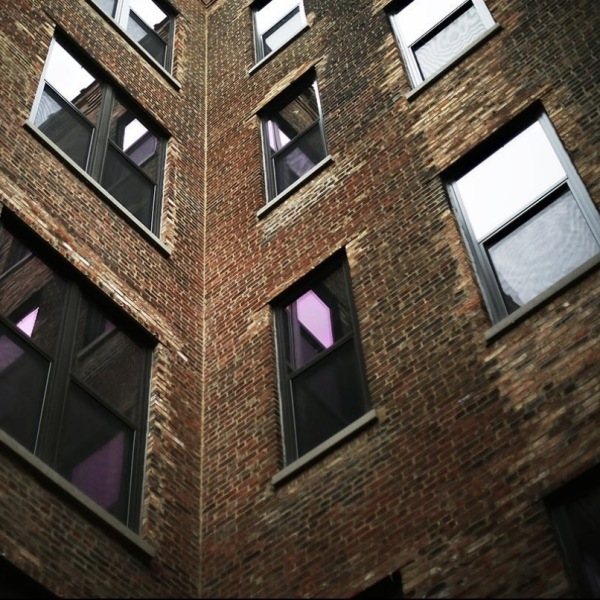


Why Chicago Warehouse Lofts Are Redefining Urban Living
Chicago warehouse lofts for rent offer a unique blend of industrial character and modern comfort not often found in traditional apartments. These converted spaces preserve the city's manufacturing heritage while meeting contemporary urban living standards.
Quick Answer: What Makes Chicago Warehouse Lofts Special?
- High Ceilings: Typically 14-17 feet, creating spacious, airy interiors
- Exposed Elements: Original brick walls, timber beams, and industrial ductwork
- Large Windows: Massive factory windows flood spaces with natural light
- Open Floor Plans: Minimal interior walls allow flexible living arrangements
- Historic Neighborhoods: Concentrated in West Loop, Fulton Market, River North, and South Loop
- Modern Amenities: In-unit laundry, fitness centers, and rooftop decks in updated buildings
These spaces tell Chicago's story. Former department store warehouses, shipping facilities, and manufacturing plants have been transformed into sought-after homes. The city currently has 1,026 loft apartments available for rent, each offering something traditional apartments cannot match.
The appeal extends beyond aesthetics. Open layouts that once accommodated machinery now allow residents to create distinct zones for work, relaxation, and entertainment—all within one flowing space. Factory windows that once lit assembly lines now provide a level of natural brightness most apartments struggle to achieve.
Whether it's a hard loft with authentic industrial bones, a soft loft with modern construction mimicking the style, or a timber loft showcasing exposed wood beams, Chicago's converted warehouse spaces offer character that reflects an active, creative lifestyle.
What Defines a Warehouse Loft? The Anatomy of Industrial-Chic Living
Chicago warehouse lofts for rent refer to a distinct architectural style that blends the city's robust industrial past with contemporary residential design. These spaces are more than just apartments; they are canvases for living, characterized by a unique set of architectural elements that celebrate their origins.
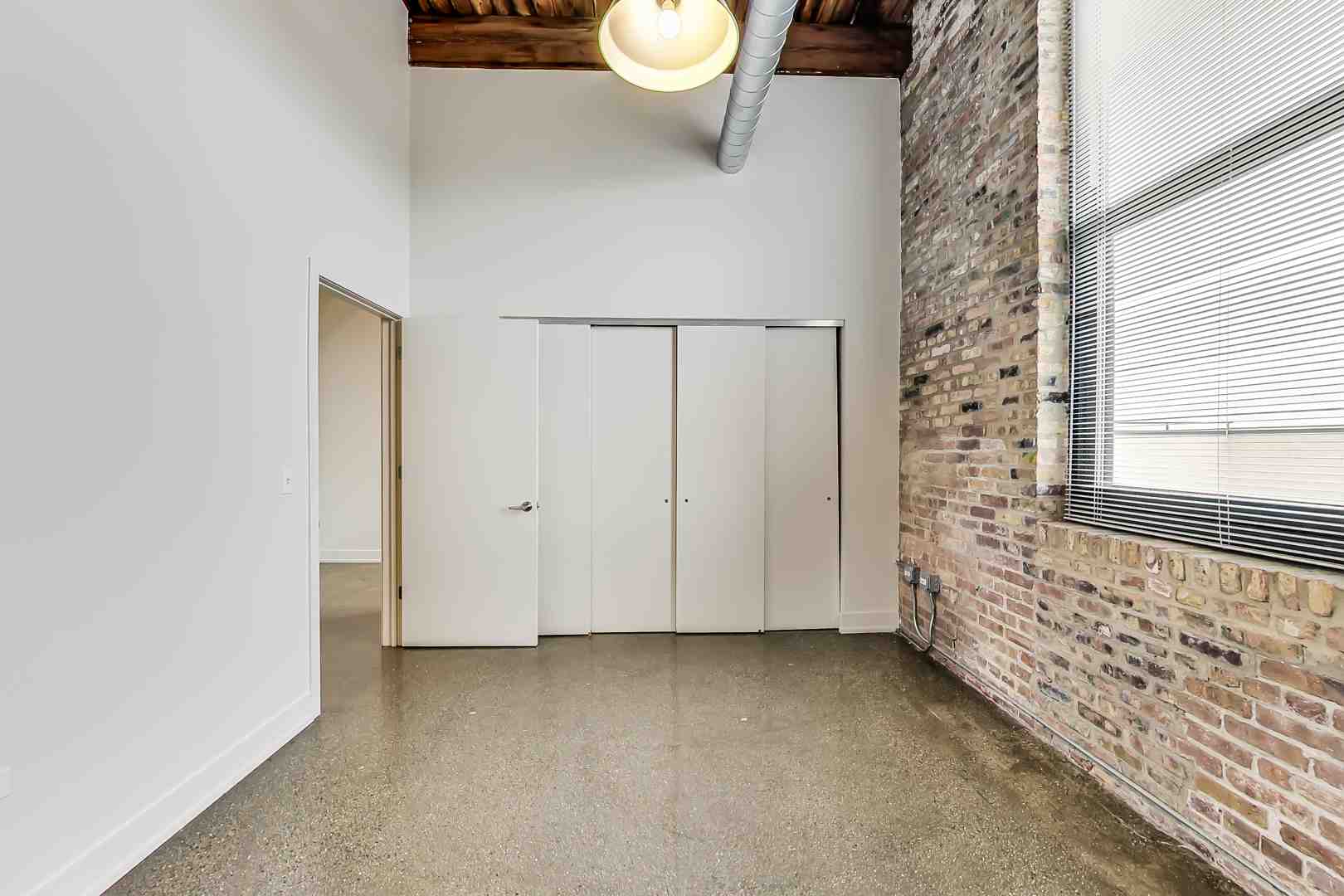
At the heart of a warehouse loft's appeal are its foundational elements. In these spaces, history is visibly etched into the very structure. Exposed brick walls are often the first thing to catch the eye, serving as natural artwork that adds texture and warmth. These are not merely decorative but are remnants of the building's original facade. Alongside the brick, sturdy timber beams or robust concrete floors and columns, which once bore the weight of heavy machinery, are now integral to the aesthetic, providing a raw, authentic charm.
One of the most defining characteristics of these lofts is their soaring ceilings, typically ranging from an impressive 14 to 17 feet. This exceptional vertical space makes even more compact floor plans feel expansive and airy. This height allows for abundant natural light to flood the interiors through massive factory windows. Originally designed to illuminate industrial workspaces, these oversized windows now bathe living areas in a radiant glow, creating an uplifting environment.
The design philosophy often accepts Open Floor Plans, where minimal interior walls create a seamless flow between living, dining, and sleeping areas. This openness provides unparalleled flexibility, allowing residents to configure their space to match their lifestyle. Whether it's creating a dedicated workspace, a cozy reading nook, or an expansive entertainment zone, the possibilities are vast. Finally, exposed ductwork adds to the authentic aesthetic, contributing to the overall Industrial Loft appeal. These are not just apartments; they are pieces of Chicago's industrial legacy, transformed for contemporary life.

Hard Lofts vs. Soft Lofts vs. Timber Lofts
To appreciate chicago warehouse lofts for rent, it's helpful to understand the nuances between the different types of lofts available. While they all share a common thread of industrial inspiration, their origins and specific characteristics set them apart.
Lofts are typically categorized into three main types:
Hard Lofts: These are the authentic conversions, born from genuinely industrial buildings like former factories, warehouses, or commercial spaces. They retain many of their original, rugged features, such as concrete floors, exposed brick walls, visible steel beams, and large factory windows. Hard lofts embody the raw, unpolished beauty of their past, offering a distinct sense of history and character. They represent a piece of Chicago's architectural heritage.
Soft Lofts: In contrast, soft lofts are newer constructions designed to mimic the industrial aesthetic without necessarily originating from an old industrial building. They often feature high ceilings, large windows, and design elements like exposed ductwork and industrial-inspired finishes. While they may lack the gritty authenticity of a hard loft, soft lofts often come with the benefits of modern construction, such as improved insulation, updated infrastructure, and contemporary amenities. They offer the loft look with a more polished feel.
Timber Lofts: This category is defined by its distinctive use of wood. Timber lofts originate from buildings constructed with heavy timber frames, often former factories or commercial spaces. Their signature features include sturdy wooden beams and timber-clad ceilings, which create a warmer, more inviting, and often more residential atmosphere compared to the more austere feel of some hard lofts. The exposed wood adds a rich texture and a unique charm.
The choice between these types often comes down to personal preference for authenticity versus modern convenience, or the specific aesthetic that resonates most with a resident's style. Regardless of the type, all lofts typically boast Lofts With High Ceilings, a hallmark of this unique living experience.
| Feature | Hard Lofts | Soft Lofts | Timber Lofts |
|---|---|---|---|
| Origin | Authentic conversions of old industrial buildings | New construction or modern renovations | Conversions of heavy timber-framed buildings |
| Key Materials | Exposed brick, concrete, steel beams, large factory windows | High ceilings, large windows, exposed ductwork, modern finishes | Exposed wooden beams, timber ceilings, exposed brick |
| Overall Aesthetic | Raw, authentic, historical, industrial | Modern, sleek, industrial-inspired | Warm, rustic, inviting, classic |
Hotspots for Chicago Warehouse Lofts for Rent
Chicago's rich industrial past has left a remarkable legacy of buildings ripe for change, creating vibrant hubs for chicago warehouse lofts for rent. These neighborhoods, once centers of manufacturing and commerce, have been revitalized into some of the city's most sought-after residential areas.
When exploring where to find these distinctive homes, certain areas consistently rise to the top. The West Loop, Fulton Market, River North, and South Loop are widely recognized for their high concentration of warehouse-style apartments. These neighborhoods have undergone significant redevelopment, blending their historical architecture with trendy urban amenities. Beyond these, notable loft communities are also found in Pilsen, Lincoln Park, River West, and Lakeview, each offering a unique flavor of loft living within their distinct neighborhood character.
Exploring Iconic Loft Neighborhoods
Each of Chicago's loft-centric neighborhoods offers a unique lifestyle, deeply influenced by its historical roots and modern evolution.
West Loop: Once Chicago's busy meatpacking district, the West Loop has transformed into a vibrant, high-energy neighborhood. It's famous for its "Restaurant Row" along Randolph Street, offering an unparalleled dining scene. The area's warehouse conversions often feature industrial elements like exposed brick and timber beams, appealing to those who appreciate a chic, urban aesthetic combined with culinary excellence.
Fulton Market: Adjacent to the West Loop, Fulton Market has evolved from a historic meatpacking and produce market into a tech and culinary hub. It's home to major corporate headquarters and a thriving artisanal business scene. Here, old factories and warehouses have been carefully converted into residential lofts, blending their historical charm with modern luxury, creating a dynamic environment for residents.
River North: This neighborhood, once an industrial district, now boasts the largest concentration of art galleries outside of Manhattan. Its warehouse buildings have been reimagined into sophisticated residential lofts, offering residents proximity to a vibrant arts scene, upscale dining, and the scenic Chicago Riverwalk. River North delivers a perfect blend of sophistication and excitement.
South Loop: Offering a unique urban experience, the South Loop provides fantastic access to Chicago's beloved 18-mile Lakefront Trail and the iconic Museum Campus. Research from the Museum Campus Working Group highlights how proximity to cultural institutions significantly improves quality of life. Many of its warehouse conversions provide residents with easy access to museums, parks, and the lakefront, blending cultural immersion with an active lifestyle.
Pilsen: With its rich artistic community and vibrant cultural scene, Pilsen's industrial past has been creatively transformed. Many of its warehouses have been converted into sought-after rental lofts and artist live/work spaces. Pilsen's lofts often celebrate architectural elements like massive timber beams and exposed brick, alongside colorful murals and local art. The Lofts Pilsen Chicago Guide offers a deeper dive into this unique neighborhood.
Lincoln Park, River West, and Lakeview: While perhaps not as historically industrial as the West Loop or Fulton Market, these neighborhoods also feature distinctive loft conversions. Lincoln Park and Lakeview offer lofts within a more traditionally residential and green setting, often appealing to those seeking a balance of urban amenities and community feel. River West provides a more intimate, yet equally vibrant, urban experience with its own share of unique loft spaces.
Notable Building Conversions and Their History
Chicago's architectural landscape is a testament to its innovative spirit, particularly evident in the adaptive reuse of its industrial buildings. Many of the most sought-after chicago warehouse lofts for rent are housed within structures that once served entirely different purposes.
Department store warehouses, like former Marshall Field's facilities, have been carefully transformed into residential spaces that preserve their retail history. Similarly, old shipping and freight buildings, which once supported Chicago's role as a transportation hub, now offer unique living environments. For example, some prominent 1900s warehouses that once supported the city's shipping industry have been converted into hundreds of units with dozens of different floor plans.
Manufacturing plants, from garment factories to printing presses, have also found new life as residential lofts. These conversions are a powerful form of adaptive reuse, preserving Chicago's rich industrial heritage while creating dynamic, modern homes. Each building tells a story, with its exposed brick, timber beams, or concrete structures serving as a tangible link to the city's past.
Timber loft buildings feature exposed wood beams and brick walls that create a warmer, more residential feel. In Fulton Market, some converted warehouses exemplify modern luxury, showcasing how industrial bones can be paired with high-end finishes.
The conversion of these buildings ensures that no two warehouse apartments are exactly alike, each maintaining unique architectural quirks and a distinct personality. This commitment to preserving the past while embracing the future is what makes Loft Spaces Chicago so compelling.
The Loft Lifestyle: Benefits and Modern Comforts
Choosing chicago warehouse lofts for rent means embracing a lifestyle that is as unique and dynamic as the city itself. These spaces offer a compelling blend of benefits, making them ideal for a diverse range of residents.
One of the most immediate advantages is the sheer flexibility of the living space. The hallmark open floor plans, coupled with soaring ceilings and expansive windows, create an environment that feels incredibly spacious and adaptable. Residents often skillfully delineate different zones for living, working, and dining, all within one flowing area. This allows for personalized configurations that perfectly suit individual or household needs, whether it's a dedicated art studio, a home office, or an elaborate entertainment space. This adaptability is particularly appealing for an [Artist Loft For Rent Chicago], where creative endeavors can flourish.
Abundant natural light is another significant draw. The massive factory windows, a signature feature of warehouse conversions, flood these homes with daylight, creating a bright and airy atmosphere. This not only improves the aesthetic appeal but also contributes to a more uplifting living environment. The unique character embedded in every brick and beam of a converted warehouse creates an inspiring and invigorating home that traditional apartments simply cannot replicate.
The flexibility of these spaces appeals to various lifestyles. The open layouts can be configured for both work and entertainment, promoting a sense of connection while also allowing for separate, dedicated zones. Many buildings are also pet-friendly, commonly allowing up to two pets per unit. It is not uncommon to find pet-friendly amenities like on-site pet washing stations or convenient access to nearby parks, ensuring four-legged residents can enjoy their urban home too.
Blending Historic Charm with Modern Amenities
The beauty of chicago warehouse lofts for rent lies in their ability to seamlessly blend the raw, authentic charm of their industrial past with the comfort and convenience of modern living. Today's converted lofts are thoughtfully updated to meet and exceed contemporary expectations.
Residents can expect a suite of modern amenities designed to improve their daily lives. In-unit laundry is now a standard convenience, as are high-end kitchens equipped with stainless steel appliances and neat countertops. Many lofts also incorporate smart home technology, allowing for effortless control over lighting, climate, and security.
Beyond the individual units, many loft buildings offer a range of shared amenities that transform the living experience into something truly exceptional. State-of-the-art fitness centers and yoga studios provide convenient options for maintaining an active lifestyle. Rooftop decks and landscaped terraces offer stunning city views, often equipped with grilling facilities and comfortable seating, perfect for social gatherings or quiet contemplation. Co-working lounges and private conference rooms cater to the growing number of residents who work remotely, providing professional spaces just steps from home.
Efficient package receiving systems, often featuring smart lockers, ensure secure and convenient delivery of online orders. Luxury Building Amenities that go above and beyond are frequently seen, including resident lounges, bike storage, and even pet spas. The integration of these modern conveniences means that residents of Chicago warehouse lofts enjoy a home steeped in history, yet equipped for the demands of modern urban living.
Your Search Strategy: How to Find and Secure a Loft Rental
Finding the perfect chicago warehouse lofts for rent requires a strategic approach, blending online research with in-person exploration. With a clear plan, you can effectively steer the market and secure a home that truly suits your lifestyle.
A good starting point for a search is utilizing comprehensive online rental platforms. These platforms typically offer advanced search filters that allow you to narrow down options by specific features like high ceilings, exposed brick, or pet-friendly policies. Map-based searches are particularly useful for identifying lofts within your preferred neighborhoods or close to specific points of interest.
Once you've identified potential properties, take advantage of the various viewing options available. Virtual tours, 3D walkthroughs, and video tours provide an immersive look at a space, giving you a strong initial impression of its layout and character. For those ready to begin their search, SCHEDULE A SHOWING provides access to available warehouse-style apartments with convenient online booking.
Self-guided tours are also a good option where possible, as they offer flexibility and allow you to explore at your own pace. A crucial tip for any loft hunter is to visit buildings at different times of day. This helps you understand how natural light changes throughout the space and provides insight into the neighborhood's ambiance at various hours. By combining these methods, you can gain a comprehensive understanding of each property and its surroundings. For a deeper dive into the rental process, explore our guide on Chicago Loft Rentals.
The Renter's Checklist for chicago warehouse lofts for rent
Before signing a lease for a warehouse loft, renters should consider several specific factors to ensure the space meets their expectations and needs. These unique properties come with their own set of considerations that differ from traditional apartments.
- Sound Insulation: Given their industrial origins, some converted lofts may have varying levels of sound insulation. Inquiring about soundproofing measures and, if possible, visiting the unit during different times of the day to gauge noise levels is recommended.
- Window Orientation: Large factory windows are a blessing for natural light but can impact temperature control and privacy. Consider the unit's orientation to understand how sunlight will enter throughout the day and assess any potential need for window treatments.
- Storage Solutions: Open floor plans, while spacious, sometimes come with less built-in storage than traditional apartments. Evaluate the available closet space and consider how you might incorporate furniture-based storage solutions to keep your home organized.
- Parking Availability: Parking in urban areas can be a significant consideration. It is advisable to inquire about on-site parking options, availability, and any associated fees or waiting lists.
- Utility Considerations: Due to high ceilings and large windows, utility costs for heating and cooling can sometimes differ from those in standard apartments. Asking about historical utility bills for the specific unit is recommended to get an accurate estimate.
- Building History and Lease Terms: Understanding the building's history, any recent renovations, and the flexibility of lease terms (e.g., options for modifications to the space) can be beneficial.
By addressing these points, you can make an informed decision and ensure your warehouse loft truly feels like home.
Understanding the Application Process for chicago warehouse lofts for rent
The application process for chicago warehouse lofts for rent is designed to be thorough and transparent, ensuring a smooth transition for new residents. While specific requirements may vary slightly by property, the general steps can be outlined.
First, you'll need to gather the necessary documents. This typically includes a valid government-issued ID, proof of income, and bank statements. A positive rental history is sought, and credit and background checks are often conducted. A solid credit history is generally preferred.
Obtaining renters insurance is strongly recommended, as it protects your personal belongings and provides liability coverage.
The application process usually moves quickly once all required documentation is submitted. Having your paperwork ready will help you steer the process efficiently.
Frequently Asked Questions about Chicago Warehouse Lofts
What factors contribute to the desirability of warehouse lofts in Chicago?
The desirability of chicago warehouse lofts for rent is influenced by a combination of unique factors that reflect their distinct character and urban appeal. Several key elements play a significant role.
Firstly, location is paramount. Lofts situated in highly desirable neighborhoods such as the West Loop, Fulton Market, River North, South Loop, or Pilsen, with excellent transit access and proximity to dining and cultural attractions, are highly sought-after. Within these neighborhoods, properties with premium views, such as city skylines or lakefront vistas, add to their appeal.
Secondly, the square footage and overall size of the unit are key considerations. Lofts are known for their spaciousness, and larger units offer more flexibility. The loft type also matters; authentic hard lofts with their unique historical elements are valued for their character, as are modern soft lofts and charming timber lofts, depending on resident preference and the specific finishes.
Finally, the building amenities and unit finishes play a crucial role. Lofts in buildings offering extensive amenities like fitness centers, rooftop decks, co-working spaces, and concierge services provide an enhanced lifestyle. Similarly, units featuring high-end finishes, smart home technology, and desirable features like on-site parking also increase their appeal.
Are warehouse-style apartments in Chicago generally pet-friendly?
Yes, most chicago warehouse lofts for rent are generally pet-friendly. Recognizing that pets are cherished members of the family, the vast majority of warehouse-style apartment buildings in Chicago welcome pets.
Typically, buildings allow up to two pets per unit. While specific policies may vary by property, it's common to find amenities designed with pets in mind. Many buildings feature on-site pet washing stations, making it convenient to clean up after a walk. Additionally, numerous loft communities are strategically located near parks or offer dedicated outdoor dog runs, providing ample space for exercise and play.
It is recommended to always check the specific pet policy of any property you're considering, as some may have breed or size guidelines. However, the overall trend in Chicago's warehouse loft market is one of inclusivity for four-legged residents.
How has the conversion of industrial buildings into residential lofts impacted Chicago's urban landscape?
The conversion of industrial buildings into residential lofts has had a profound and positive impact on Chicago's urban landscape, reshaping its neighborhoods and preserving its unique character.
Firstly, this process exemplifies adaptive reuse, which is a sustainable approach to urban development. Instead of demolishing historical structures, new life is breathed into them, preserving Chicago's rich architectural heritage. Each converted warehouse tells a piece of the city's story, allowing residents to connect with its past.
Secondly, these conversions have been instrumental in revitalizing former industrial neighborhoods. Areas that were once characterized by factories and loading docks, such as the West Loop and Pilsen, have been transformed into vibrant, thriving communities. This revitalization often brings a surge of new businesses, restaurants, and cultural attractions, contributing to the overall dynamism of the urban fabric.
Finally, the conversion of industrial buildings into residential lofts has created unique residential options that cater to a diverse urban population. These homes offer a distinct aesthetic and lifestyle that stands apart from traditional apartment living, blending historical character with modern urban development. The result is a richer, more varied urban experience, where the echoes of Chicago's industrial might coexist harmoniously with the demands of contemporary city life.
Conclusion
Chicago warehouse lofts for rent offer a truly distinctive living experience, seamlessly blending the city's rich industrial heritage with the demands of modern comfort and urban living. From the soaring ceilings and exposed brick of authentic hard lofts to the contemporary appeal of soft lofts and the warmth of timber constructions, these spaces provide a unique character that is both inspiring and invigorating.
This guide has explored how iconic neighborhoods like the West Loop, Fulton Market, River North, South Loop, and Pilsen have been revitalized through these conversions, offering residents vibrant communities, exceptional dining, and rich cultural experiences. The lifestyle benefits have also been highlighted, from flexible open floor plans and abundant natural light to the integration of modern amenities like fitness centers, smart home technology, and pet-friendly features.
Finding your ideal warehouse loft involves a strategic search, careful consideration of a renter's checklist, and an understanding of the application process. Choosing a warehouse loft means embracing a home that is a piece of Chicago's history, thoughtfully adapted for the future.
At The Otis Apartments by FLATS, a part of Chicago's vibrant rental landscape, modern one- to three-bedroom rentals in Pilsen exemplify this blend of style, convenience, and unique local culture. The community is designed to provide exceptional living experiences for those seeking a space that reflects a dynamic lifestyle.
For more information on finding your perfect warehouse-style apartment in Chicago, visit the dedicated guide: Warehouse Apartments For Rent Chicago.