

Understanding Artists Lofts Chicago Rental Rates
When exploring artists lofts chicago rental rates, the first thing to notice is the sheer variety of the inventory. Chicago’s industrial history provided a massive stock of warehouses and factories, particularly in areas like Pilsen, the West Loop, and the South Loop. These buildings have been repurposed into creative havens that prioritize open floor plans and high volume over the segmented rooms of a traditional apartment. The architectural legacy of the city, often referred to as the "Chicago School," is visible in the sturdy masonry and expansive window bays that define these structures. For more information on the city's commitment to the arts, the Chicago Department of Cultural Affairs and Special Events provides resources on local creative initiatives.
Rental rates are primarily driven by the "live-work" designation. A pure studio space—intended only for art production—will naturally carry a different market positioning than a residential loft that includes a kitchen and full bathroom. For those seeking the integration of a home and a workspace, this Artist Loft Rental Chicago Complete Guide explains how these multi-functional environments operate. In the current market, a dedicated artist studio loft of approximately 1,000 square feet commands a rate based on its industrial features, while larger, more versatile spaces scale according to their square footage and proximity to transit hubs.
Artists Lofts Chicago Rental Rates in Pilsen and West Loop
Neighborhood selection is the most significant variable in determining monthly costs. Pilsen, specifically the Pilsen East area and the Chicago Arts District along Halsted Street, remains a primary hub for the creative community. This area is famous for its "Second Fridays" gallery nights and a high density of converted industrial buildings. Finding an Artist Loft for Rent Chicago in this corridor often means joining a long-standing ecosystem of makers and entrepreneurs. The neighborhood's history as a port of entry for various cultures has created a rich tapestry of murals and public art that continues to inspire residents.
In contrast, the West Loop and Fulton Market have seen a rapid transition toward high-end residential and commercial use. While the "loft" aesthetic remains—think exposed brick and timber beams—the rates reflect the neighborhood's status as a premier dining and tech destination. A studio or two-bedroom loft in Fulton Market typically reflects the premium placed on locations that offer immediate access to the city's most popular amenities and corporate headquarters. This area has evolved from a meatpacking district into a sophisticated urban center, attracting those who value a , modern environment.
Artists Lofts Chicago Rental Rates for Large Live-Work Spaces
For creators who require significant square footage for large-scale sculpture, photography sets, or shared maker spaces, Chicago offers expansive warehouse conversions. These units often exceed 1,000 square feet and can reach as high as 3,000 square feet or more. Chicago Loft Rentals of this size provide the ability to partition a massive open area into distinct zones for sleeping, lounging, and professional production. The flexibility of these spaces is a primary draw for those whose work requires physical movement or the storage of substantial materials.
A 3,000-square-foot live-work loft in areas like East Garfield Park offers a different experience than the more densely populated central neighborhoods. These larger units often feature industrial-grade elements such as heavy-duty flooring, oversized freight elevators for moving materials, and south-facing windows that provide the consistent natural light essential for visual arts. The scale of these buildings allows for a level of creative freedom that is rarely found in standard residential construction.
Factors Influencing the Cost of Creative Lofts
The specific architectural features of a building play a major role in the final rental figure. Unlike standard apartments where the bedroom count is the primary focus, lofts are valued for their "volume" and character. The psychological impact of high ceilings cannot be overstated; they create an environment that encourages expansive thinking and reduces the feeling of confinement often associated with urban living.
| Feature | Impact on Rental Experience | Value Driver |
|---|---|---|
| Ceiling Height | 12 to 20+ feet | Creates a sense of vastness and allows for vertical storage or art. |
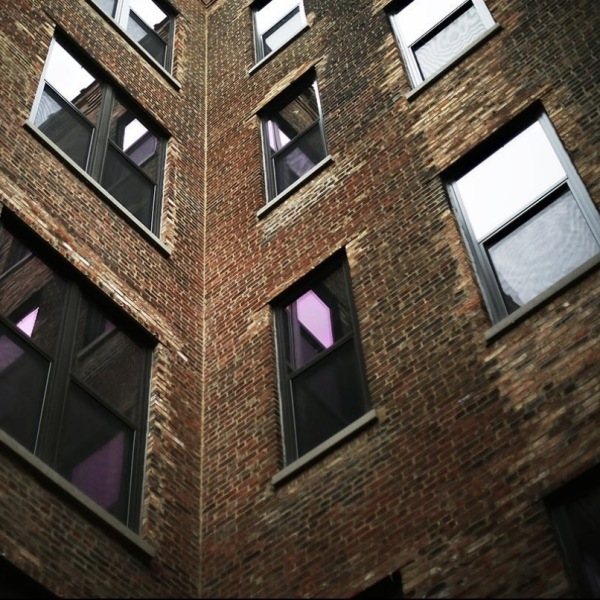
| Exposed Brick | Aesthetic character | Provides the classic "industrial" look highly sought after by creatives. |
| Timber Beams | Structural history | Adds warmth and a historic connection to the building’s past. |
| Natural Lighting | Massive windows | Essential for painters and photographers; provides optimal illumination for creative work. |
Ceiling height is perhaps the most iconic feature of these spaces. Many historic conversions in the city feature ceilings ranging from 12 to 17 feet, which significantly changes the feel of the square footage. However, renters should be aware that these high ceilings and large windows can lead to higher utility costs during Chicago's winter months. Understanding How Much is Rent for a Loft Apartment requires looking beyond the base monthly rate and factoring in the operational costs of heating a large, open volume of air. Additionally, the presence of original timber beams can provide acoustic benefits, dampening sound in a way that modern drywall cannot, which is a significant advantage for musicians and digital media producers.
Common Sizes and Layouts for Artist Workspaces

The layout of an Artist Loft Chicago IL is rarely "cookie-cutter." Instead, these spaces are categorized by their general size and intended use, allowing for a customized approach to urban living:
- Small Artist Lofts (250–500 sq ft): These are often used as quiet, private studios for single tenants. They are ideal for writers, digital artists, or those who need a dedicated space away from home. These units often feature clever built-in storage solutions to maximize the available footprint.
- Medium Lofts (500–1,000 sq ft): These typically accommodate one or two occupants and offer enough room for a substantial studio setup alongside living essentials. The open nature of these layouts allows for the use of modular furniture to redefine the space as needed.
- Large Maker Spaces (1,000+ sq ft): These are the versatile industrial lofts that can handle large-scale equipment, fashion design cutting tables, or woodworking benches. They often include reinforced flooring and upgraded electrical panels to support heavy machinery.
Many buildings in the city's creative corridors offer a massive range of sizes, from small offices to expansive workshops. The flexibility of the floor plan is a major selling point; many lofts use removable partitions or open shelving to define spaces without blocking the flow of light. This adaptability is central to the "Maker Movement," where the line between professional production and personal life is intentionally blurred.
Additional Costs and Lease Considerations

When calculating the total investment required for a loft, there are several logistical factors to consider. Because many artist lofts are located in historic or industrial zones, the operational requirements differ from a standard high-rise apartment building.
- Utilities: As mentioned, the industrial nature of these buildings means that heating and cooling can be more intensive. Renters should inquire if any utilities, like heat or water, are included in the base rate. Modernized lofts may feature updated insulation and HVAC systems that enhance environmental comfort.
- Parking: In neighborhoods like Pilsen or the West Loop, street parking can be competitive. Dedicated parking spots in a building's lot or garage often come with an additional monthly fee. Proximity to the CTA "L" lines can offer direct connectivity to the city's transit network.
- Lease Terms: The creative market often favors flexibility. While many Lofts Chicago for Rent require a standard 12-month lease, some artist-specific buildings offer month-to-month terms to accommodate the dynamic nature of creative projects and professional engagements.
Furthermore, the process of moving into an industrial loft requires planning. The use of freight elevators must often be scheduled in advance, and the oversized nature of many loft units means that standard furniture may look small, while large art pieces require careful maneuvering through historic corridors.
Frequently Asked Questions about Chicago Artist Lofts
What amenities are typically included in Chicago lofts?
Amenities in an artist loft are often geared toward productivity and professional utility. While a modern building might offer a rooftop deck or a gym, a dedicated artist incubator building will prioritize features like heavy-duty freight elevators, 24/7 secure access, and reinforced flooring. Some buildings even offer shared gallery spaces where residents can display their work to the public, fostering a sense of community and professional growth. For a deeper dive into these features, see this Artist Loft Chicago Ultimate Guide.
How do historic lofts compare to modern soft lofts?
"Hard" lofts are true industrial conversions. They feature original elements like concrete floors, exposed ductwork, and timber beams. They offer immense character but may have less soundproofing between units. "Soft" lofts are newer constructions designed to mimic the loft aesthetic. They often include modern conveniences like central HVAC, updated appliances, and better insulation, but they may lack the historic soul of a 100-year-old warehouse. Both styles are popular Loft Rentals in Chicago, depending on whether the renter prioritizes historic charm or modern efficiency. Soft lofts often provide more traditional closet space and defined bedroom areas, whereas hard lofts offer a completely open canvas.
Where are the most prominent artist districts in Chicago?
Pilsen remains the heart of the city's grassroots art scene, particularly the East Pilsen area known as the Chicago Arts District. The West Loop and Fulton Market offer a more polished, high-end loft experience. Garfield Park has emerged as a destination for those seeking larger industrial spaces, while the South Loop offers historic options that have hosted creators for over a century. Each district has its own unique rhythm, from the mural-lined streets of the southwest side to the bustling, tech-heavy corridors of the near west side.
Conclusion
Chicago’s loft market is as diverse as the artists who call it home. From the historic timber-lined halls of Pilsen to the sleek conversions in Fulton Market, these spaces provide the canvas for a unique urban lifestyle. In neighborhoods like Pilsen, the culture is woven into the streets through vibrant murals and community events like the Second Fridays Gallery Night, which draws visitors from across the region to experience local creativity firsthand.
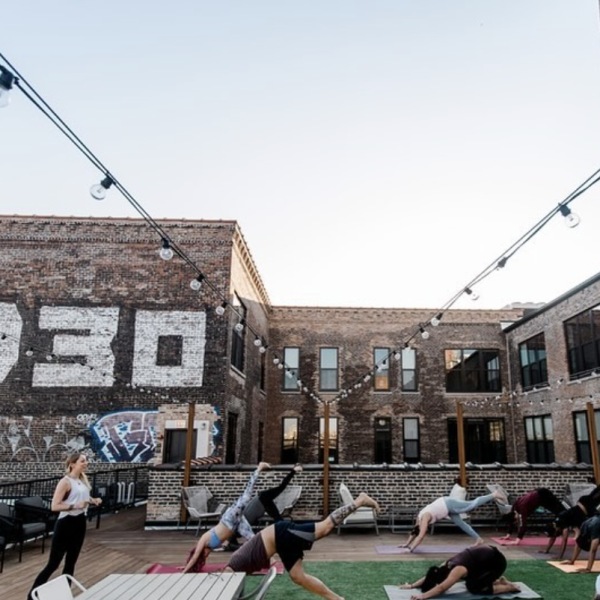
Buildings like THE OTIS by FLATS represent the modern evolution of this lifestyle, offering a blend of historic character and contemporary amenities like rooftop decks and fitness centers. These developments respect the industrial heritage of the neighborhood while providing the modern infrastructure necessary for today's creative professionals. For those ready to find their place in the city's creative landscape, this Chicago Loft Rental Complete Guide provides the necessary roadmap to navigate the market and find a space that truly inspires. Whether the goal is to find a dedicated production studio or a versatile live-work environment, the Chicago loft market continues to be a cornerstone of the city's cultural identity.